
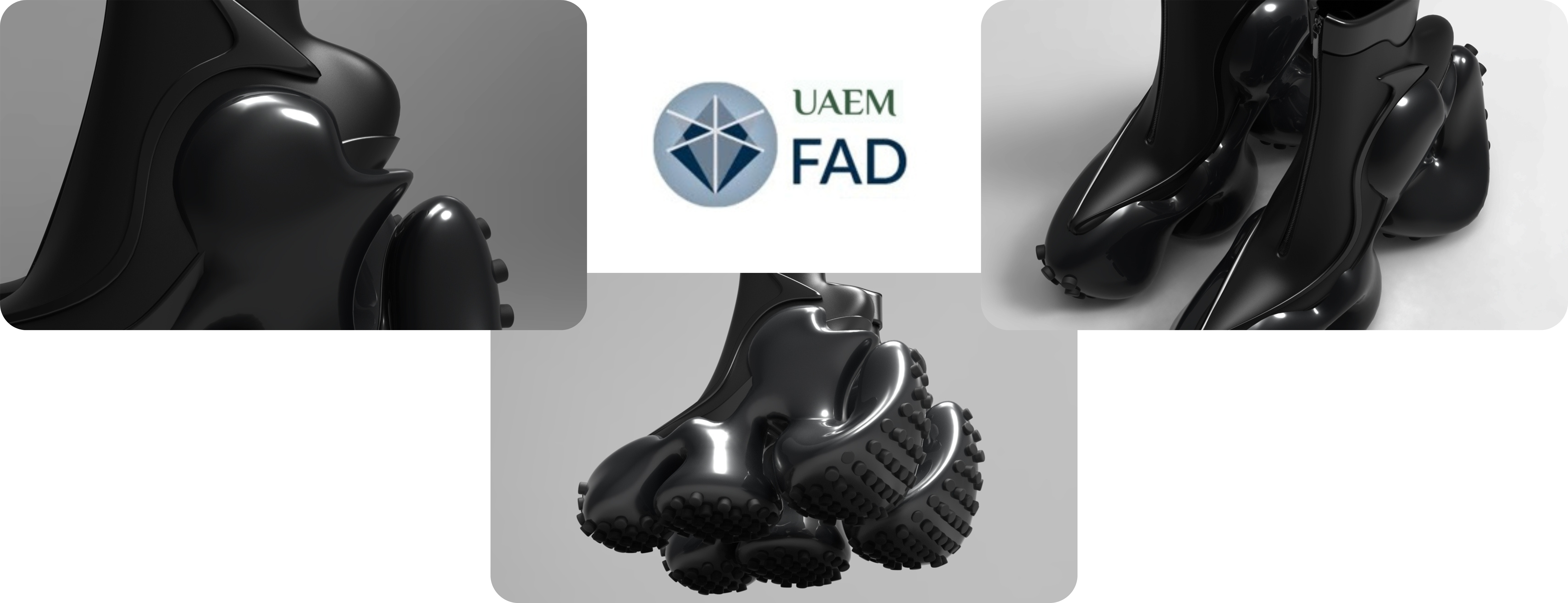
Our conversation with Mario Ramírez Guerrero
Can you tell us about your background? How did you discover your interest in design, and what experiences shaped your journey to where you are today?
From an early age, I have exhibited a profound interest in the accessories utilized in costume design for film, along with a broad appreciation for art, toys, fashion, the animal kingdom’s diversity, drawing, and storytelling. I find great excitement in the concept of designing by merging various shapes, textures, colors, and materials. Specifically, I am drawn to the practice of creating based upon a thematic framework, envisioning how to integrate these elements into a tangible object—one that individuals can wear, thereby making it an integral part of their identity and daily lives.
As an industrial designer, I have discovered that specializing in sneaker design provides me with a unique platform to engage in work that aligns with my passions. This role allows me to leverage my creativity to produce footwear that possesses aesthetic appeal and facilitates individuals in expressing their distinctive style, personality, and essence.
How would you define your personal design philosophy? Has it changed or evolved as you’ve gained more experience?
I perceive my design philosophy as a vast ocean where innovative solutions, ideas, and designs are unearthed from the depths of creativity. This creative abyss is enriched with a plethora of shapes, concepts, compositions, colors, and strategies. Accessing this wealth requires a commitment to fostering a reservoir of culture, knowledge, research, collaboration, resilience, dedication, and continuous learning.
Throughout my professional journey, I have increasingly recognized the critical importance of sustainability in design. As designers, it is our ethical obligation to consider the long-term impact of our work on the environment and to contribute to its preservation and care for future generations actively.
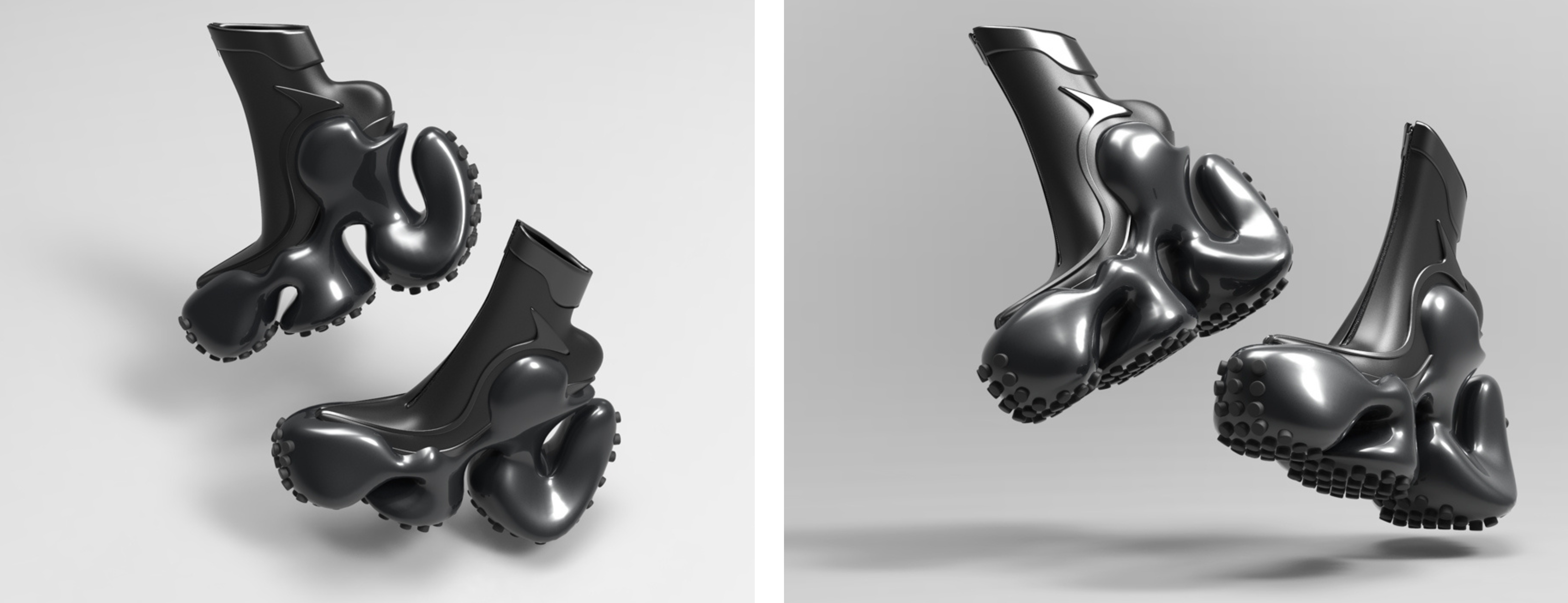
Can you tell us about the vision behind ATLAARS? How did it come to be, and did it suffer changes throughout the design process?
I sought to develop women’s sneakers with platform soles and an unconventional heel. My objective was to innovate in terms of shape and to design a distinctive type of sole, effectively conveying the underlying concept through the overall footwear design.
The appearance of ATLAARS is unconventional; how would you describe it? What is the inspiration behind it?
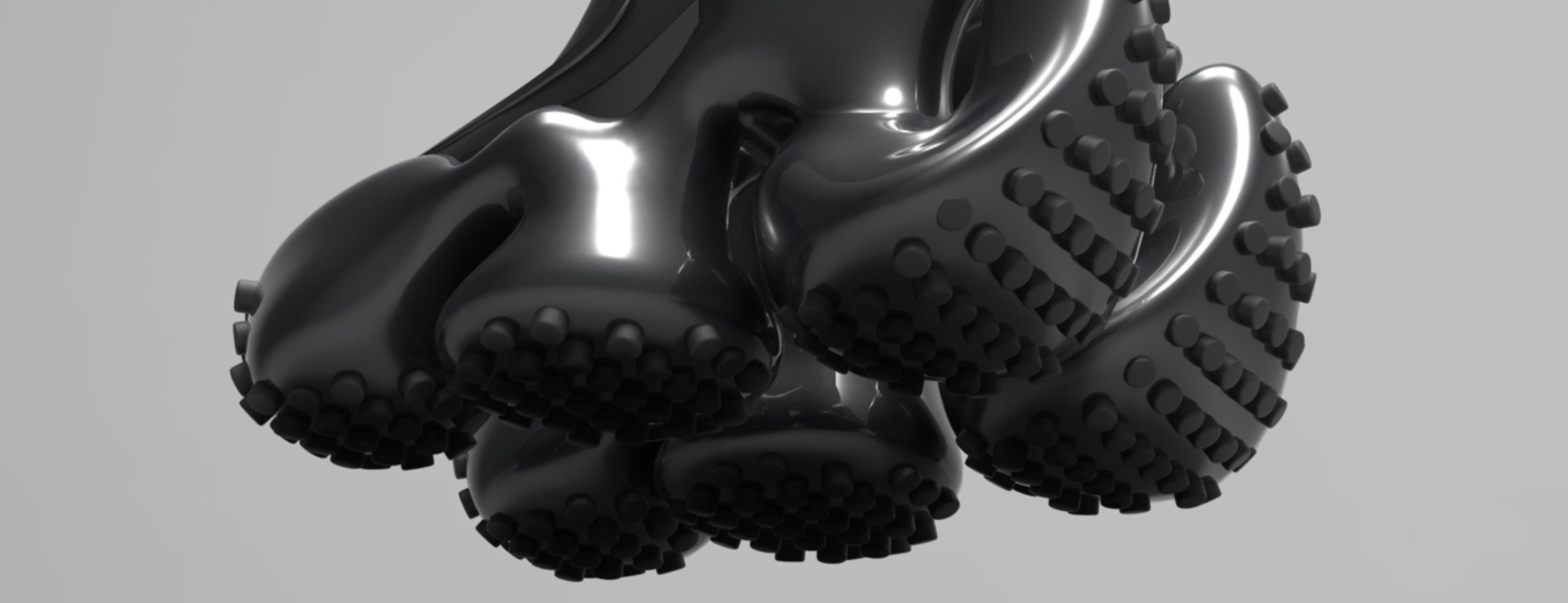
The design of ATLAARS draws inspiration from the fascinating realms of diving and deep-sea exploration, as well as the intricate anatomy of the human brain. These elements come together to create a unique design narrative that is visually striking.
ATLAARS reflects a similar pursuit of innovation and adaptation. The sneakers’ appearance can be described as that of a newly discovered marine species, embodying the beauty and wonder that can only be found in the unexplored depths of the ocean.
Additionally, with its intricate structure and myriad functions, the human brain is a metaphor for creativity and thought processes in design. The brain’s ability to generate ideas, make connections, and adapt to added information is mirrored in the way design evolves through exploration and experimentation. Just as divers navigate the complexities of the underwater world, designers delve into a sea of possibilities, drawing inspiration from the unknown to create something unique.
The ATLAARS sneakers stand as a testament to the power of exploration in nature and the creative process. They invite wearers to embrace their journeys, encouraging personal expression and a deeper connection to the world around them.
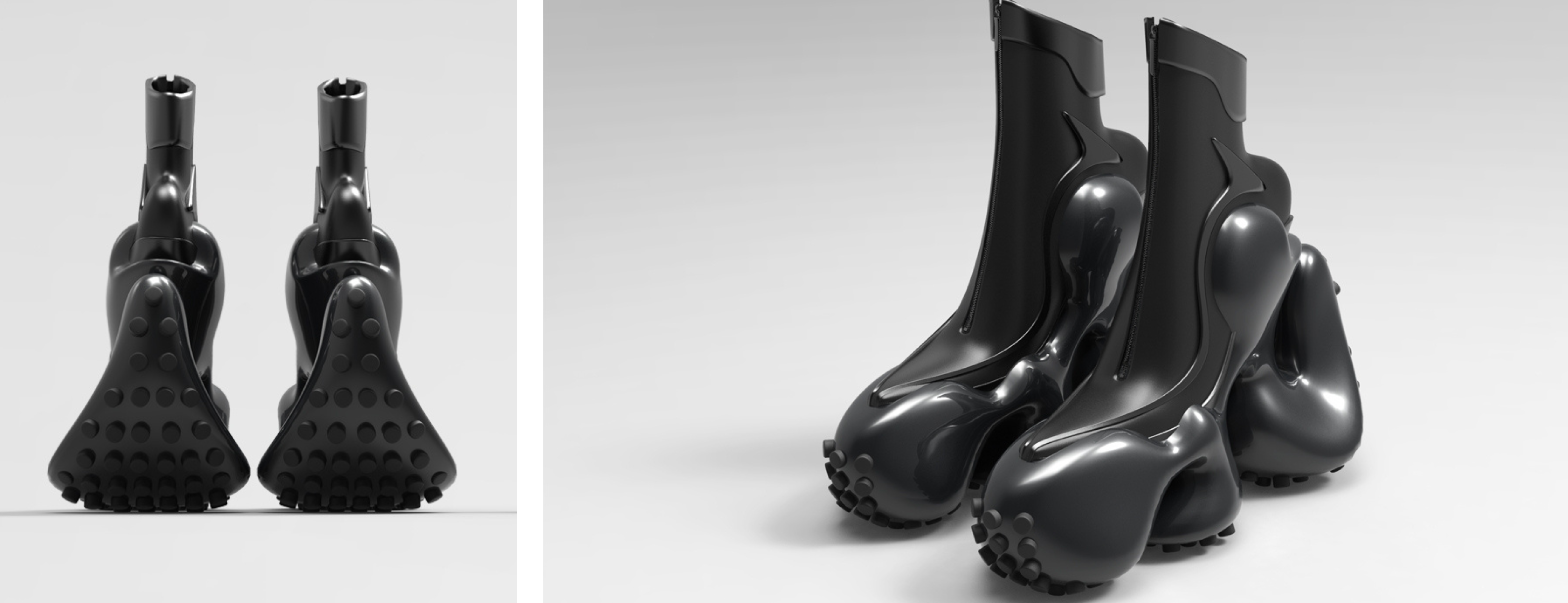
How did you select the materials for ATLAARS? Were there specific qualities you wanted to align with the design concept?
When selecting materials for the sneakers, my goal was to create a design that was both innovative and fashion-forward. I focused on lightweight, breathable fabrics for comfort and premium finishes to enhance the overall aesthetic.
I aimed for versatility, allowing the sneakers to transition from casual street style to polished looks for events like Fashion Week or red carpets. This adaptability ensures they meet the diverse needs of various occasions.
The design process was flexible; while I initially envisioned bold colors and textures, I later shifted to more understated, timeless elements. This evolution emphasizes the balance between personal expression and the demands of different fashion environments.
Can you walk us through the ATLAARS design process, from initial sketches to the final prototype?
The design process behind ATLAARS began with a clear design concept, where I focused on research related to shapes and materials. To ensure a cohesive direction, I compiled a mood board for visual inspiration. From there, I moved on to sketching initial designs, carefully evaluating each one against my established criteria to find the most promising options. This process was followed by creating digital prototypes, which led to the development of the final model and render.
Can you tell us about some challenges you faced while developing ATLAARS? How did you solve them?
In developing ATLAARS, I explored sole shapes that resonated with my design vision and inspirations, creating a platform that diverges from traditional standards while ensuring manufacturability. Although I considered a more audacious design with a higher platform, I prioritized usability as a fundamental element of the design.
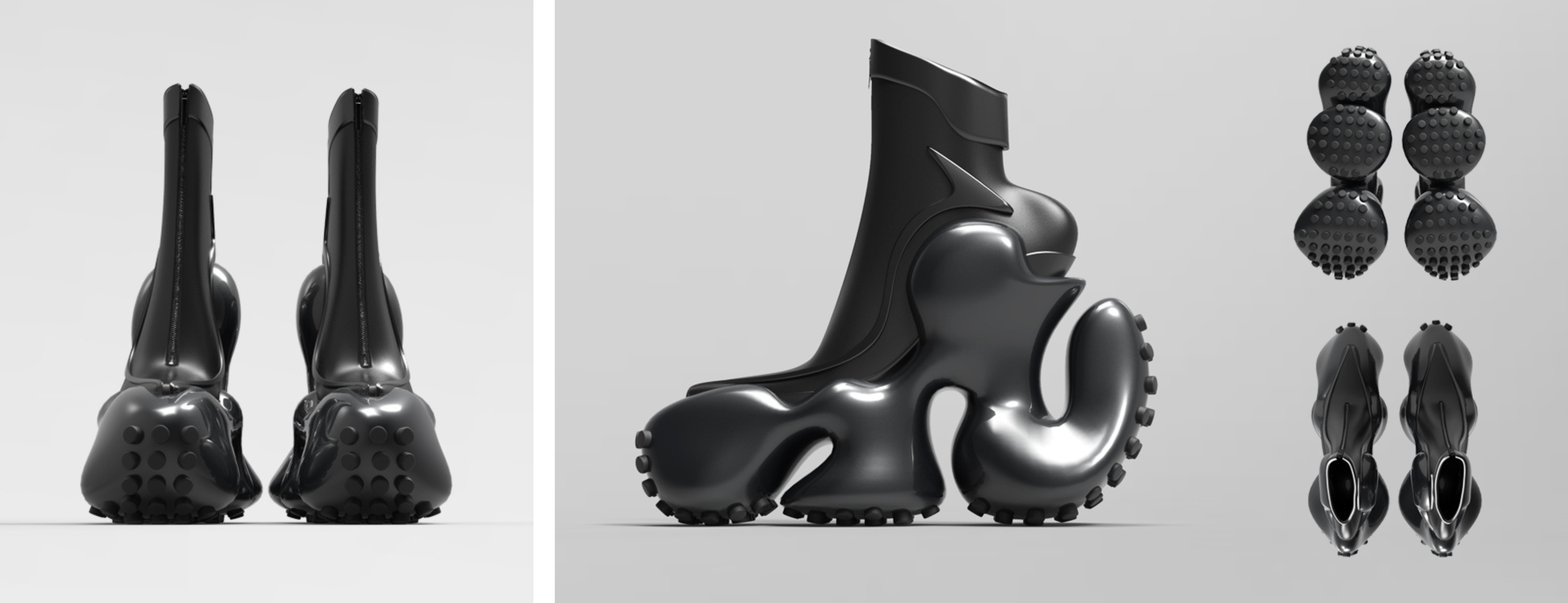
Do you think being a student gave you any specific challenges or advantages when designing ATLAARS?
As a student with limited experience in the footwear industry, I faced challenges in designing with production and market feasibility in mind. However, I benefited from the creative freedom to explore my ideas without the constraints of corporate requirements, enabling me to realize my vision and achieve the desired outcome fully.
Congratulations on being the overall winner of Fashion Sneakers at the GFA Awards! What does this recognition mean for you, both personally and professionally?
I am incredibly grateful for this recognition, as it embodies my passion and love for what I do. This acknowledgment signifies personal and academic growth—an achievement in my journey as a student. It motivates and inspires me to pursue my passion with even more extraordinary dedication, reminding me that hard work and resilience can lead to rewarding opportunities.
What do you envision for your future? Are there specific areas within footwear or fashion design that you’re eager to explore?
I envision a future where I specialize in footwear design, focusing on innovation and sustainability. My goal is to create comfortable and functional designs that influence the evolution of fashion and footwear. I am excited about emerging materials, storytelling, and fashion and eager to explore their potential to drive creativity.
What inspired you to enter the footwear design industry? Was there a particular moment or influence that made you want to specialise in such an art form?
I’ve always enjoyed creating with a clear purpose, so pursuing design was a relatively straightforward path. My background is in industrial and graphic design, but over time, I found myself missing the hands-on aspect of making. When I first came across shoemaking, I was immediately captivated—it’s such a fascinating object with a rich history, yet something we interact with intimately every day. It felt like the perfect form of expression, so I decided to shift all my
attention there. It’s a wonderful blend of design and craft, bringing both creativity and tradition together.
How would you describe your approach to design, and has it changed over time?
My approach to design is largely narrative-driven, paired with a desire to experiment with form and technique. The narrative acts as the foundation, shaping the tone and direction of each project. From there, I draw on my background in industrial design and shoemaking techniques to create my
footwear. Over time, I’ve become more drawn to intimate, personal stories rather than grand, overarching themes. Whether capturing a joyful moment or a poignant one, the goal is to create something compelling and evocative.
Your winning design explores “disorienting transition” and the moment of disruption. Could you expand on this idea?
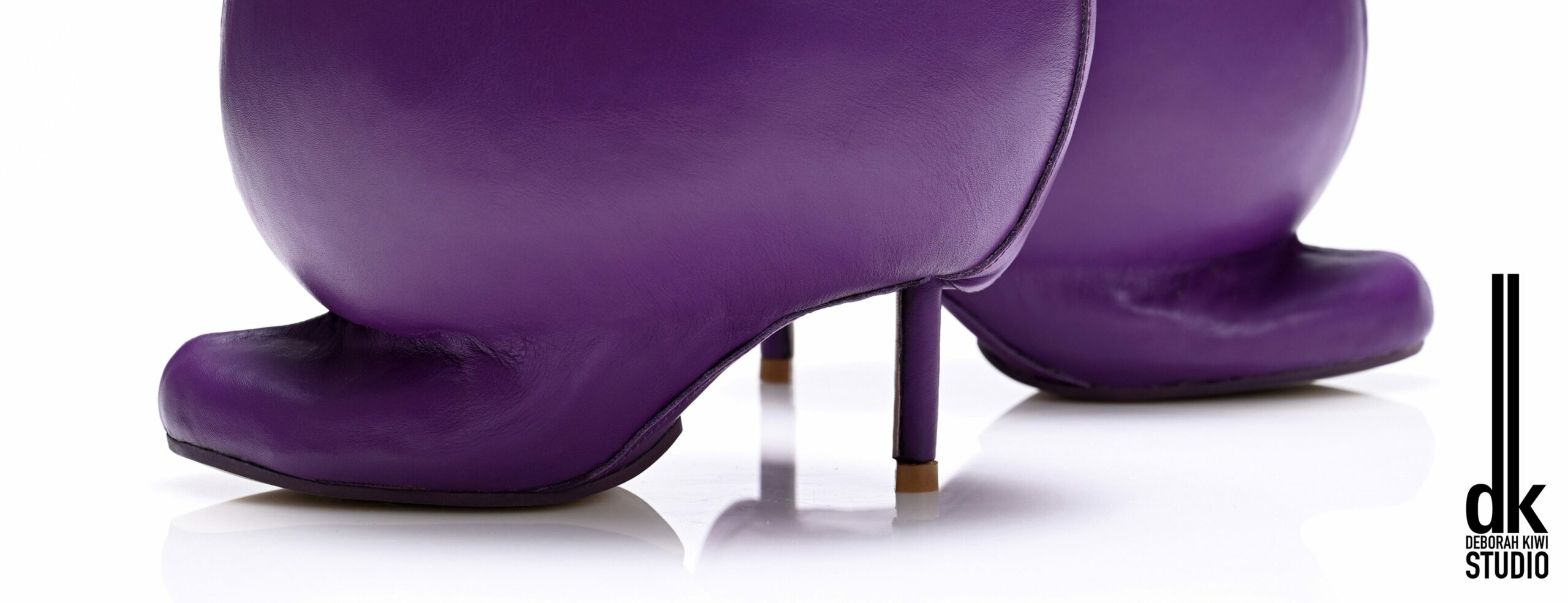
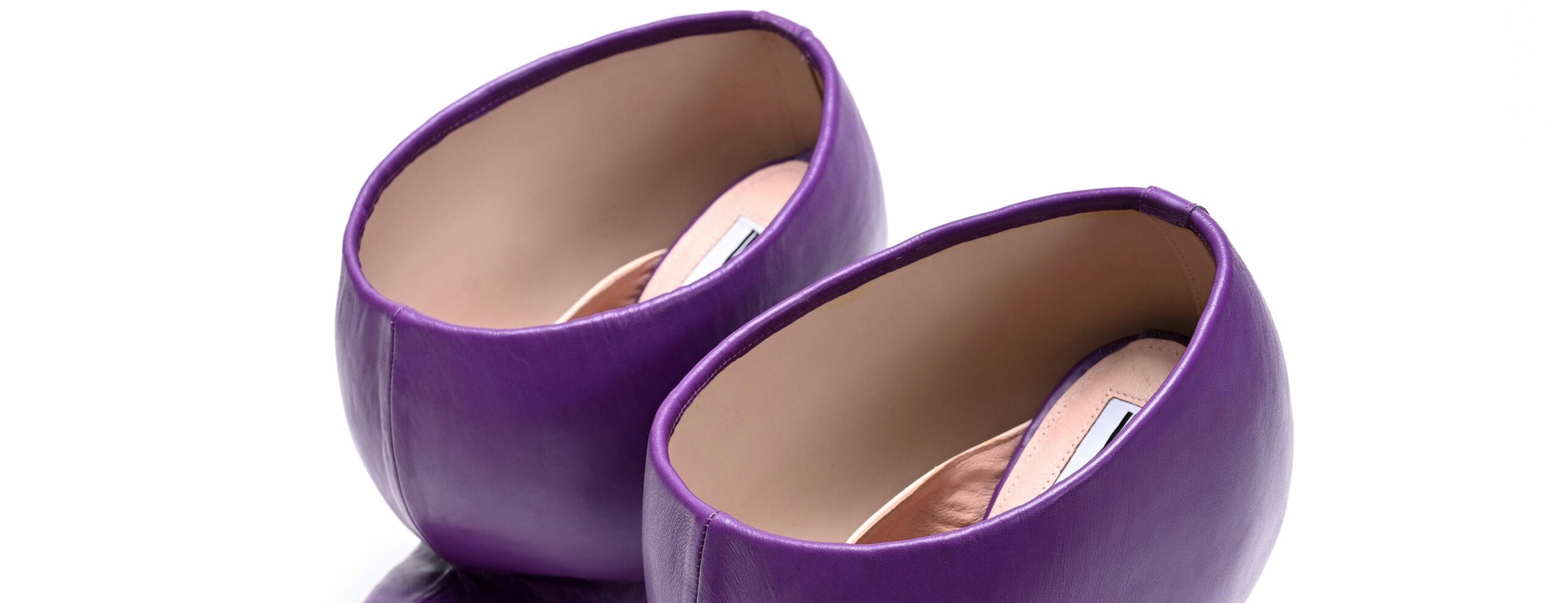
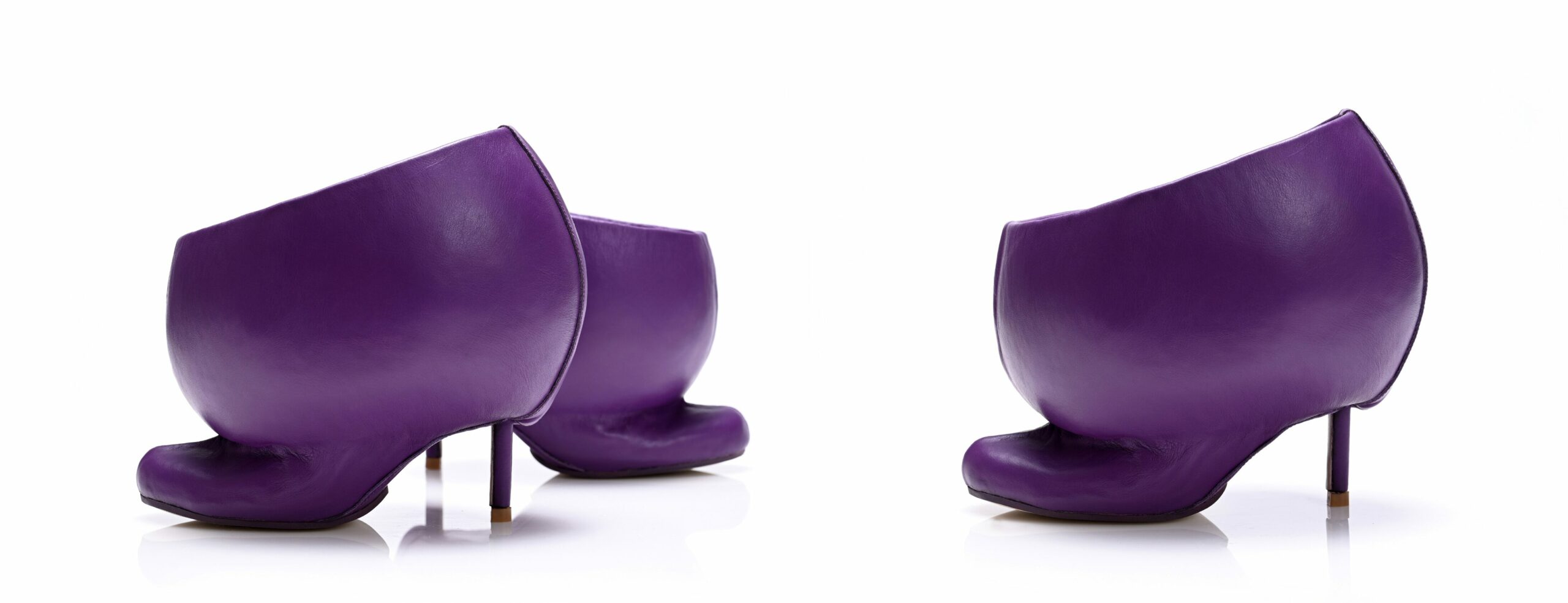
With this design, I aimed to express an unsettling moment of intense change and impact. The familiar base, which grounds the design, transitions into an abstract form that interrupts the look of traditional footwear. From there, the shape is devoid of conventional shoe-like features. This represents the new and obscure reality. To enhance the unconventional form and exaggerated volume, I chose a monochromatic colour palette, emphasizing the starkness of this transformation. Despite the avant-garde appearance of this shoe, an internal mule structure ensures the design is fully functional.
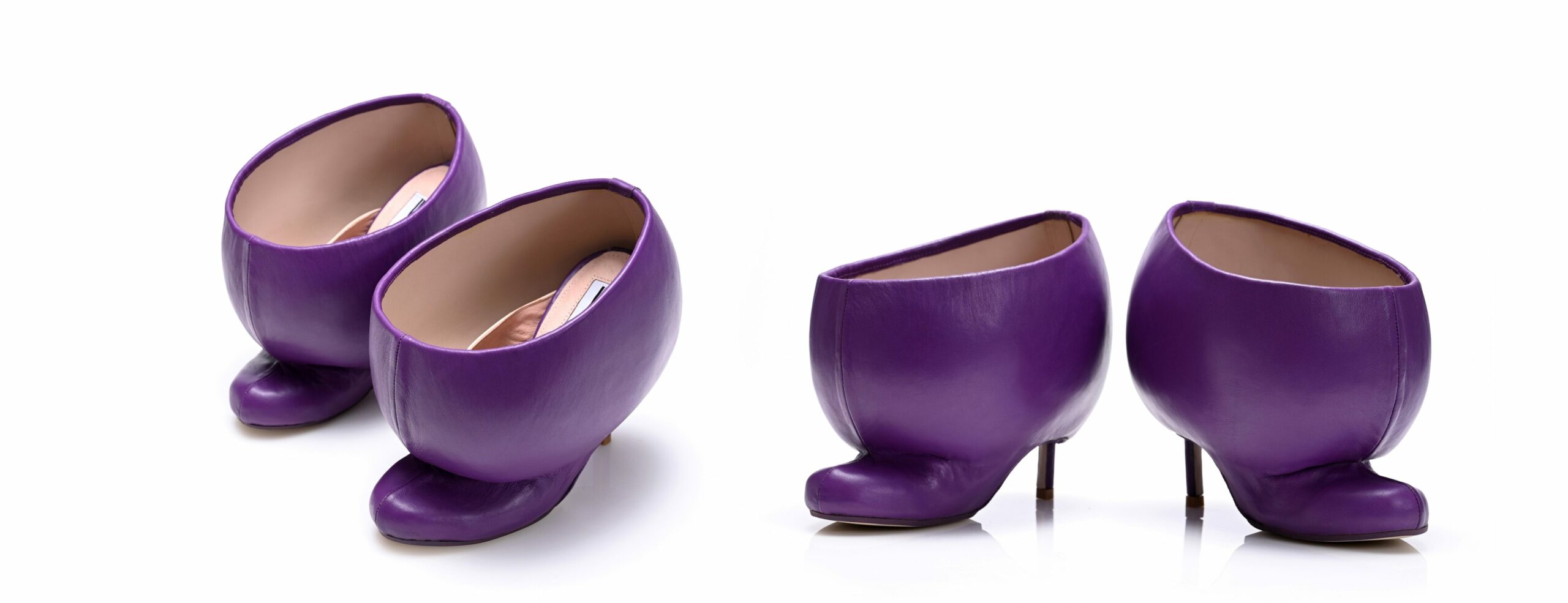
Your design is an avant-garde yet functional mule structure. How do you decide where to draw the line between art and functionality?
Art and design have many overlapping qualities, but an important distinction for me is that design provides answers, while art asks questions. Though I see myself as a designer first and foremost, I find that blurring these lines often leads to exciting new perspectives. My framework is simple: every piece must be wearable. From there, I allow myself a lot of artistic freedom to create visually impactful footwear.
Can you share what the Surreal represents to you personally and creatively? How does it fit within your wider body of work?
A lot of elements came together in this piece. I loved the design from the very beginning; it felt like the right way to express a complicated time without it feeling bleak or heavy. To me, it strikes a fine balance between intention, artistic abstraction, and an impactful silhouette.
Then there was the technical challenge of crafting the pair. This involved extensive experimentation and problem-solving, making the successful outcome all the more satisfying. In the end, the combination of these stages transformed this project into something very meaningful, and it feels like a defining piece in my body of work so far.
How has your background in industrial design influenced the way you think about and create footwear?
My background in industrial design informs many aspects of my creative process. It shapes how I view form and silhouette—not just of the shoe itself, but also how it impacts its wearer, sometimes distorting the body and challenging conventional notions of beauty. As all my footwear is handmade, I often employ crossover techniques that combine my industrial design experience with the traditional craft of shoemaking. This enables me to move away from ready-made solutions and to manipulate shapes in both the heel and the upper.
Are there specific materials, techniques, or technologies that you find yourself drawn to in your work?
Many of my designs feature deviations from traditional ready-made solutions. I’ve previously incorporated textile design and upcycling techniques, and more recently, I’ve been integrating moulding and casting methods into my work, particularly for custom-designed heels or last adjustments. For example, the Surreal shoe involved a two-part process: first, creating a custom mould for the spherical shape, then applying traditional shoemaking techniques, while ensuring all that volume remained secure and wearable.
Congratulations on winning the GFA Awards! How does it feel to be recognised, and what does it mean for your work moving forward?
The GFA has always been a platform I look to for what’s next in the footwear industry, and to be part of that story is truly exciting. I am incredibly honoured by both the recognition and support I have received from the GFA. It’s a wonderful feeling to have my work highlighted alongside so many other stunning and inspiring designs.
How do you see your work evolving, and what changes do you hope to see within the design landscape?
As new technologies emerge, much of our work will revolve around integrating innovation. It is my hope that we will strike a balance, choosing thoughtfully where to incorporate these advancements. I believe that art, much like music, is a profound expression of human emotion and hope that there will always be room for beautifully crafted, uniquely designed tactile pieces that carry a sense of human touch and individuality. So we will stay committed to preserving a long, rich history of craft while embracing the many wonderful new techniques that will shape the future of design.
Can you tell us a bit about your background? Why did you decide to follow design as a career?
From a young age, I found myself balancing a passion for both storytelling and sports. I’d push the limits of my school’s dress code with wild, colorful sneakers that I could still play soccer in during recess and write comic books for my classmates to keep them entertained. When I first attended the University of Wisconsin–Madison, my goal was to write and direct films, but I quickly realized I wanted something more active—an outlet that combined my love of creating inspiring stories with the joy of motivating others to feel empowered as they moved through life. Footwear design became the perfect medium for me. I was fascinated by tiny details—like how impossibly light Messi’s adizero boots were, the subtle textures on CR7’s Mercurials, or even the simple red slashes on Kobe’s Bruce Lee 5s—and how those elements told bigger stories. Especially in moments like Nike’s World Cup commercials, I can still remember how iconic footwear embodied the perfect blend of storytelling and innovation for my friends and me. That rediscovery of my passions set me on the path toward footwear design and ultimately led me to the University of Oregon to refine my craft and continue blending the worlds of creativity, sport, and storytelling.
What is your personal design philosophy? Did your work on elevé help refine it, or did it change it a bit?
My personal design philosophy involves inspiring individuals to own their stories. The phrase is an offshoot of one of my favorite ideas, “one who has a why can bear almost any how,” because they both recontextualize the obstacles we face in our lives not as setbacks but rather as opportunities to help us reflect and redefine our purpose. I think that by embracing the journey over the destination and by fueling that journey with proper prayer and contemplation, our lives and the people in them overflow with meaning and joy.
Further, by trusting in my own journey, I feel like I can better empathize with others and their journeys as well, and hopefully, when people view my work, they feel that sense of purpose in their own lives.
In this, elevé helped me refine this goal because it allowed me to listen to a story that I never thought I would get to hear. While initially unfamiliar with the struggles ballet dancers go through, I think that elevé allowed me to embrace my own ignorance not as something to be ashamed of but as an opportunity to learn and grow.
What inspired you to create such high-performance ballet shoes? Was it influenced by personal experience, or did the idea come from another perspective?
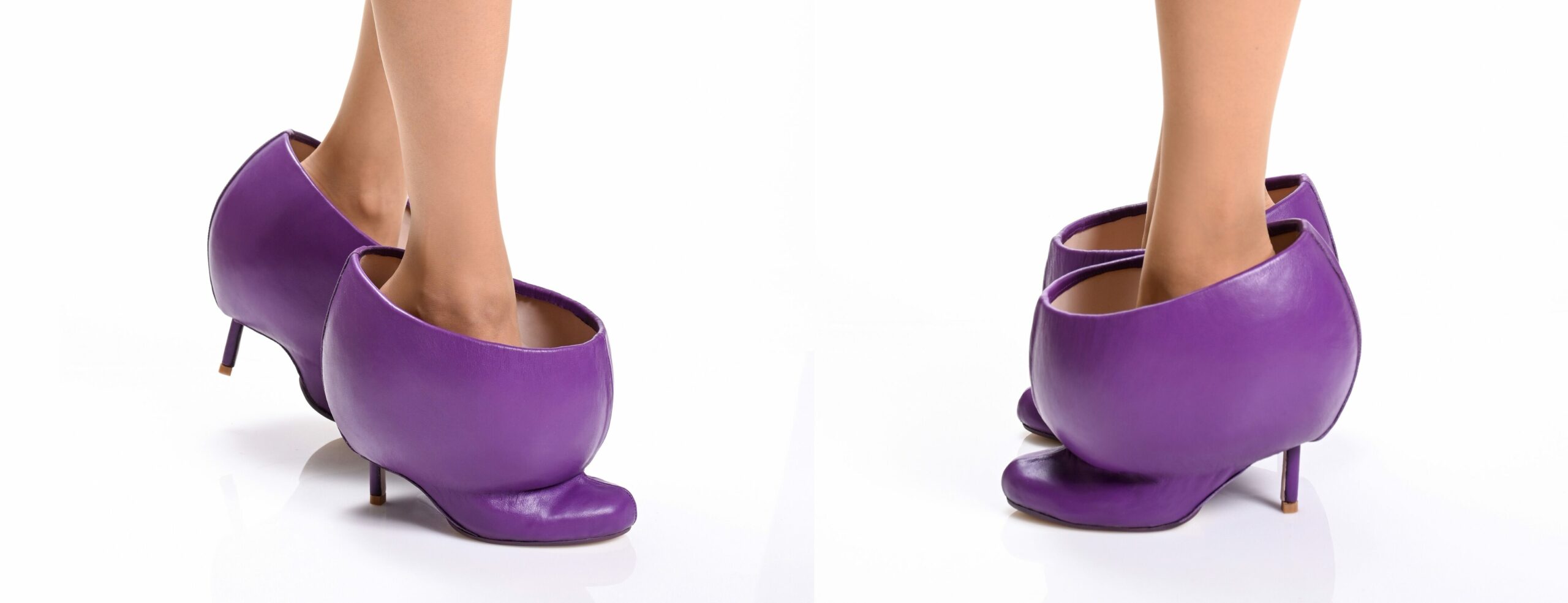
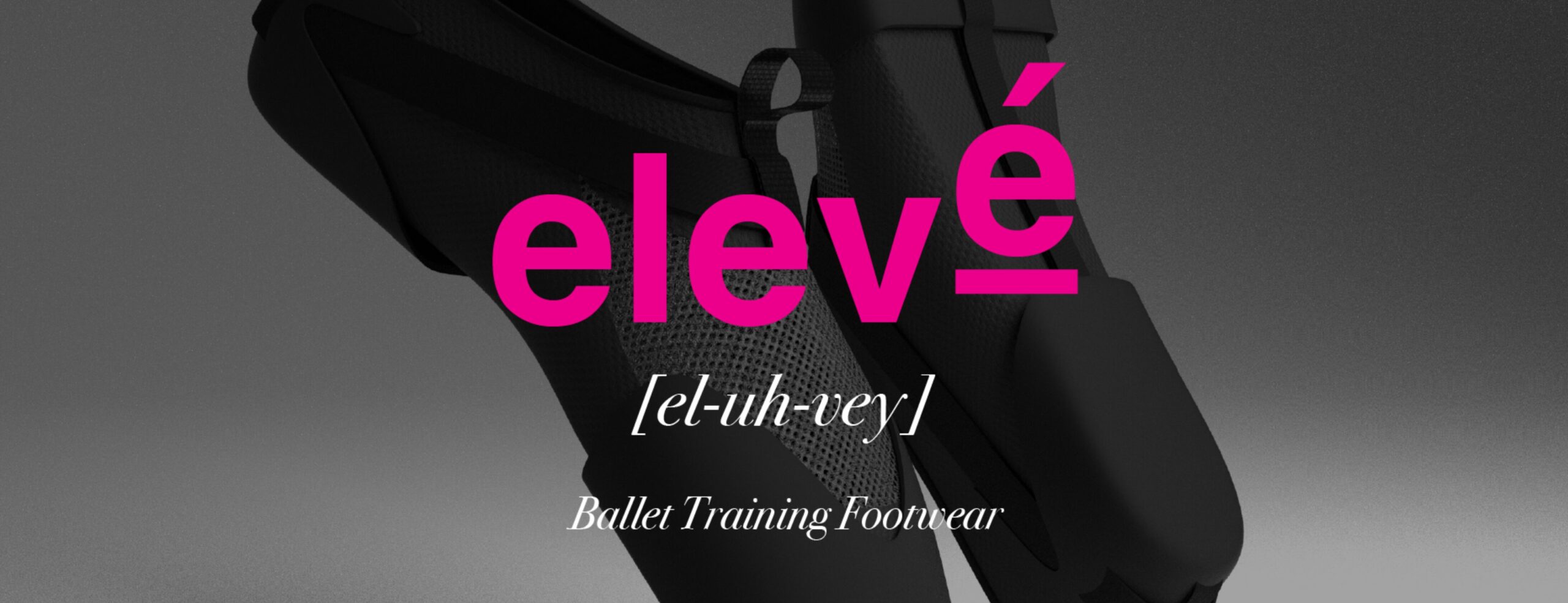
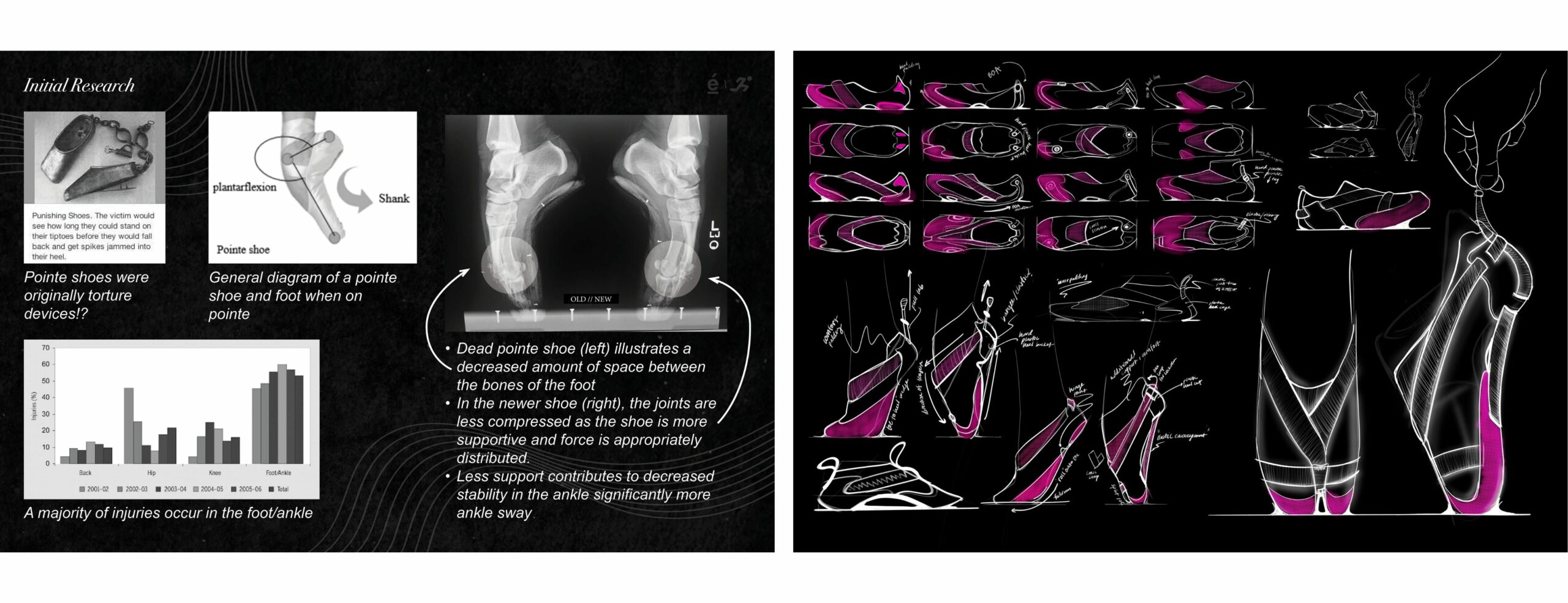
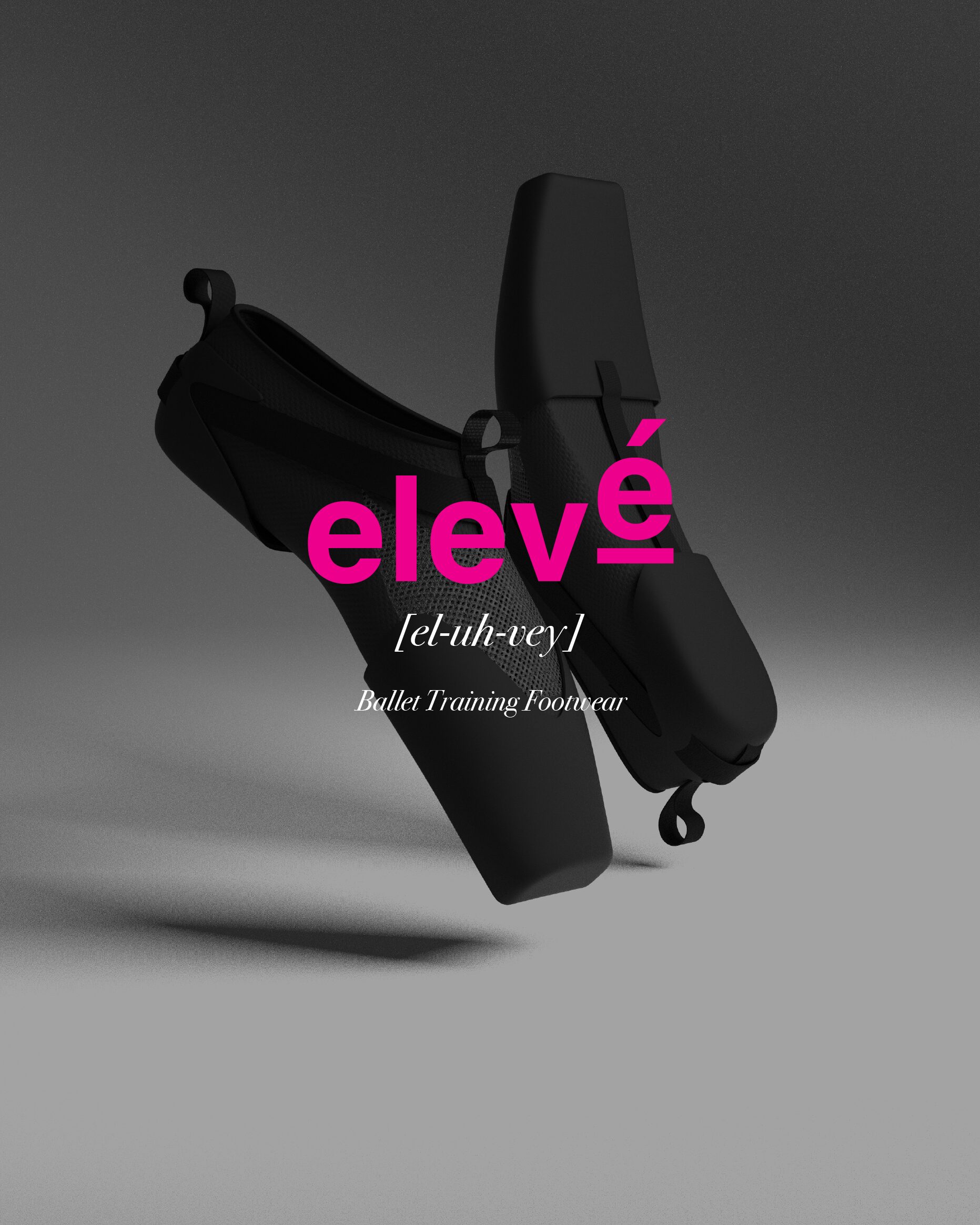
Elevé honestly came from having good friends in the ballet industry, and also entering into their world with a genuine curiosity. While it began as a simple three-week school project, it allowed me to recognize that many dancers felt underserved in terms of footwear innovation. My goal was to create something both inspiring and functional—shoes that addressed their unique needs, elevated their performance, and honored the artistry of ballet.
What makes the elevé different from other ballet shoes out there?
I think that what makes elevé different is not only the technical aspects of tension, beauty, and form that pays homage to its athletes but also the potential for ballet streetwear or athletic wear to take off in its subtle yet distinct style. I think what I love most about elevé is that it mimics its athletes, creating an inspiring balance of elegance and athleticism.
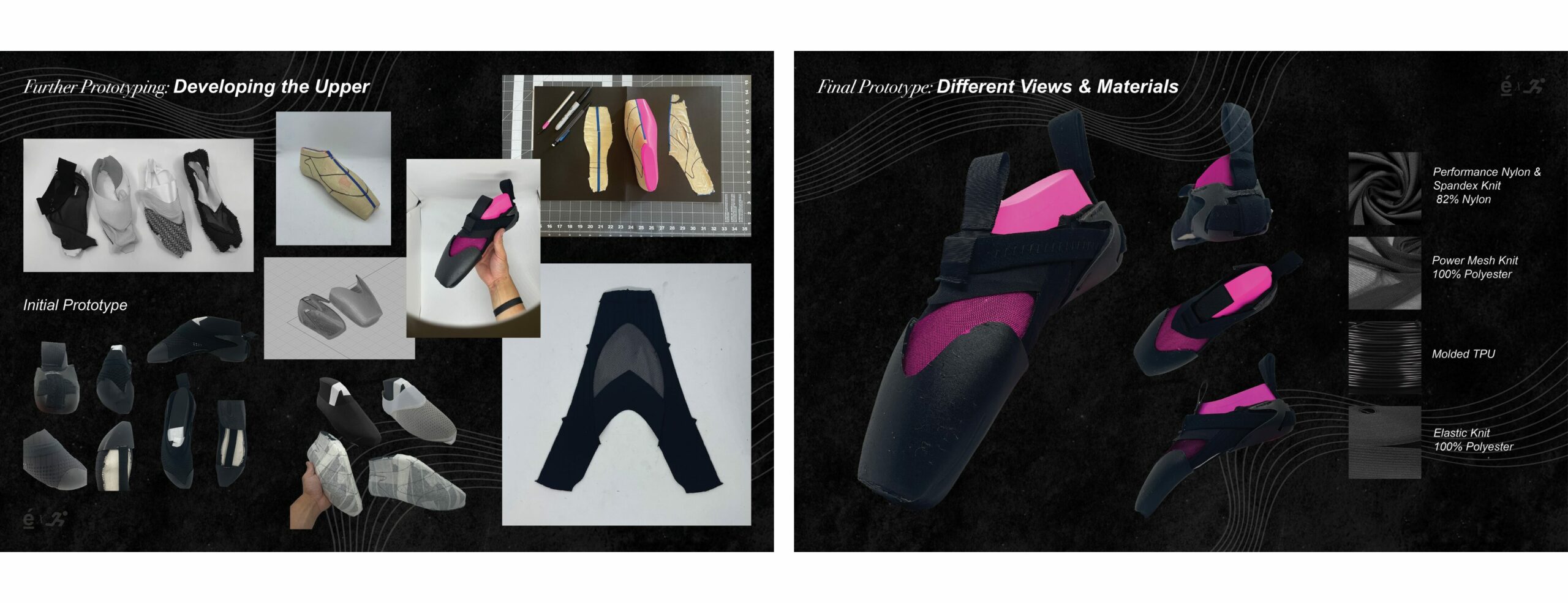
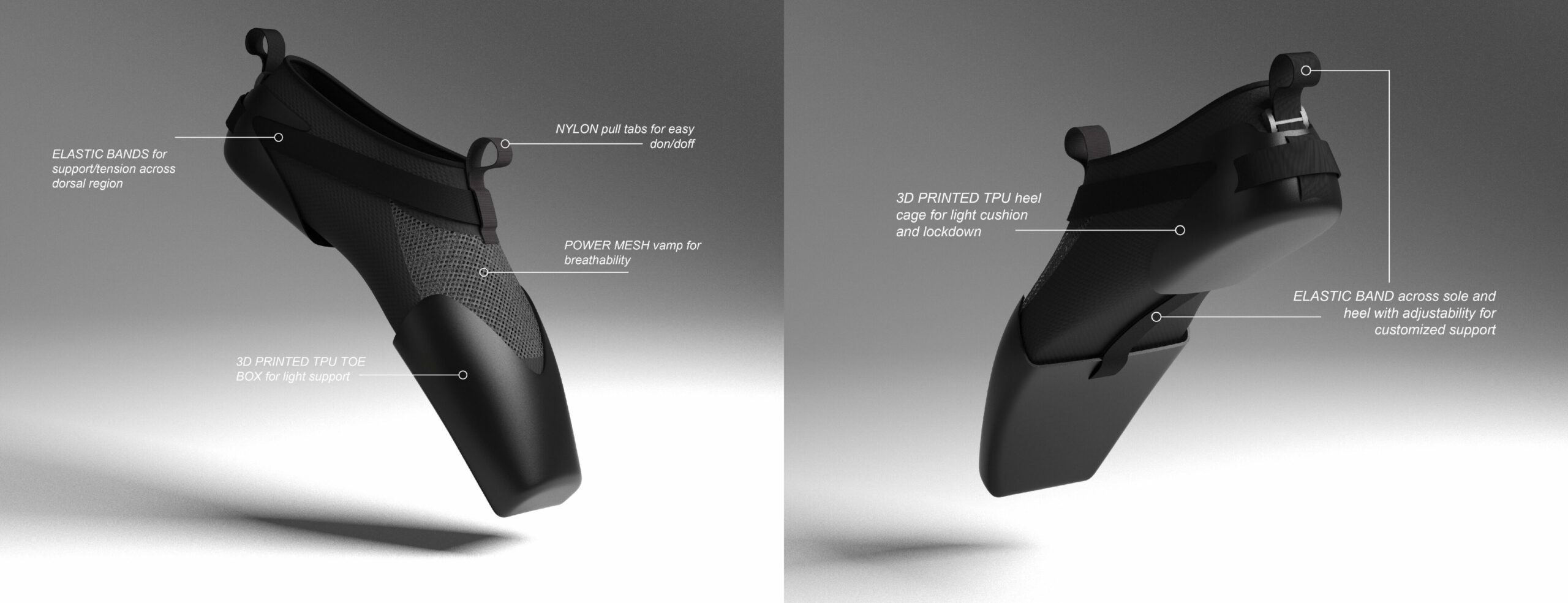
Can you tell us about your choice of materials? Why did you choose TPU for the toe and heel cages, and what benefits does this material bring?
In terms of materials, elevé embodies a modern take on a historical silhouette. By incorporating comfortable and high-performance elements into a form that has roots in medieval torture devices (I was shocked when I learned that!), it was a change that I felt empowered dancers who deserve to feel refined yet energized by their footwear.
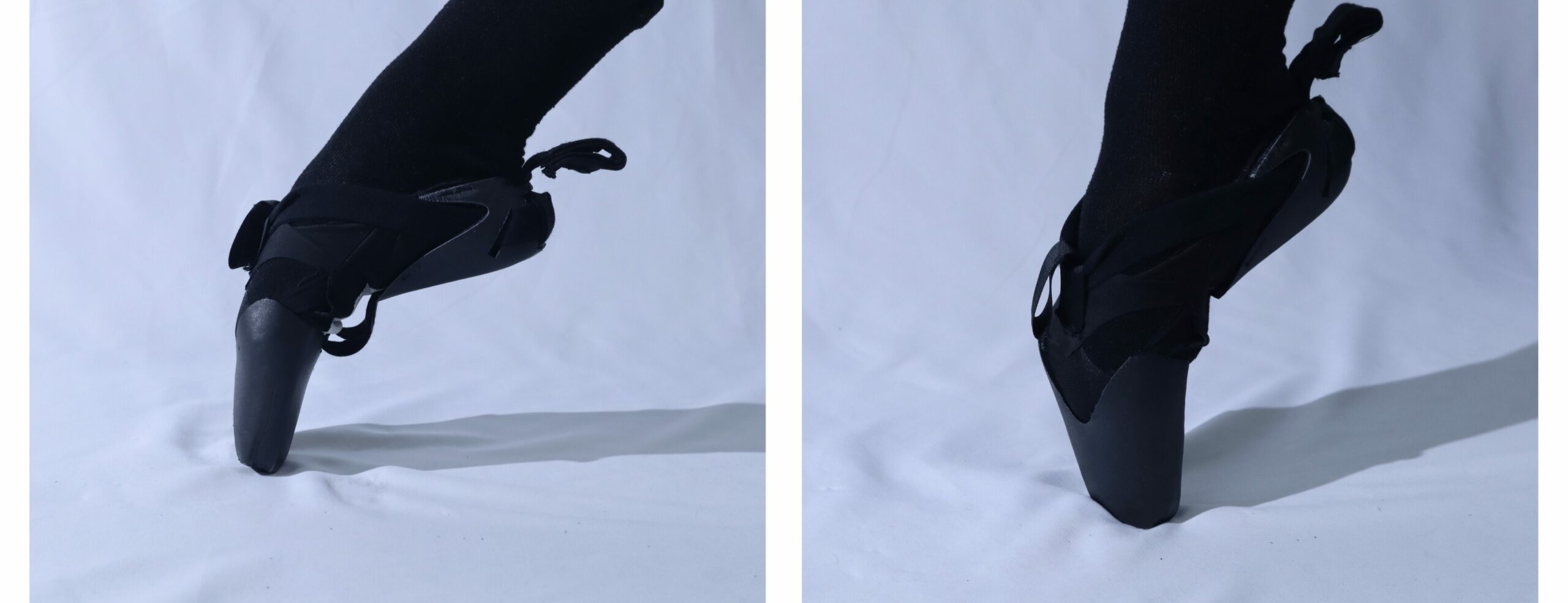
Have you received any feedback from ballet dancers who have tested elevé? What insights or reactions did they share?
Yeah! Although I am not sure that my prototype is market-ready yet, the feedback behind elevé has been overwhelmingly positive. I think that because the design was informed by ballet dancers, elevé speaks for itself.
Working on elevé must have given you moments of discovery and struggle, can you share a particularly memorable one?
For me, the most difficult part of the journey was creating something that felt technically sound. Even still, I have a lot to learn about the biomechanics of ballet, and I hope elevé can embody the beauty of innovation even if it is still a work in progress.
Congratulations on your multiple wins at the GFA Awards! As a student designer, what advice would you give to others looking to make a mark in such a competitive field?
Wow, I totally feel like I am still a student in this world, but my advice would be to listen first and design second. Beginning with empathy not only grounds your work, but also unlocks a certain magic that only emerges when you’re willing to be curious. In my opinion, designers are not doctors; simply prescribing solutions, but rather collaborators who create solutions by continually being brave enough to embrace the unknown.
What are your aspirations for the future, both in terms of personal projects and how you see the footwear or performance design industry evolving?
In the future, my goal is for my work to help people embrace their own stories. Whether that be in big moments in the gym or on the stage, or in quieter ones at church or in the workplace, I believe that meaning comes from believing in ourselves enough to be vulnerable and connect with those around us. I see these values mirrored more and more in the footwear industry, especially in campaigns that spotlight niche athletes with powerful stories and in how manufacturing processes are gradually shifting toward meaningful quality over sheer quantity.
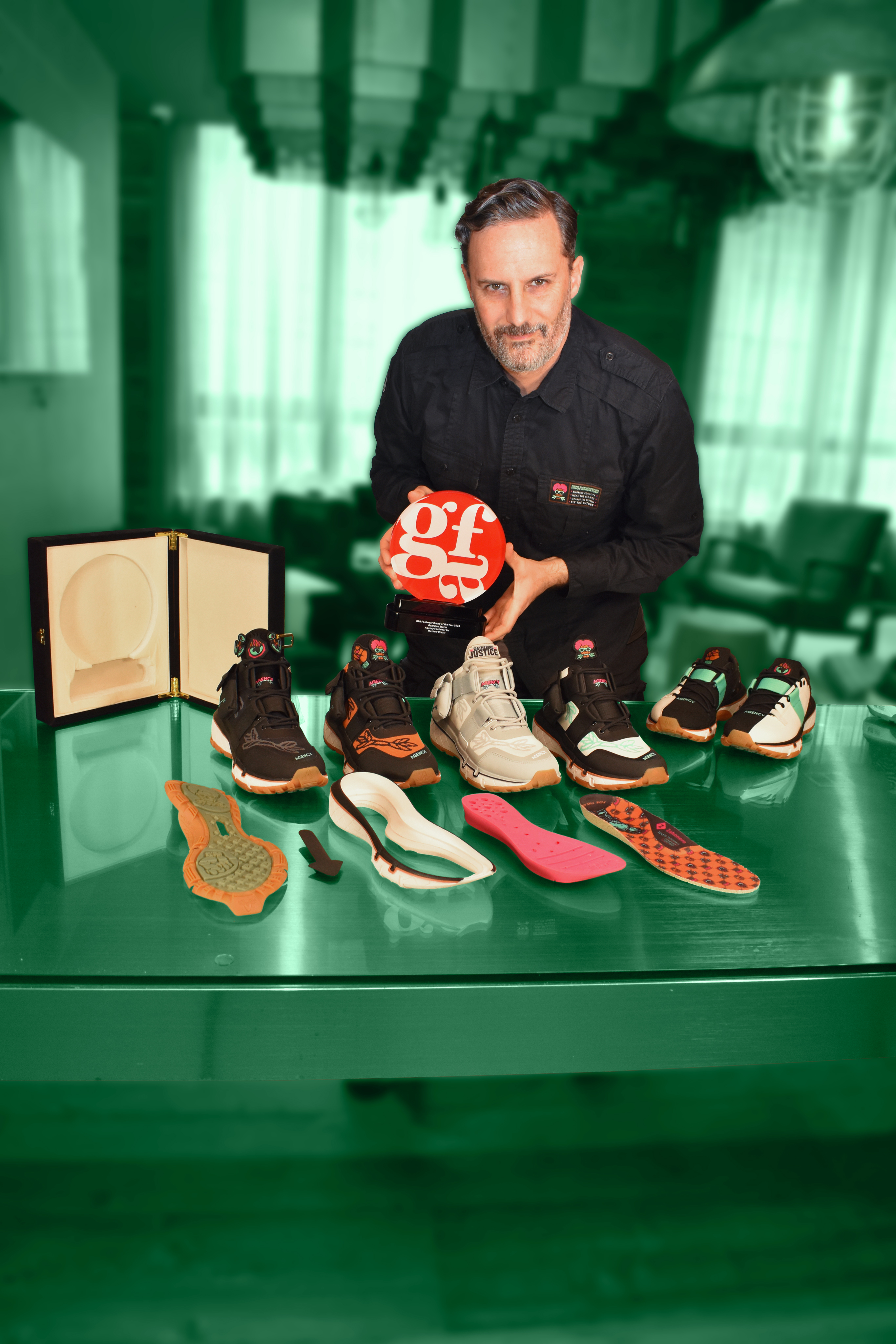
Can you tell us a bit about your background? How did you create the Agency, and what shaped your vision for the brand?
I actually had a somewhat traumatic childhood in the working-class suburbs of Seattle, in a state I didn’t realize was 95% white and named after a lionized enslaver. But it wasn’t all bad. I attended a surprisingly multi-cultural high school in a district that had great vocational programs where I studied graphic design and architecture for 4 hours a day, my entire senior year. That’s when the dream of playing pro soccer faded, and instead, I competed on the traveling graphic design team. After learning architecture was a saturated field, I attended a small state university 20 minutes from Canada to study industrial design, where I created a 3rd year independent study in footwear design. After that, my professor helped me get an internship at Converse in Boston, where I completed the blueprint for Dennis Rodman’s first signature shoe.
Simultaneously, I had a kid on the way, so I abandoned my education and got my first real job working for Michael Rubin in 1996 in King of Prussia, Pennsylvania. I designed Karl Malone’s Apex signature shoe at 21 years old when he was the league MVP, then went to work under 4 powerhouse women from Nike and Adidas as they rebuilt Rykä at a satellite office in Portland, OR. Next was New Balance back in Boston and Diesel in Santa Barbara, where I excelled creatively but felt demotivated by the predatory nature of business. So, at the end of 2005, I chose to work with a friend and former lead designer at NB in Milwaukee, WI, to help transition a heritage dress shoe company from a reactive business model to a proactive one where design could lead the way. That’s where I learned just how difficult culture change can be while also inadvertently undermining my career path with the big brands.
During my career, I consistently volunteered in underserved communities as well, which is where I saw the massive disparity in resources America allocates to various regions. Such as when I mentored foster youth in Los Angeles to help them improve in reading and mathematics while I worked for a company whose main client was Target.
The vision for AGENCY comes from my personal experience working to end a cycle of generational trauma, combined with my professional answer to the question: “How can a brand justify selling $200 sneakers to foster kids on welfare?” Apparently, for some companies, the answer is to help them become better ball players, but for me, the answer is only if the company uses every resource available to create a better future for all children. That’s why it says “for the kids” on the right footbed of every shoe under a drawing of my daughter when she was 3.
I created AGENCY by first-hand drawing iconography in support of the design ethos, “Inspired by and Designed for Everyone Helping the World: Embrace Equality, Heal the Planet, and Change the System to Fix the Future.” One of the biggest challenges has been turning “a better future for all children” into an immediately understandable brand identity. It required a lot of research on the history of social change, and reading Frantz Fanon is where I connected with the legacy of those who came before me through his use of the word “agency.” After that, it was a matter of learning the patent and trademark system, along with business documentation.
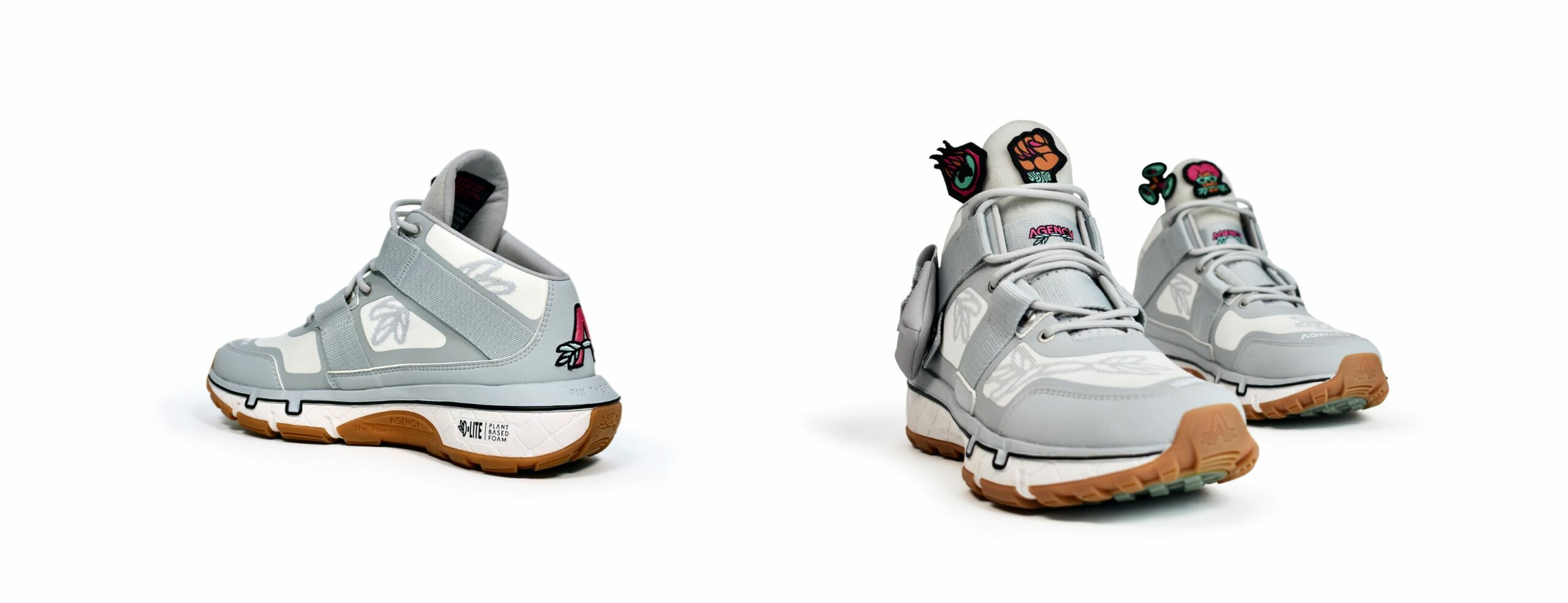
What would you say is your personal design philosophy? Has this philosophy influenced Agency Footwear’s approach to creating products with a deeper purpose, like the Guardian sneaker?
As someone who tried to innovate at every design review only to be shot down hundreds of times by sensible businesspeople, I developed a philosophy of “unique but familiar” that’s allowed me to design creative products with the potential to sell in volume. It also helped me shape the AGENCY Guardian into a wearable silhouette with unique features, such as the dynamic Mid-Foot Strap that I’m trying to patent.
The deeper purpose of the shoes comes from who they’re designed for and the understanding that social change is typically sparked when marginalized people are forced to become activists. That inspired me to treat them as the heroes of the product story.
Could you share the story behind the creation of the Guardian sneaker and why you decided to use materials like plant-based foam, vegan leather, and recycled textiles?
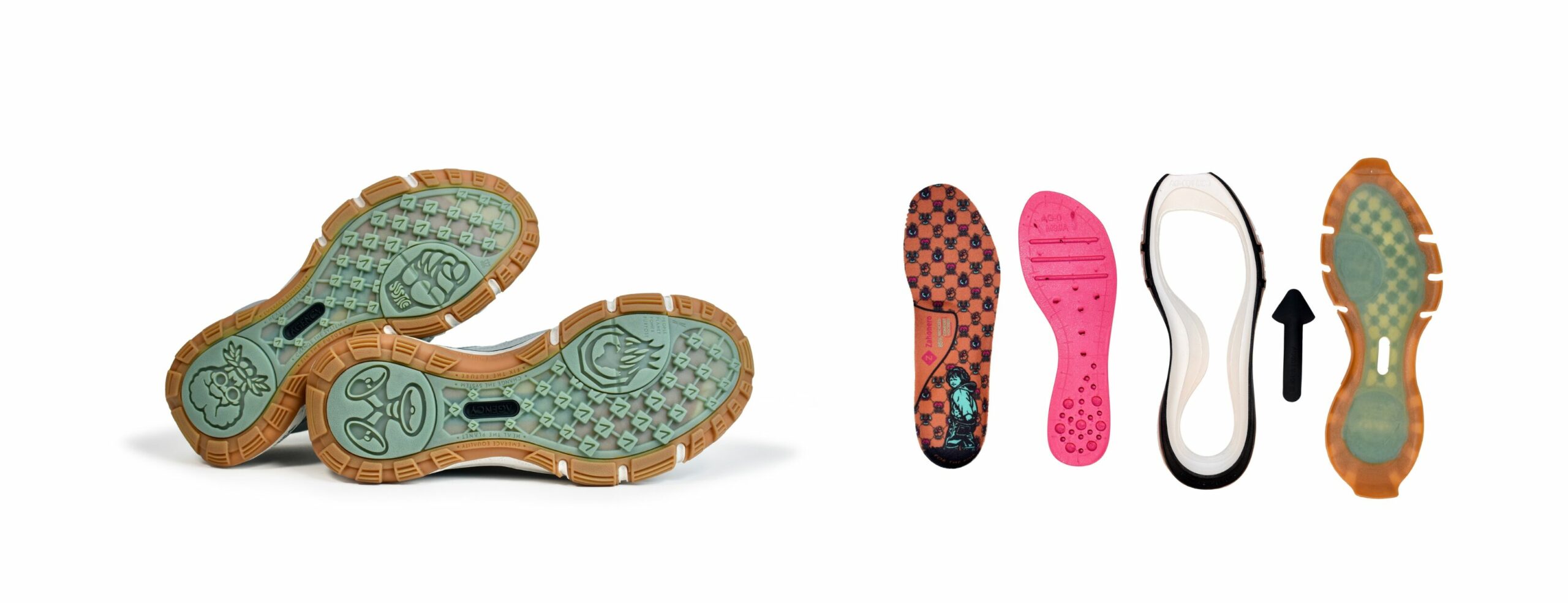
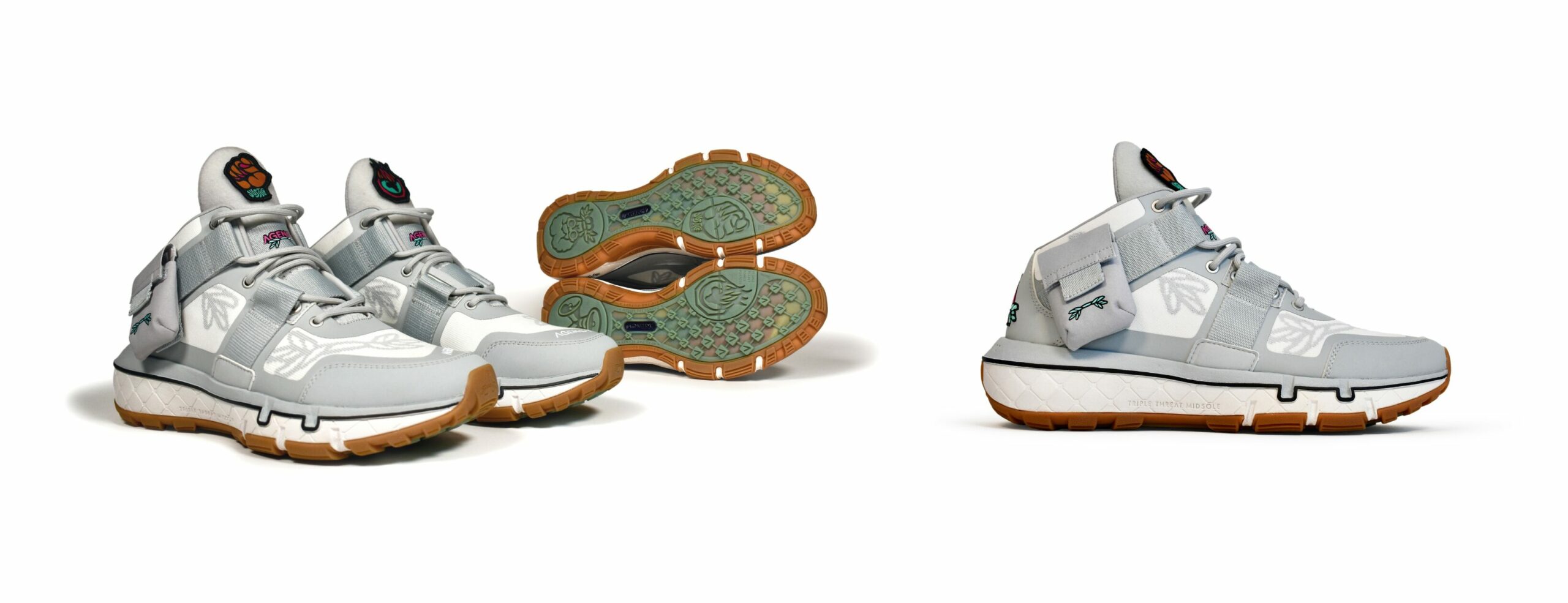
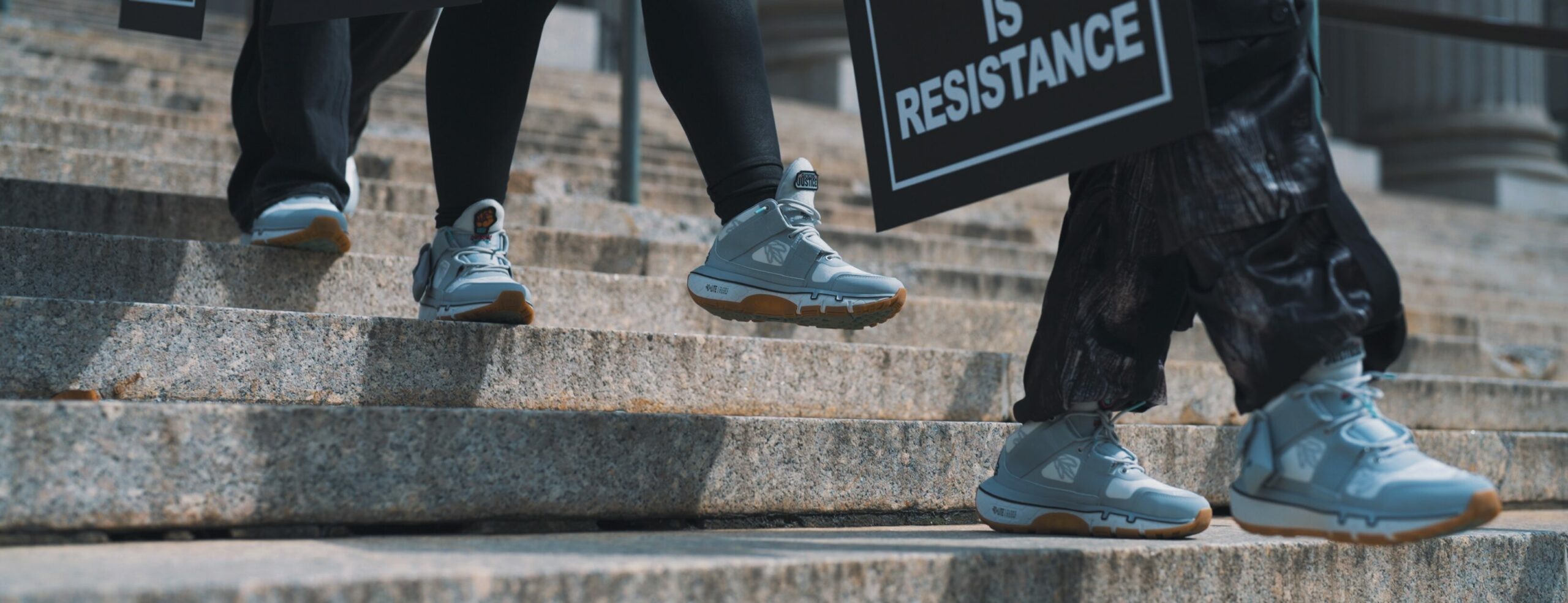
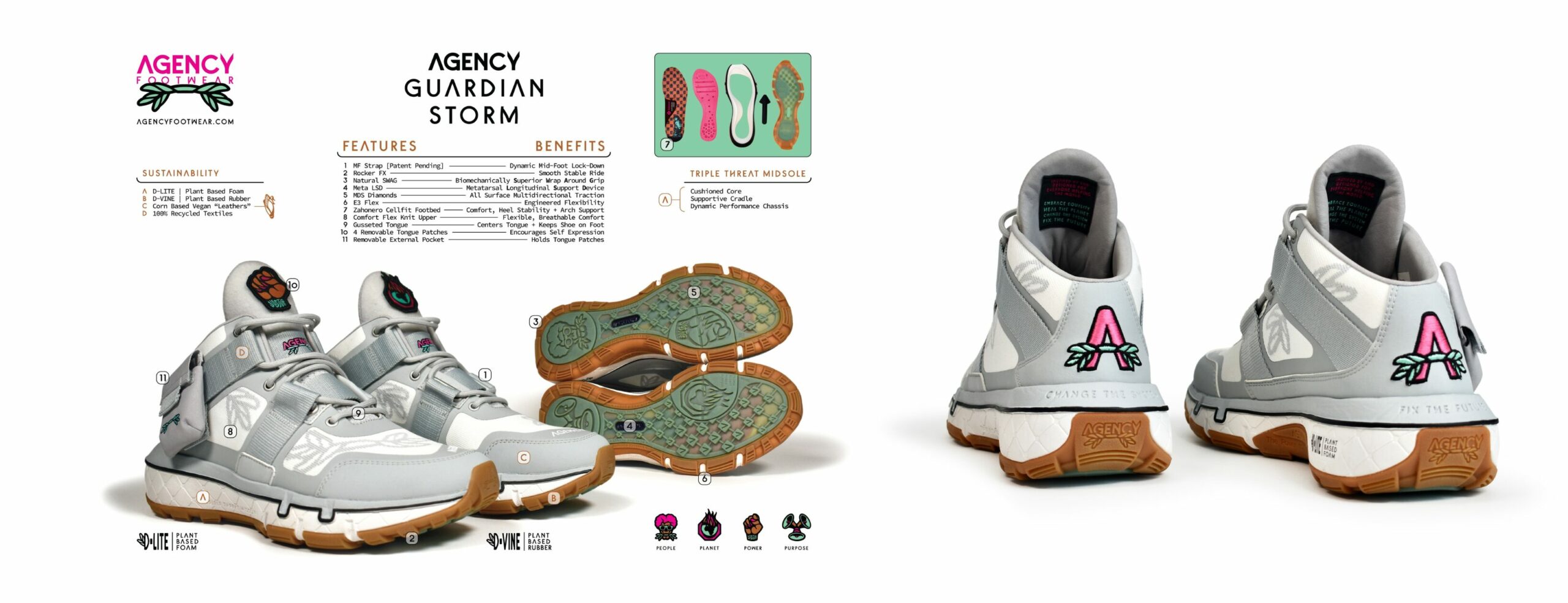
The story of the Guardian is one of providing a worthwhile option for activists. I wanted it to perform when it was needed most, while also being super comfortable when walking for hours on end, kind of like an SUV. That informed pretty much everything about the shoe. The last has a wide toe box to allow the forefoot to naturally splay for all-day comfort. The two straps secure the shoe around the foot while also creating a purposeful aesthetic. The knit provides comfort in the flex zone and increased breathability when things get heated. The dual-density Triple Threat Midsole provides supportive comfort and dynamic stability. With a cushioned core, internally sculpted perimeter, and rocker profile, this platform also has a very smooth ride. Furthermore, it was important to inspire confidence wherever an activist may find themselves, so I designed the grooved lugs around the perimeter of the outsole to grip everything from hard court to dirt trail and made sure the central lugs were tall enough to be useful on grass. I also want AGENCY Footwear to fit into the current wardrobe of people on the front lines, so I made sure the silhouette of the shoe had a nostalgic vibe. Finally, I wanted the shoe to have a unique visual identifier that spoke to its functionality, which is why the pinstripe on the sidewall frames the flex grooves.
The material choices came from my understanding that climate change is an existential threat to humanity. Meaning the Guardian had to be as sustainable as possible while not presenting as a compromised product, due to its environmental aspirations, for me to feel like I was doing my part. Together with my development partner Ken Shao of Kalchemy Sourcing, we found as many certified and traceable plant-based materials as we could that met our performance metrics. Landing on 100% recycled textiles for the remainder and partnering with a fair trade factory that follows the strictest chemical handling and animal welfare policies to make the shoes.
The insole material is interesting as well, not because it’s an open cell foam, but because when I showed my shoes to Zahonero at the New England materials show, Daniel Zahonero felt the brand message aligned with his philosophy of sparking industry wide change so much that they became a very helpful supply chain partner.
What prompted the Agency to shift toward a mission-driven focus, and how did it shape both your products and your perspective on the role of design in our world?
AGENCY has been mission-driven since I signed the foundation documents in 2023. A major motorcycle crash in 2016 prompted me to question my worth as a human, not because of the many injuries, but because it made me allergic to cognitive dissonance. I felt like I was just creating a landfill by designing more shoes. This eventually caused a serious bout of depression because I felt my identity as a designer was exacerbating society’s problems. That lasted until I ‘cracked the code’ in 2019 with respect to how to be authentically anti-consumption within a consumer economy. I rationalized that in order to make a living designing products, they would have to engage mainstream culture with a message encouraging collective sustainability and systemic change.
It took additional research to understand the historical role design and capitalism have played in the social disparities and climate change affecting our world. In conclusion, design is almost exclusively a tool of industry, where creatives are employed to create emotional bonds between real people and soulless corporations. Also, knowing that our creative skillsets allow product companies to continuously exploit Earth’s finite resources through the popularity of their brands really got to me. So, I chose to flip the script and design for those opposing the system.
What inspired you to partner up with The Gathering for Justice, and what made them the perfect fit for this project?
I took some of my early prototypes to the United Justice Coalition Summit in Manhattan, put them on a side table, and asked people’s opinions of them. As well as they were received, the question of how they supported social justice wasn’t easy to explain without breaking down the premise of my business model. Realizing that I wouldn’t always be there to explain my shoes, I wanted an immediate and direct way to prove I wasn’t just marketing altruism but coming through on the promise. I noticed Carmen Perez-Jordan played an important role in organizing the summit both years that it happened, so I looked her up and sent a cold email to The Gathering for Justice, where she’s the CEO. She happened to respond, and from there, we met at their 1199 SEIU office, where I was further impressed by her 20-year legacy of organizing and the coalition-building Harry Belafonte instilled in The Gathering when he founded it in 2005. Having previously walked 250 miles from NYC to Washington DC, Carmen was intimately familiar with the need for quality footwear with uncompromising values within the activist space and the Guardian Storm really caught her eye.
All proceeds from the Guardian sneaker go toward supporting The Gathering for Justice’s work. How will these be used to address systemic issues?
Sending proceeds to The Gathering will help them continue with their educational programs and multi-lateral coalition building, utilizing Kingian nonviolence pioneered in MLK’s civil rights movement with the help of Harry Belafonte. The Gathering is also focused on ending childhood incarceration, which plays a major role in the school-to-prison pipeline, in an immediate and direct way. Each effort and action plays a role in exposing more people to the injustices in our system, inspiring more individuals to become activists every day. Carmen is also uniquely capable of organizing highly successful national protest movements as the need arises, such as when she co-chaired the Woman’s March with Tamika Mallory, Linda Sarsour, and Bob Bland.
What message do you hope this partnership sends to both the design industry and consumers about the role of brands in supporting social justice?
For the people, my hope is to let them know there’s a brand out here fighting for them. For designers, my hope is to provide them with an example of how to use their skills for the greater good. For the industry, my hope is to show that it’s financially sustainable to be in the business of altruism. For society, my hope is to help create a unified voice in the collective movement to change the system. Business as usual has enabled a modern global oligopoly to force society down a path of diminishing returns, but if enough people [I believe 16-20% of the population] shift their top priority from individual profit to collective well-being, studies show that culture change is possible. I believe we’re closer to that point than we realize; we just don’t have a single global banner to stand behind, which is what I designed AGENCY to be.
Congratulations on winning the Global Footwear Awards’ Brand of the Year! How does it feel to receive this recognition, and what does it mean for you and your team?
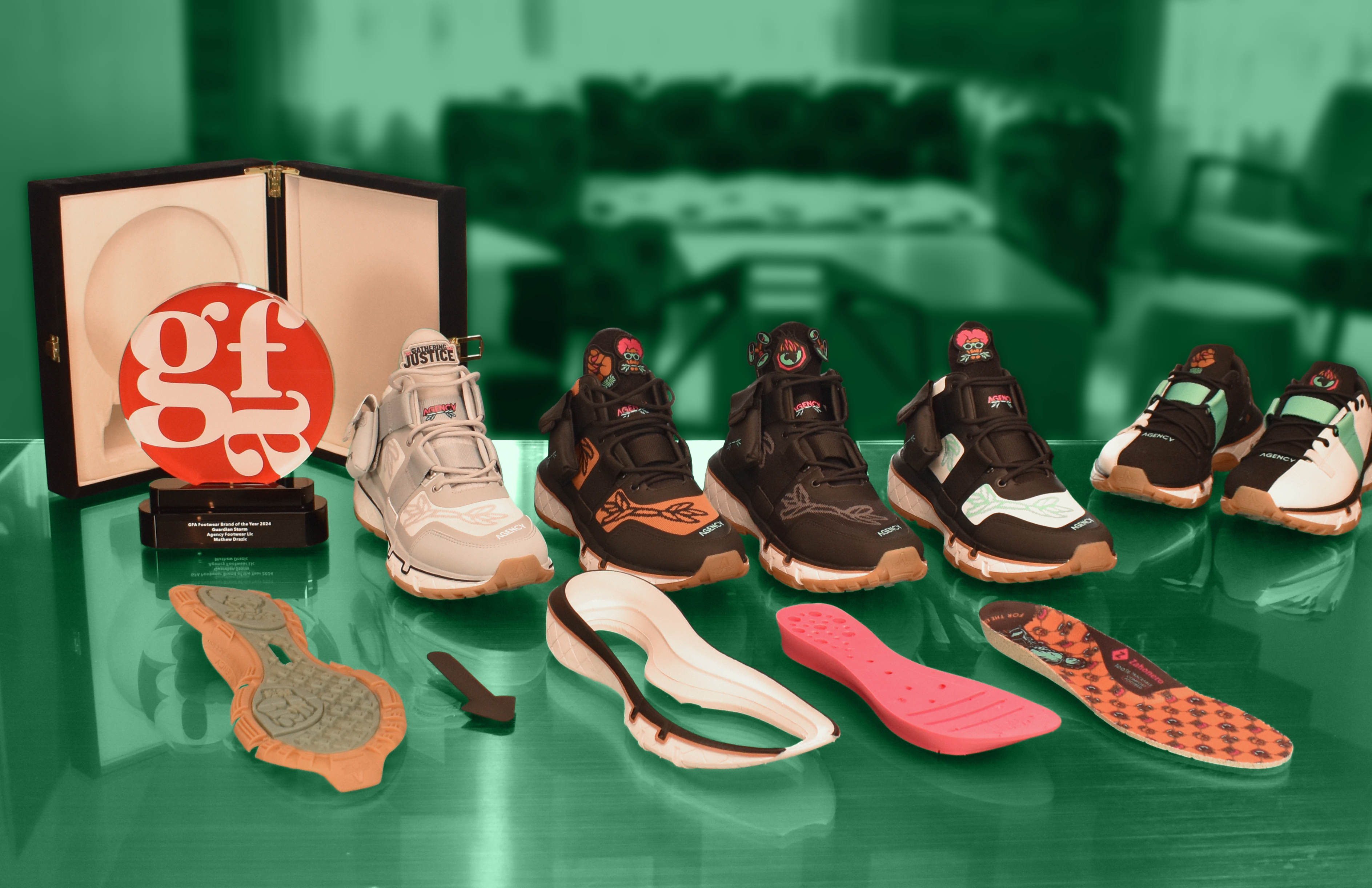
Thank you! Honestly, I was shocked. I thought the Guardian had a chance to win the Social Impact award because I don’t know of any other brands in that space, but to win 4 awards, including the competition’s top honor of Brand of the Year, is a real honor, especially against 250 entries from billion-dollar brand teams, super creative college students, and classically trained craftspeople. It’s crazy to me because my shoes aren’t wild, but they are well-made, so I feel like the judges really wanted to highlight how it’s possible for thoughtful design to provide a practical solution to a complex problem. I also feel like they wanted to point out that now is the time to stop theorizing and start taking every stakeholder seriously.
I’m really thankful for the opportunity to speak about AGENCY Footwear in a longer form as well, because designers don’t always get the chance to explain how much they care about working to create a better world.
Can you tell us about the future of AGENCY Footwear? How do you see the brand evolving, and what role do you hope it will play in inspiring the design community?
The immediate future of AGENCY Footwear is to partner with a like-minded philanthropist or impact investor who’s excited to popularize the need for systemic change in an engaging and non-confrontational way. That, along with improved distribution and sales, will enable AGENCY to scale into the exemplary creative organization and lifestyle brand that I envision. The intention is for everyone at AGENCY to be able to bring their whole self to work and connect personal stories of activism with purposeful product launches. Together, there would be no greater accomplishment than the design community playing a role in popularizing the necessary change activists have been pleading to see for centuries. It’s exciting to think that during such a pivotal time in history, design might help us finally come together as a species to fix the future.
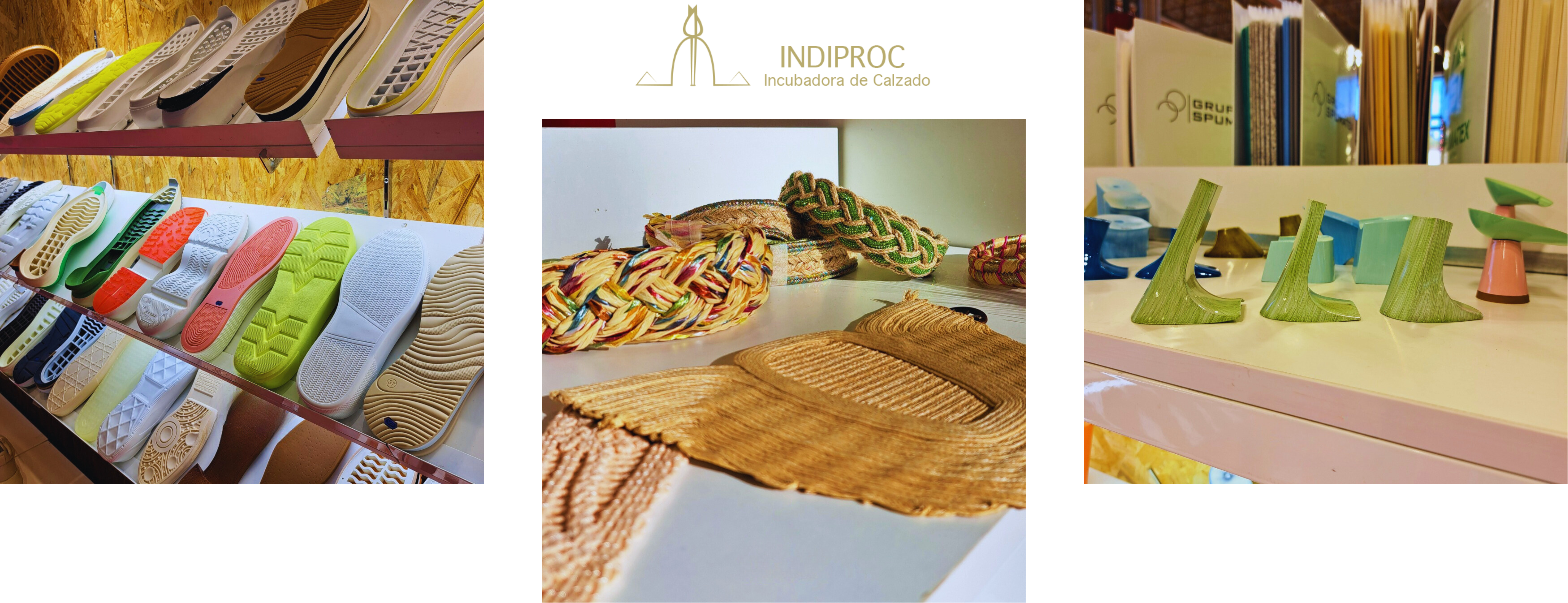
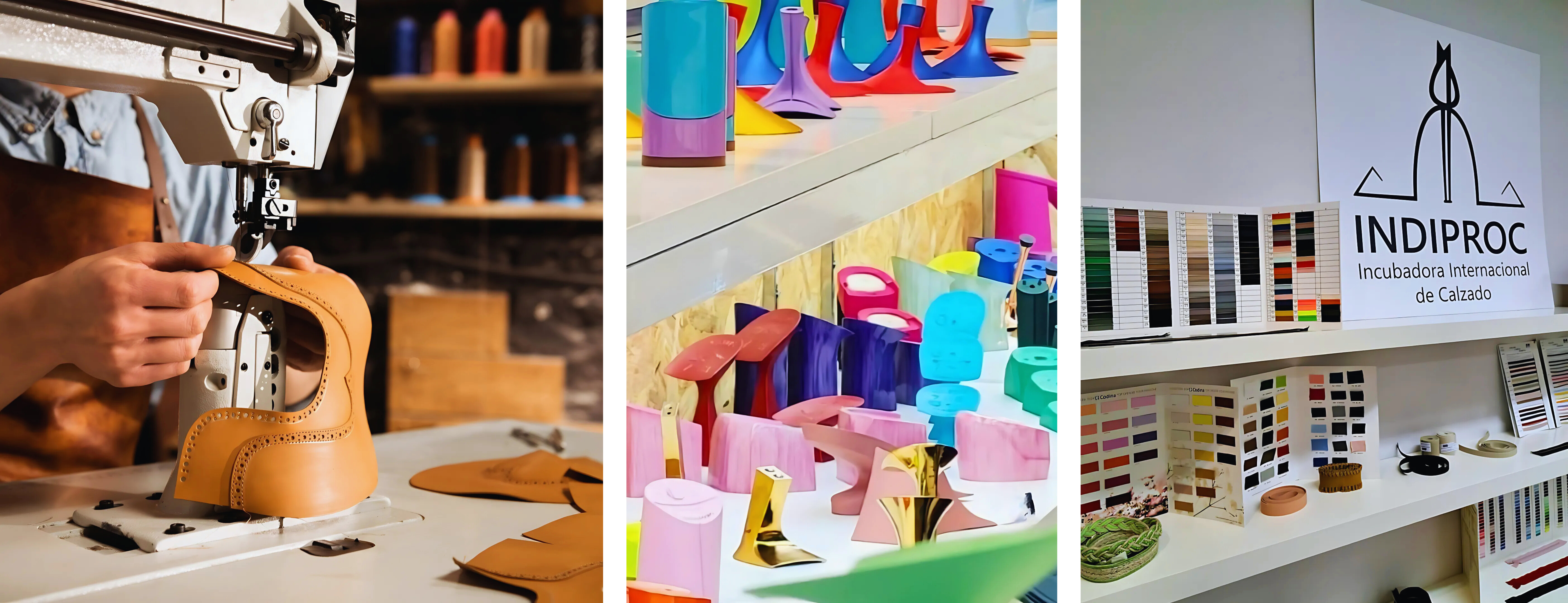
INDIPROC is an international incubator for footwear projects, empowering emerging designers and honoring a legacy of craftsmanship. Founded by María del Carmen Maestre, a third-generation member of a luxury footwear manufacturing family, INDIPROC bridges tradition and innovation to create sustainable, market-ready brands. With a mission to support small brands at every growth stage, INDIPROC offers tailored solutions in design, production, and business strategy. María’s unique approach blends her family’s heritage with a forward-thinking vision, creating a platform that nurtures creativity while ensuring that each brand is prepared for success in today’s competitive market. Read on to discover how INDIPROC is reshaping the future of footwear.
We spoke with María about her inspirations, INDIPROC’s unique approach, and how the partnership with the Global Footwear Awards (GFA) is shaping the future of footwear design.
What inspired you to create INDIPROC and how does it honour your family’s legacy in the footwear industry?
Inspiration comes from designers and the passion to build footwear brands that meet market needs and want to improve the world.
I am Mari Carmen Maestre. I am part of the third generation of a family of luxury footwear manufacturers, and this project honors my family and companies with the same characteristics because a business ecosystem has been created adapted for small brands so that there is a specialized structure at each stage of growth for the brands and helping the continuity of the sector.
How has INDIPROC’s mission evolved since its foundation, especially in response to the needs of emerging designers?
It has evolved progressively, and we increasingly have a more prepared team in training, product mentoring, marketing, finance, and HR…, to accommodate new talent.
What makes INDIPROC’s approach unique compared to other incubators or accelerators in the footwear industry?
Indiproc is unique because it is a company that combines training with the profession.
We specialize in creating from scratch and integrating brands from 3D or physical design, with the contribution of the know-how of previous generations, both in auxiliary companies and shoe and bag manufacturers.
How did the Global Footwear Awards association come about and what synergies do you see between the two organizations?
Before contacting you, we were in the stage of doing training integrations in universities, covering modules that would add value and new concepts. It was my colleague Paula who told me about you. She knew you and followed you on social networks. From the first moment I loved the idea and we immediately contacted you to get to know you a little better, from that moment on, we were very willing to join and collaborate with you by contributing all our knowledge and know-how.
Your company Global Footwear Awards puts talent and support in the spotlight, we are the perfect team to materialize the designs and shape the project from a business perspective so that it enters the market well prepared.
What impact do you expect the mentoring program to have on the career of the winner of the independent designer category?
The objective is to achieve a product and business impact in the medium to long term, creating a brand driving force from the start so that the business part is aligned with the design part.
How do you adapt the consulting sessions for the finalist and winning students to address the challenges they face in the transition to the professional world?
First, a conversation is held with the interested parties to analyze their situation as a brand and how far along they are in their project, to adapt the team they need at each moment and thus create a roadmap.
What are the most common challenges faced by emerging footwear designers and how does INDIPROC help them overcome these obstacles?
The challenges are usually the construction of the brand, which includes:
At Indiproc, we align all areas with a fully prepared multidisciplinary team.
Can you share a success story of an emerging designer or brand that has significantly benefited from INDIPROC programs?
Of course, I would like to mention the Flordeasoka brand, led by Tita Guerrero, a very nice family project that, together with her daughters Elena and Ines, has known how to grow as a brand and position itself very well in the market.
They started with customization, defining their target audience, which they wanted to address, and began to create small productions. In a few years, it became a leading Spanish brand.
Personally, I feel very grateful and proud to be part of this project. Today, the Flordeasoka brand is totally independent and has its own business structure.
How has INDIPROC adopted technology such as 3D design to empower the next generation of footwear designers?
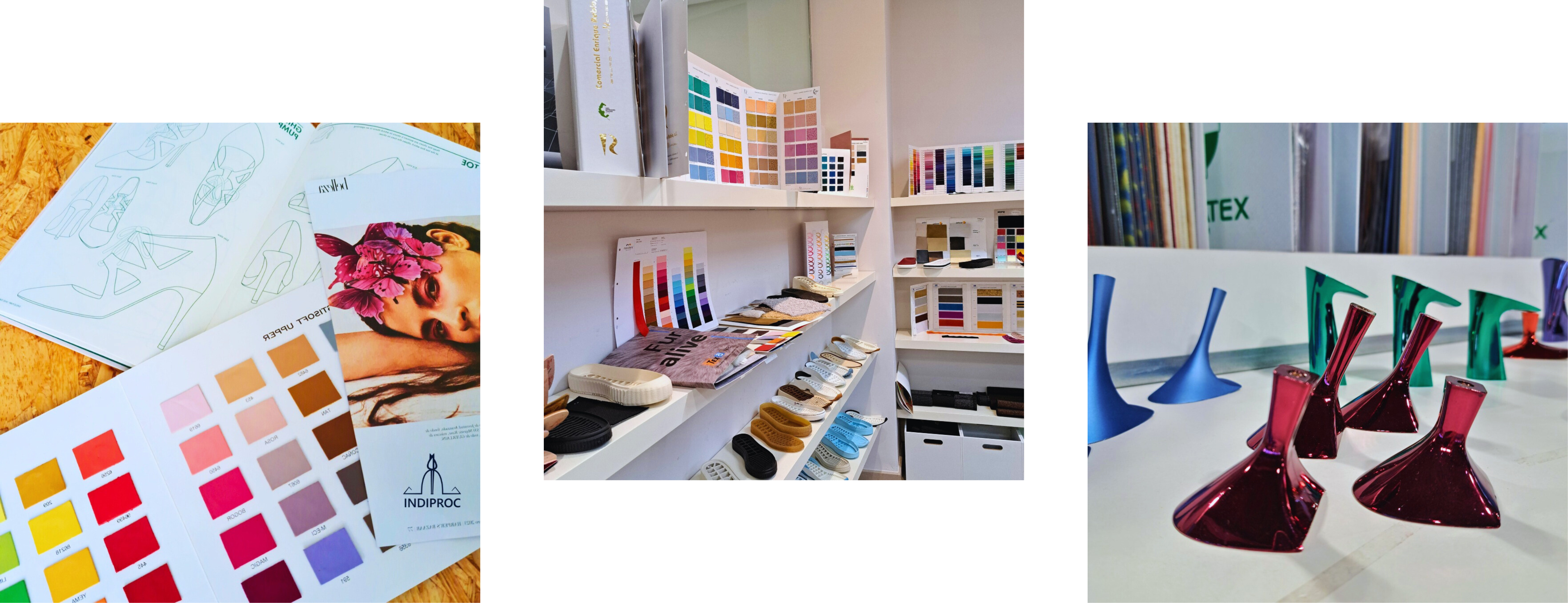
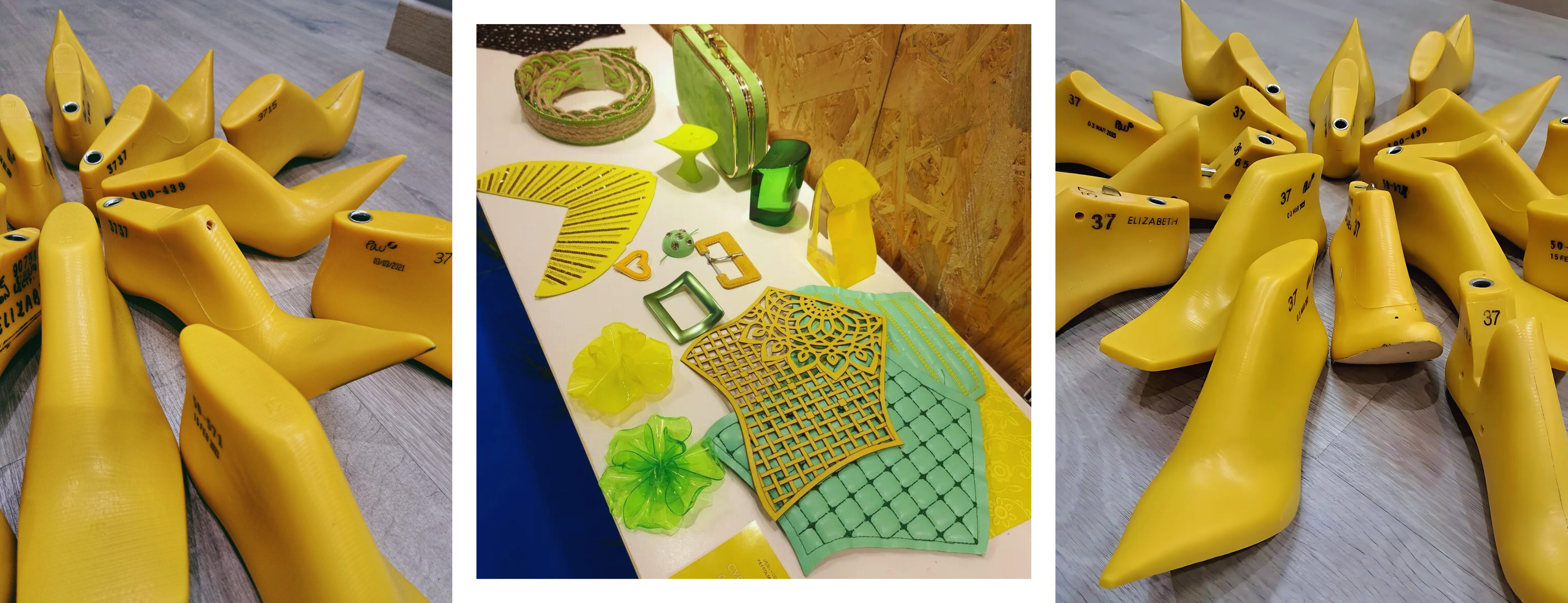
We have a professional team in 3D design, providing all the knowledge so that the designer has technical and professional support. We digitalize lasts and textured materials to develop designs from scratch. We even create our own molds for decorations, heels, etc.
What are some of the most exciting trends or innovations that you see shaping the future of the footwear industry?
Eco-design and the integration of sustainable, reusable, and technological materials.
How is INDIPROC helping designers and brands to incorporate sustainability and R&D into their practices?
Indiproc collaborates with Inescop (footwear technology institute), with eco-design training and specific certifications, so that brands are prepared to go to market with value and commitment, doing all kinds of mechanical and usage checks.
Do you think that the shift towards independent and artisanal brands is transforming the global footwear market? If so, how?
Yes, the evolution of brands is in addressing their target audience, whether artisanal or towards a more global market. Personally, I think both are valid; it depends on the brand approach and how far the entrepreneur/designer wants to cover.
Behind every project, there is an evolution that starts from know-how and craftsmanship, which are bases that we must always take into account when designing.
What are your objectives for INDIPROC in the next five years? Is there any future project or partnership that you are particularly excited about?
The main objective is to reach the total production of the collaborating factories and new integrations.
Each project is unique and different because each brand is the extension of the personality of the person who creates it. For this reason, each selected project has to transmit a lot of soul to us.
How do you imagine INDIPROC’s role in promoting innovation and sustainability within the footwear industry on a global scale?
I see it very prepared because we have partners who are audited and certified.
What advice would you give to aspiring footwear designers who are just starting out in the industry?
I advise them to have a lot of passion, direction, and motivation. The Indiproc team will walk hand in hand with them until they are ready to take the leap.
Learn more about INDIPROC – www.incubadoracalzadoindiproc.org
Contact: (+34) 965 201 124
E-mail: info@incubadoracalzadoindiproc.org
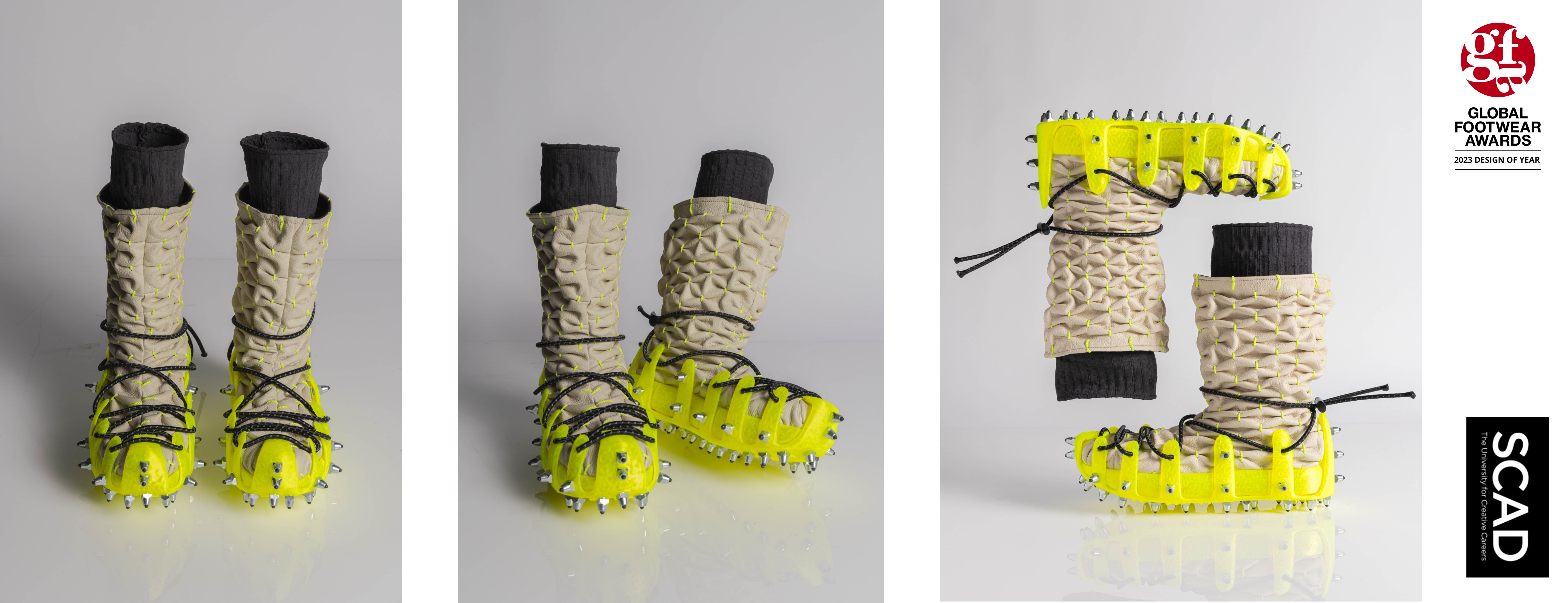
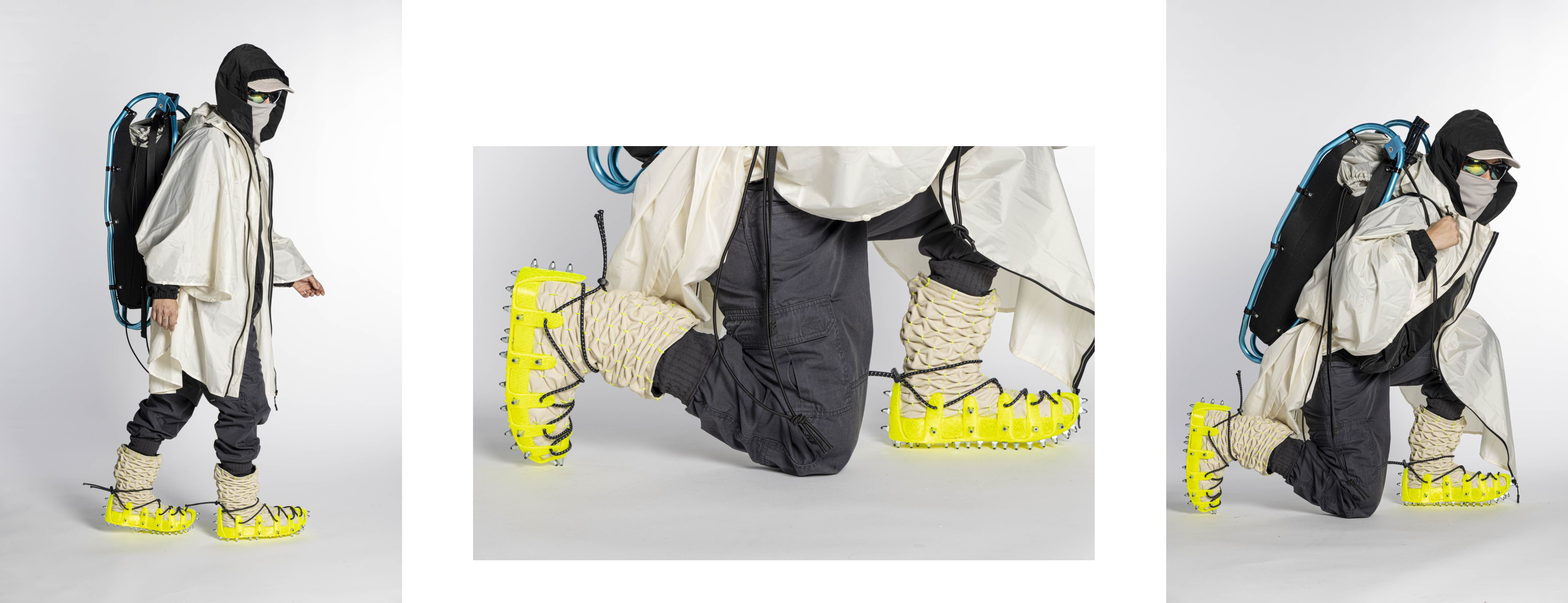
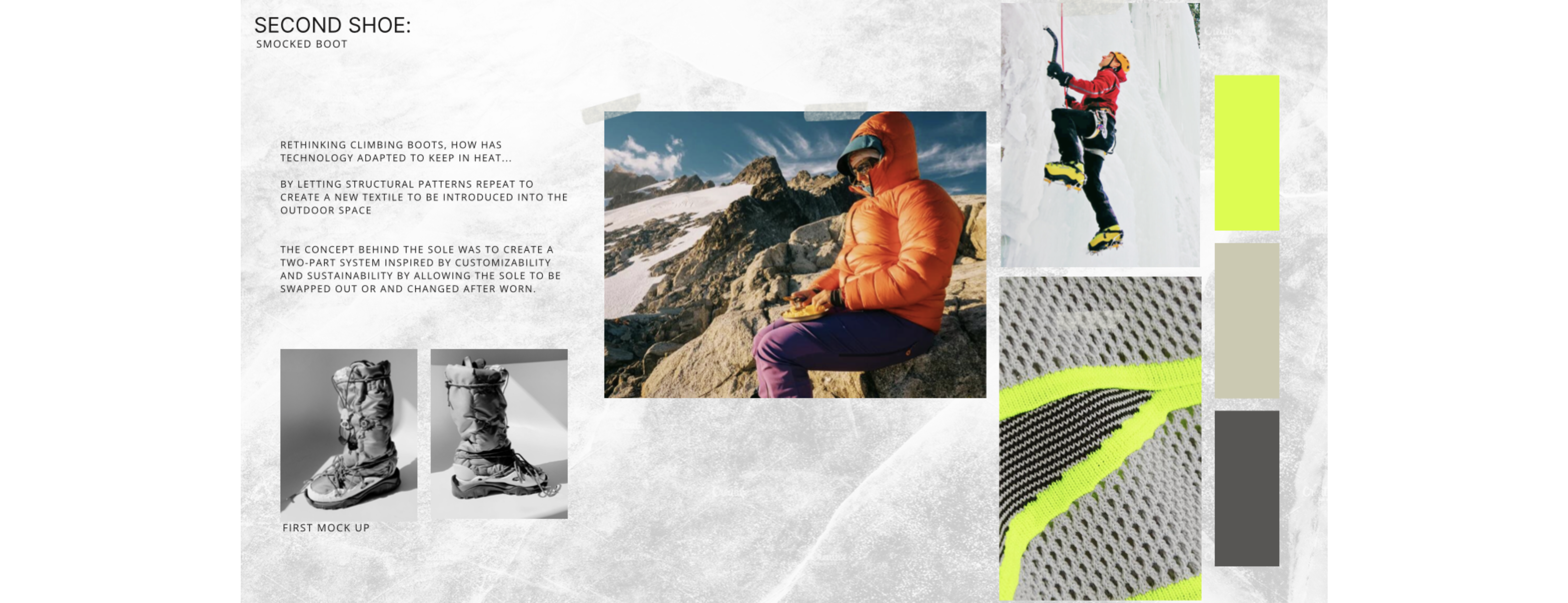
Footwear Designer Madeline Helt, 2023 Global Footwear Awards Emerging Designer of the Year, unveils the inspiration behind Smocked Boot. This project redefines the climbing boot by leveraging advanced heat-retention technology and utilizing repeated structural patterns to create a new, durable textile tailored for outdoor environments. Its innovative two-part sole system, designed with both adaptability and sustainability in mind, allows for easy replacement or modification, extending the boot’s functionality and lifespan.
As a young, emerging designer of the year, what was your goal in designing these boots?
The primary intention behind creating this boot was to develop a multi-sole system tailored for extreme weather sports, combining functionality with a high-end aesthetic. I aimed to design a boot capable of tackling challenging terrains effortlessly while offering a high degree of customization. This versatility contributes to the product’s sustainability, allowing it to adapt to various consumer needs. The boot is available in a range of sizes and performance levels, ensuring it meets the unique requirements of each user.
What kind of technology did you integrate into this design to retain heat?
In this design, we might explore using an upper material with a specialized structure aimed at enhancing heat retention. A layered and folded construction, inspired by natural biological patterns found in some animals’ skin, could offer an effective way to retain warmth in cooler conditions. By emulating these natural insulation methods, this approach could potentially create a balance between warmth, a lightweight feel, and comfort, ideal for cold-weather performance.
What makes this boot sustainable?
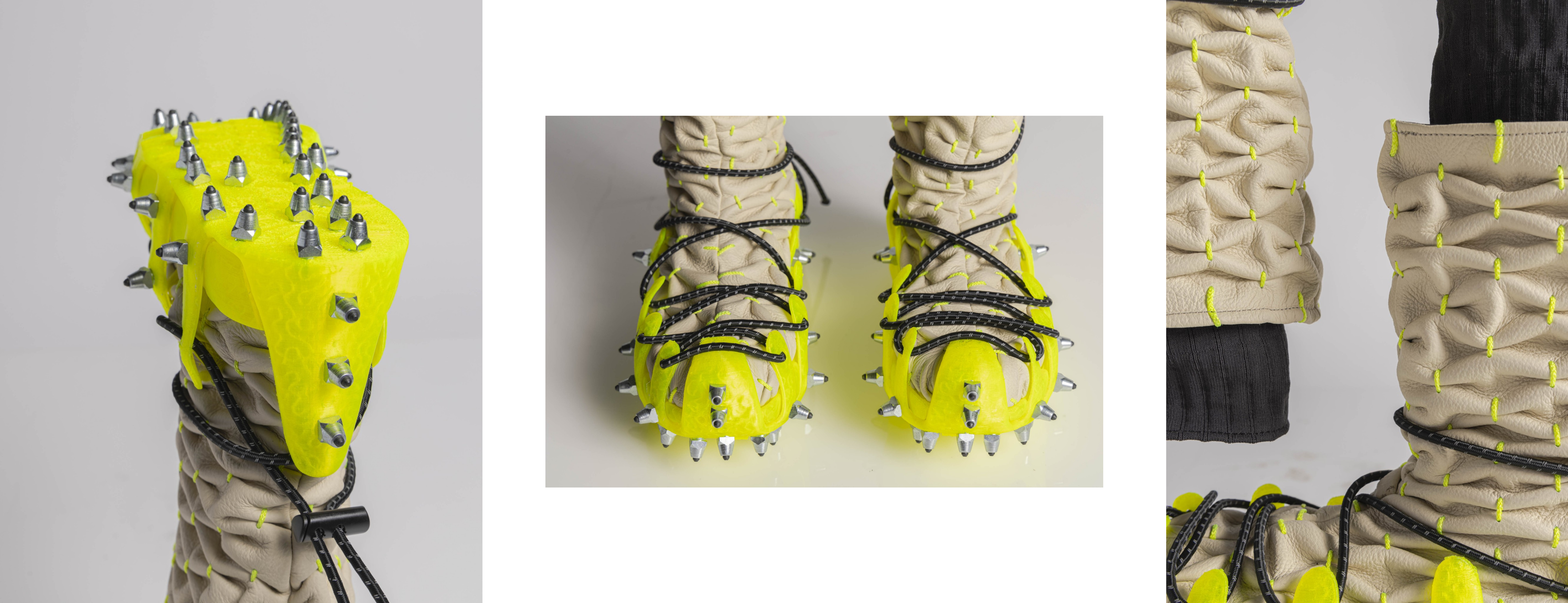
The sustainability of this boot lies in its innovative multi-sole design, which is both customizable and modular. The sole consists of a two-part structure: an inner midsole and an external outsole. The midsole provides comfort and structural support, while the external outsole can be securely screwed on and off. This feature not only extends the boot’s lifespan by allowing easy replacement of the outsole, reducing waste, but it also enables customization with different colors, letting wearers personalize the look to their preference. Overall, this design approach reflects a commitment to sustainability while enhancing the user experience.
Would you elaborate more on the repeated structural pattern.
The repeating structural pattern showcased on the upper of this boot is referred to as “smocking.” Originally developed for textiles, this technique involves pleating fabric to enhance its elasticity. When applied to leather, smocking significantly increases the material’s strength while allowing it to retain its shape and heat. This innovative approach not only contributes to the durability of the boot but also ensures optimal performance in outdoor environments, where maintaining form and function is crucial
How did your experience at SCAD influence the decisions you made to create this particular design?
My experience at SCAD significantly shaped my design choices, particularly through the guidance of my professor, Michael Mack, who consistently encouraged me to push the boundaries of my creativity and skill. SCAD’s extensive resources also provided me with opportunities to experiment with various techniques and materials, along with valuable insights into different aspects of the industry. This combination of mentorship and access to diverse resources ultimately led to the development of this particular design.
What role did your professor play in the design development process?
While I had the privilege of learning from multiple talented professors at SCAD, Michael Mack stood out the most in my design development. He encouraged me to push the boundaries of my designs and instilled a strong belief in my craftsmanship. I’m incredibly grateful for his guidance and support, which helped me cultivate my creative confidence and allowed me to explore innovative concepts while refining my skills.
What is the thing you’re most proud of when it comes to this product?
One of my proudest achievements is the smart boot, which is a culmination of a series of six products I developed for this project. It was one of my initial concepts and presented the greatest challenge. My vision was to create a line for extreme weather sports that blurred the lines between functionality and fashion. By pushing those boundaries, I transformed the traditional idea of a puffer boot into something far more innovative. This was achieved through extensive experimentation with textiles and engaging with individuals who live extreme weather lifestyles. Ultimately, I am proud of the entire product, the collaborative effort that brought it to life, and the recognition it has received within the footwear industry.
What can we wish you for 2024?
In 2024, I hope to continue designing products that push the boundaries of both fashion and function. My aspiration is to inspire others to challenge their own skills and explore the limitless possibilities of what fashion can become.
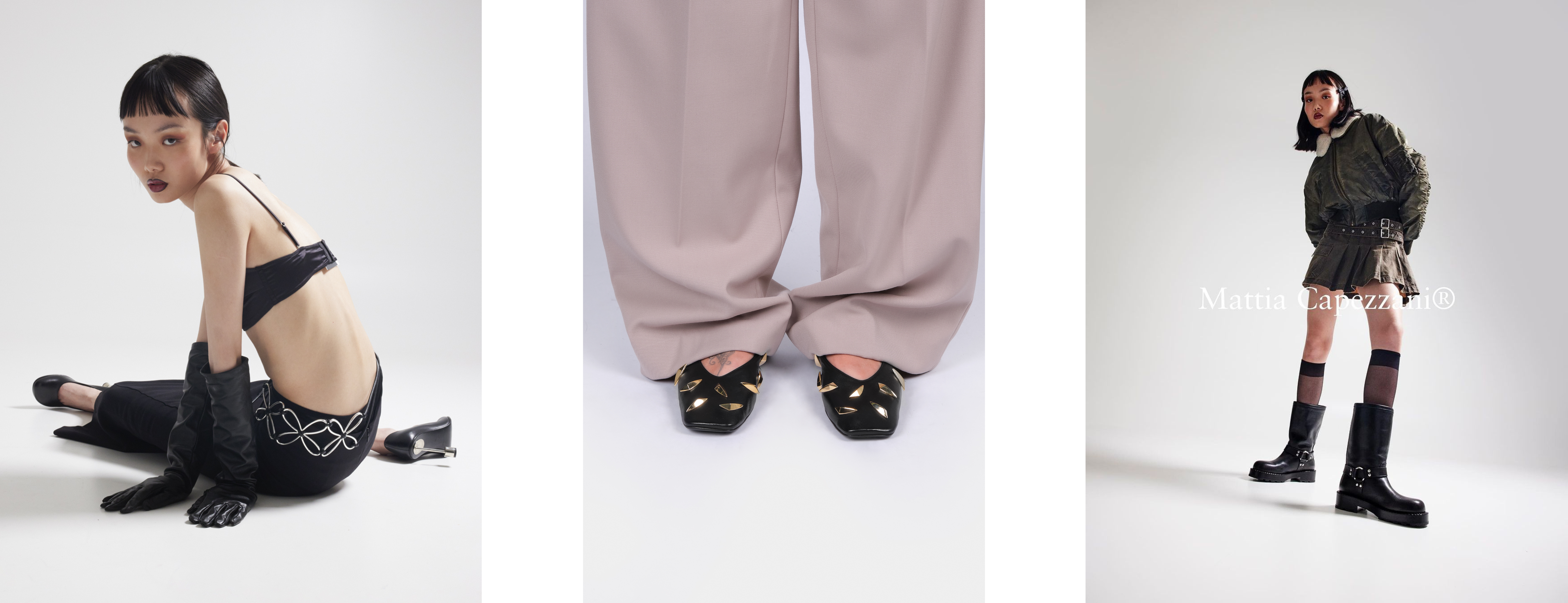
Marta, an Italian footwear designer, has established a remarkable career in high fashion, bringing her creative vision to esteemed brands like Santoni, Doucal’s, and Dolce & Gabbana. She also consulted for the Missoni Men’s and Women’s collections, shaping both product and creative direction. Marta’s passion for design was ignited in her childhood, influenced by her grandfather, a self-taught painter whose discipline and artistry deeply impacted her. With a keen aesthetic sense and vivid imagination, Marta recognised early on that her future was in fashion. Over the years, she has carved a distinctive niche in the luxury footwear industry.
In this exclusive interview, Marta takes us through her extraordinary journey. She shares insights into how her upbringing shaped her creative process, her approach to designing with both functionality and beauty in mind, and the evolving demands of the fashion world. Marta also opens up about her forward-thinking vision, emphasizing how technology and sustainability are becoming key drivers in the future of design, offering a glimpse into what lies ahead for the industry.
Can you tell us a bit about your background? How did design come to have such an important role in your life and where has it taken you over the years?
I cannot recall a single day in my life when I did not want to do this job. I believe I made my decision at the age of six while watching “Donna sotto le stelle,” a television show that concluded Rome Fashion Week with runway displays from Armani, Versace, Ferré, Valentino, Fendi, Krizia, and Ferragamo. Designing is for me a form of escape, a journey into different places with my mind. Design has given me so much, leading me to the deepest corners of my mind, continuously challenging me, and allowing me to communicate with others who differ from me in terms of nationality, gender, passions, and views. Design has broadened my worldview and continues to do so.
What would you say is your personal design philosophy? How has this philosophy evolved throughout your years in the high-fashion footwear industry?
Young people assume that fashion is doing what they enjoy and that, because they have good taste, everyone will appreciate it. Fashion, like society, is constantly changing, and not everyone shares your preferences. My role as a designer is to strive to fit into this dynamic context by interpreting, anticipating, and representing, through products, the growth of customer needs and societal changes.
Growing up with a painter as a father, how did his artistic influence shape your approach to design? Are there specific elements of his work that you incorporate into your designs?
My grandfather was a painter, but that’s fine since my grandparents are second parents. My grandfather was a self-taught, incredibly persistent and disciplined individual; I learned discipline and consistency when I began studying fashion at the age of nineteen. As a child, I mixed colors for him. All of this came back to me in Santoni when I encountered hand-colored shoes. Colors are essential to me because they communicate better than words.
You’ve worked with iconic brands like Santoni, Doucal’s, and Dolce & Gabbana. What have been some of the main challenges and learning experiences you’ve encountered?
The challenges were diverse and progressive in nature Santoni was the first job and the hardest thing was to understand how to create a shoe and the steps it has to become one . At Dolce&Gabbana, communication and the ability to assert my ideas and designs, was the hardest challenge.
Can you describe the creative process you follow when starting a new collection?
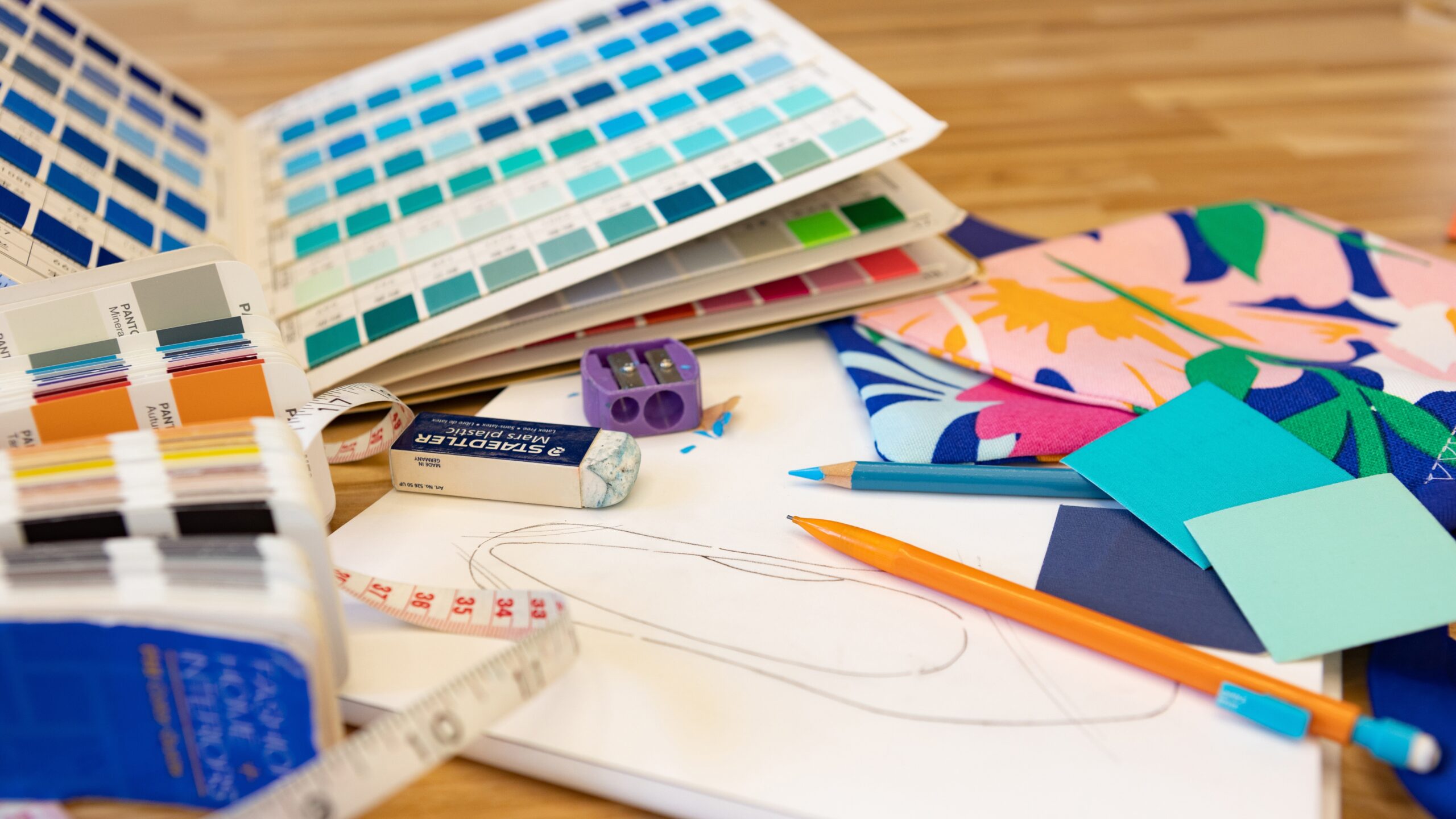
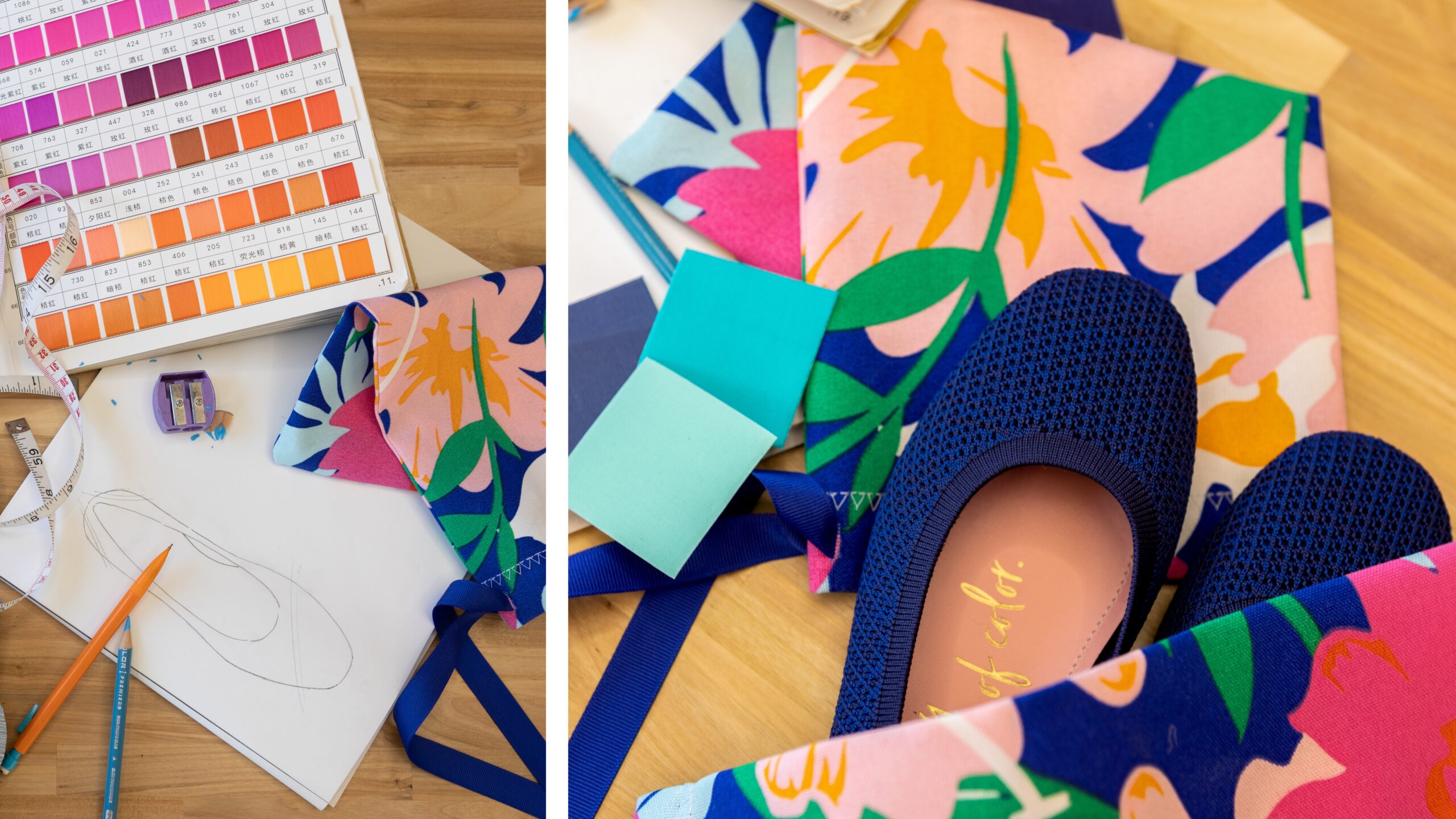
The first critical aspect to consider is who the collection is intended for. I conduct research on products, merchandise, positioning, creative, materials, and components. Following that, I do a lot of mockups, both real and digital. Only when the concept is clear do I create the drawing,
design, and technical package for delivery to the factory.
In an industry that often focuses on trends, how do you stay up to date and ensure that there’s always a bit of “you” in each collection?
I read a lot, listen, watch movies, and chat to people who have been doing this profession for a long time. Curiosity is essential for the development of identity; otherwise, it is difficult to leave a stamp on the product. It is not always the case that the customer or the brand wants an imprint; we must be sufficiently mature to create a product that does not represent us but rather the brand.
Your career must have given you many good stories and projects that make you the perfect guest at any dinner. Could you share a particularly memorable experience from your work that you still think about to this day?
My first involvement in Milan Fashion Week with the company Santoni was a memorable experience. I was twenty-four years old and felt like Andrea Sachs from “The Devil Wears Prada.” And it was just like that: uncool clothes, adrenaline, five hours of sleep per night, up and down all day, phones ringing even when you were in the bathroom. But everything was great, and I’d do it again.
As a jury member for the Global Footwear Awards, what do you prioritise when evaluating designs? What advice would you give to aspiring designers who look up to you?
It depends on the category; in general, I consider the project’s functionality first, followed by aesthetics. Because it makes no sense to proceed with a well-designed but technically unfeasible product, I advise young designers to spend more time in a factory rather than a design office at an early stage.
What do you envision for the future, both for yourself and for the broader design community?
I believe that technology and sustainability will become fundamental components of design work. Design will become increasingly real through the use of 3-D programs and artificial intelligence; hand sketching will be phased out, except for artistic representations. Sustainability will be essential for pursuing and completing a project.
Switzerland – The Global Footwear Awards (GFA), the leading international competition recognizing excellence in footwear design, announces its esteemed jury for the 2024 edition. Celebrating creativity, innovation, sustainability, and social impact within the footwear industry, the awards provide a global platform for professionals and students to showcase their cutting-edge designs. From concept to manufacturing, GFA highlights the best and most innovative solutions shaping the future of footwear.
This year’s jury features a diverse panel of influential figures from the footwear industry and related sectors. These experts include Havva Mustafa, Founder & Designer and Footwear Design Lecturer; Luis Valenzuela, Founder and Chief Curator of Miami Shoe Museum; Felipe Fiallo, Creative Director at Felipe Fiallo S.R.L.S; Caroline de Baere, Footwear Industry Expert and Educator; Robbie Fuller, Creative Director at Anta Group; Sissi Johnson, President, Berlin fashion Film Festival; Sean Williams, Co-Founder of OSD, SOLEcial Studies; Jazerai Allen-Lord, Founder of True to Size; Ann Williams, Co-Founder and Footwear Design Director at Schwilliamz Creative Consultants; Mary Norton, Luxury Accessories Design Director at Savannah College of Art; Oronzo De Matteis, CEO and Creative Director of OROORO Brand Luxury; Chen Wang, Director of RedBoots Award; Monica Mei, Footwear Designer and Product Manager at Vera Wang; Marta Andreassi, Freelance Footwear Designer and former designer at Dolce & Gabbana; Mathew Kurien and Arshiya Kapoor, Heads of Department at MIT Institute of Design; Eelko Moorer, Course Leader MA Footwear at London College of Fashion; Matteo Fermani, Product Development Coordinator at Hugo Boss; Sara Paiva, Director at The Shoe Museum; Fionn Corcoran-Tadd, Innovation Designer at Adidas; Yael Joyce Vantu, Chief Product Officer and Head of Design at Balena; Robert Quach, Expert Designer Jordan SP at Nike; Julia Lebosse, Founder of Sneakers by Women; and Timon Kuhlenkamp, Performance Footwear Designer at On Running. Discover their impressive accolades and extensive experience at Global Footwear Awards – Jury.
Astrid Hébert, co-founder of the Global Footwear Awards, shared her insights on the upcoming edition: “Footwear design is all about ideas that walk ahead of their time—both literally and figuratively. Our jury seeks bold, sustainable, and innovative designs that not only push the industry forward but also make a lasting impact. We encourage everyone to bring their unique vision to the table and take advantage of this opportunity for both recognition and valuable career advancement.”
The Global Footwear Awards offers participants a prestigious opportunity to gain international recognition for their designs, evaluated by a jury of top industry professionals. Winning an award opens doors to new career opportunities, increased brand visibility, and valuable industry connections.
Designers are encouraged to submit their entries by November 3rd, 2024. A 20% late fee will apply until this date. For more information on submission guidelines, categories, and benefits, please visit globalfootwearawards.com.
Footwear design is an art that seamlessly blends creativity with functionality, an ethos few embody as fully as Ann Williams, founder and Co-Director of Schwilliamz Creative Consultants, a leading full-service footwear design, strategy, and advisory consultancy based just outside Boston, MA, USA. Known for her keen sense of style, innovation, and function, as well as her strong commitment to technical soundness and sustainability, Ann not only shapes shoes but also influences how we think about design in today’s rapidly evolving footwear market.
With a career spanning more than 30 years, Ann’s journey began at De Montfort University in the UK, where she earned an honors degree in footwear design. She launched her professional career at Clarks UK, designing children’s footwear—a role that laid the foundation for her deep understanding of functionality, technical details, and aesthetics. Ann later expanded her expertise in the USA, first as a designer at Reebok and then as Director of Product and Design at Stride Rite, where she led teams in translating innovative concepts into commercially successful footwear solutions.
Beyond creating exceptional footwear for global clients, Ann is also a respected industry subject matter expert, advising business, legal, high-tech, and media professionals on complex footwear-related issues, including intellectual property and new business initiatives.
Join us as we explore Ann Williams’ remarkable journey in footwear design, from her early beginnings to leading innovative teams and consulting for global brands. Discover how her passion for footwear and creativity has fueled her professional development and gain invaluable insights aimed at inspiring the next generation of designers.

Can you tell us about your background? How did your journey to become such a prominent figure in the design community begin, and where did it take you over the years?
My journey began at De Montfort University in the UK, where I earned a degree in Footwear Design. This education taught me the essential balance between functionality and aesthetics, which has guided my career. I started working at Clark’s UK in the children’s footwear division, where I learned about designing for growing feet and gained hands-on experience working with the craftsmen in the onsite factories. Over the years, I transitioned to various roles, including positions at Reebok and as the Director of Product and Design at Stride Rite, where I led a talented team to create innovative and practical footwear solutions. Each role has reinforced my commitment to blending creativity with functionality to enhance user experience.
What would you say is your personal design philosophy? How has this philosophy evolved throughout the years?
My personal design philosophy reflects my core values and aspirations: to love the work I do, always keep an open mind, be collaborative, flexible, and transparent, emphasize creativity and find inspiration everywhere. When designing, I strive to balance form and function to create innovative footwear that not only looks great but also is commercially viable and user-friendly.
You’ve worked in the renowned children’s footwear division at Clark’s UK at the beginning of your career. What unique challenges and opportunities does designing for children present? How did this experience influence your approach to design?
Designing for children presents distinct challenges, particularly in balancing durability, comfort, style, and proper fit. You cannot simply scale down adult designs, because children’s footwear must support growing feet and developing bones, and a good fit is critical for their long-term health. My experience at Clarks taught me the importance of ergonomics and involving children and their parents in the design process to ensure their needs are met. It reinforced my commitment to user-centered design, emphasizing that every detail must contribute to both functionality and overall well-being.
As the Director of Product and Design at Stride Rite, you led a team through the entire design and development process. What strategies did you use to increase your team’s creativity?
I was fortunate to work with a highly talented team at Stride Rite, and our success was always a collective effort. At Stride Rite, I encouraged open communication and collaboration, ensuring that all team members’ ideas were heard and valued. We utilized consumer feedback and sales data to ground our creativity in real-world results. Additionally, we immersed ourselves in trend information by attending trade fairs, competitive shopping, and spending time abroad at sample rooms and factories with technicians, mold and last makers, material suppliers, and other production partners. This approach provided invaluable insights into the shoe-making process and sparked innovative ideas that enriched our design work.
What are the biggest challenges and opportunities you see for companies looking to transition into sustainable practices within the footwear industry?
Transitioning to sustainable practices in the footwear industry involves both considerable challenges and exciting opportunities. One major challenge is sourcing certified eco-friendly materials that are cost-effective while still meeting the durability and quality standards expected in footwear. Additionally, redesigning production processes to minimize waste and reduce carbon footprints may be daunting, but it’s essential. However, there are significant opportunities as well. For designers, sustainability starts from initial research and sketching, considering ways to reduce material waste, limit sample iterations, streamline components, and simplify production processes. This proactive approach not only addresses environmental concerns but also drives innovation in design and manufacturing.
Could you share a particularly memorable experience from your work that you still think about to this day?
A particularly memorable, not to mention consequential, experience was taking the bold step to leave my corporate job and start Schwilliamz Creative Consultants. I recognized a unique opportunity for a full-service footwear design consultancy, and despite the risks, Dean Schwartz and I committed ourselves to extensive research and a lot of hard work to get established. Looking back 20+ years later, it’s incredible to see how our initial vision has evolved into a leading full-service footwear design, strategy, and advisory consultancy. This journey remains significant to me because it represents the power of seizing opportunities and the impact of perseverance in achieving long-term success.
Looking back over your 30-year career, what are the most significant changes and trends in the footwear design industry?
The fundamentals of footwear design are more or less unchanged. Certainly, there have been countless technological advancements, such as the rise of digital tools and e-commerce, which have transformed how designs are developed, marketed, and sold. The introduction of new materials and manufacturing techniques has revolutionized design possibilities, allowing for greater innovation and functionality. We regularly see fashion trends grow stale only to cycle back into vogue years later. Consumer and market demands are always shifting. Increasingl,y the emphasis on sustainability is driving many brands to prioritize eco-friendly practices and materials.
As a jury member for the Global Footwear Awards, what do you prioritize when evaluating designs? What advice would you give to aspiring designers who look up to you?
When evaluating designs, I prioritize innovation, functionality, and user experience. It’s crucial that a design not only pushes boundaries and looks great but also remains wearable and commercial. For aspiring designers, my advice is to stay curious and open-minded. Immerse yourself in the real world to gain inspiration, embrace feedback, and be willing to experiment. Learning from industry professionals who understand the complexities of shoe-making can also be invaluable. The most impactful designs often come from taking risks and exploring new ideas.
What do you envision for the future, both for yourself and for the broader design community?
For myself, I envision delving deeper into new areas in design, with a particular focus on sustainability and the integration of AI to enhance the design and development process. I also aim to continue mentoring and inspiring the next generation of designers, sharing my expertise in shoemaking and footwear design to help them advance their careers and innovate within the industry. The future is filled with exciting possibilities, and I look forward to contributing to and shaping this ongoing evolution.
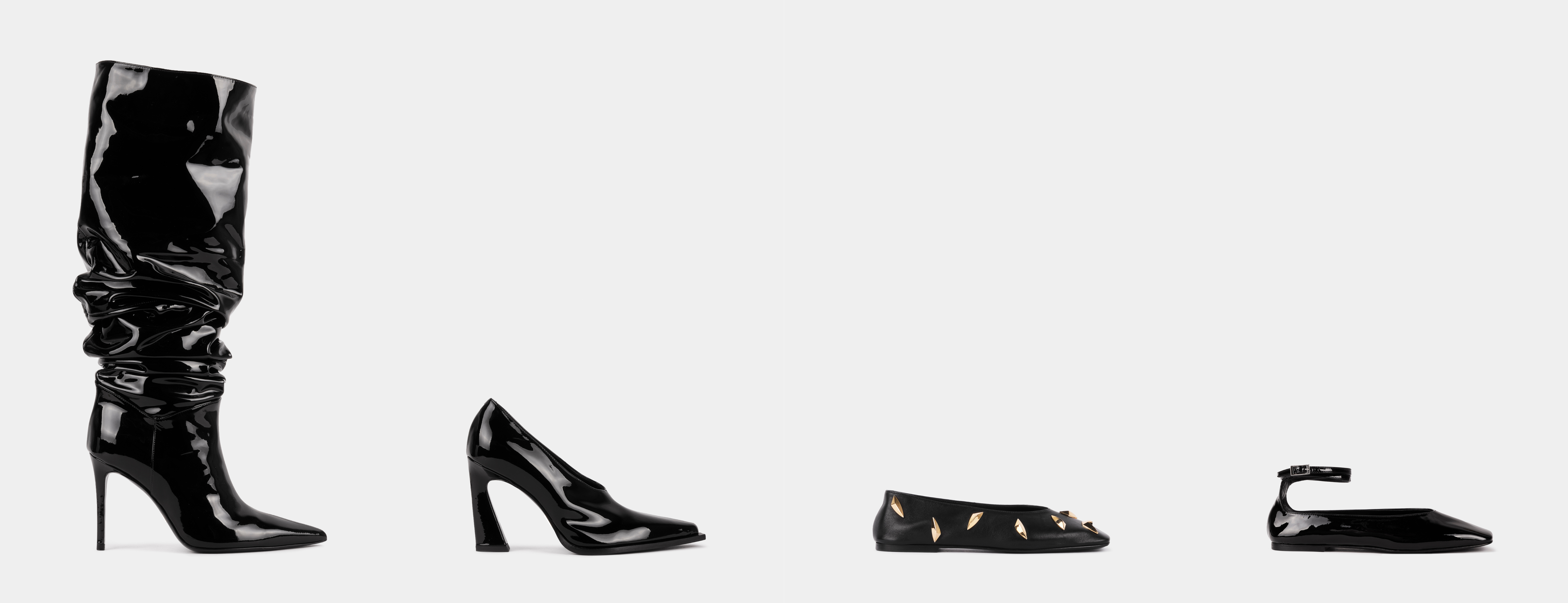
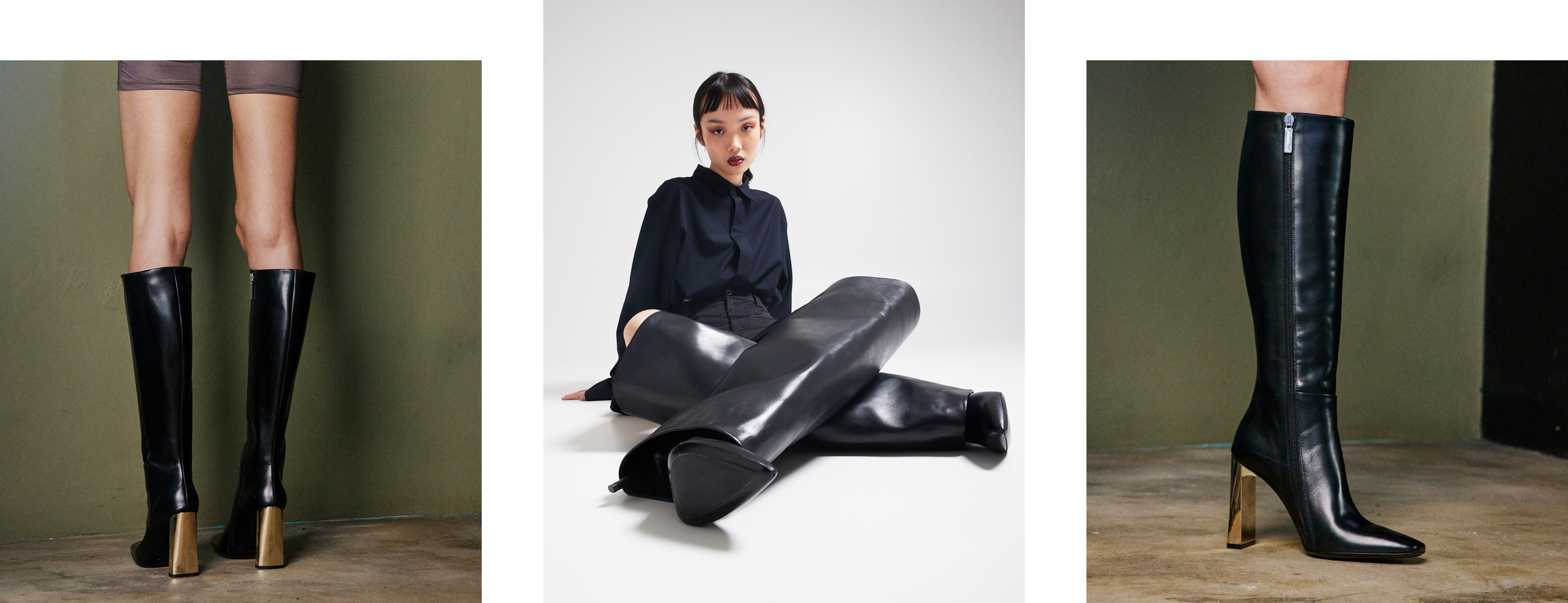
In this insightful interview, Havva Mustafa, a third-generation shoe artisan, designer, and founder of HAVVA, shares her journey from growing up surrounded by her family’s craft to building a footwear brand that blends tradition, innovation, and personal vision. Explore her design philosophy, the challenges she faced in launching her brand, and her thoughts on the future of footwear and the role of creativity in an ever-evolving industry.
Join us as we explore Havva Mustafa’s passion, artistry, and craftsmanship that drive her every step in shaping the next generation of innovative and timeless footwear design.
Can you tell us a bit about your background? How did you find design, and how did you pursue it?
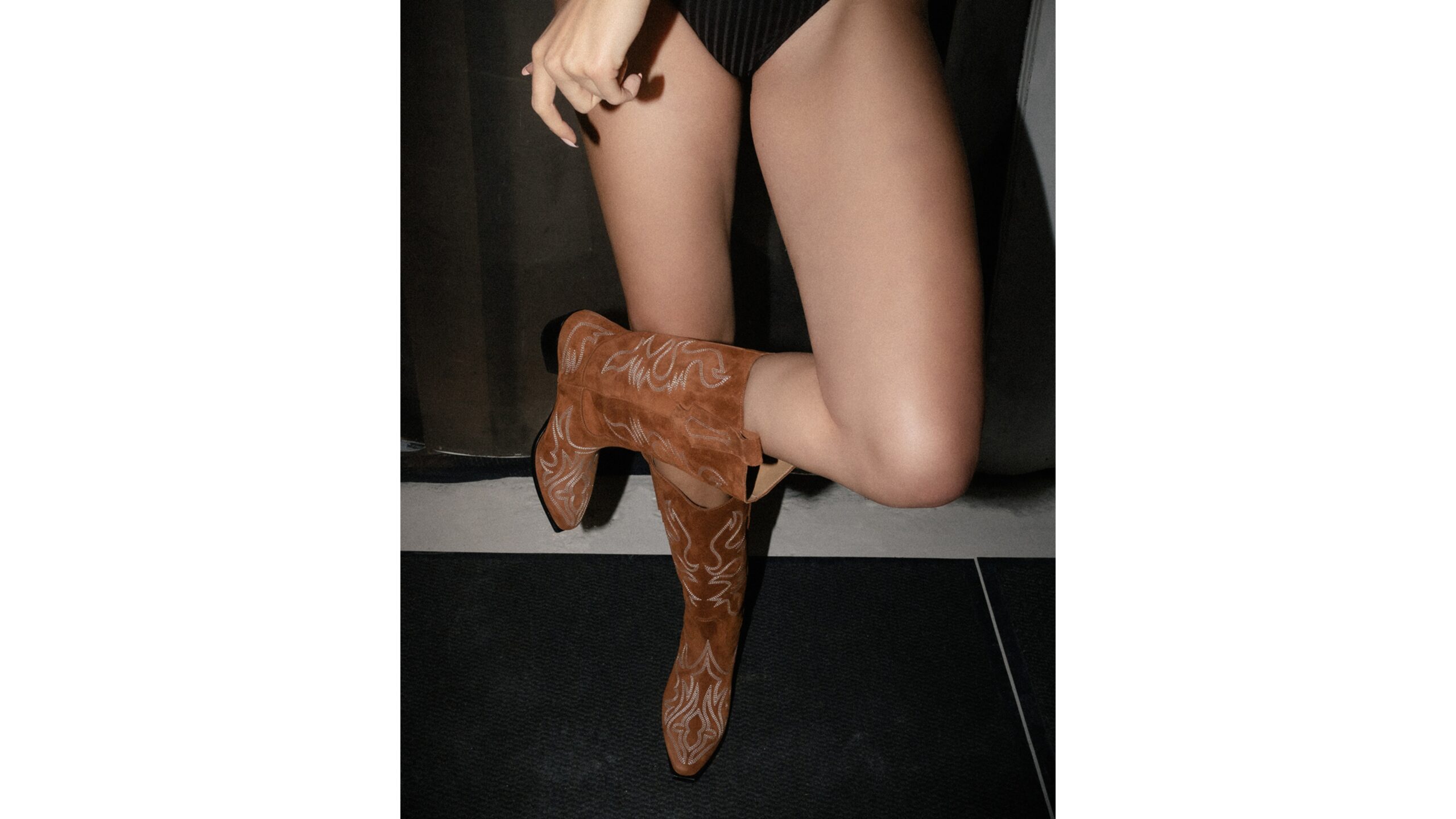
I come from a family of shoe artisans, now in our third generation. My love for footwear began in childhood, surrounded by lasts and constant conversations about shoes. When it came time for university, I naturally chose to study at LCF: Cordwainers Footwear. Afterwards, I worked as a designer for trend-focused brands, but I eventually felt the pull to create something uniquely mine. That’s when I launched my own brand, allowing me to channel my passion for footwear into a personal and creative vision. It felt like the only way to fully express my love and knowledge of shoes.
What would you say is your personal design philosophy? How has this philosophy evolved throughout the years?
As I grew up, my style evolved with me. It’s a journey of discovering who you are and what resonates most. As a brand, we focus on timeless styles that can seamlessly cycle through your wardrobe. Season after season, we aim to offer designs that blend contemporary elegance with a playful spirit. We create for the multifaceted woman—those who lead busy lives and prioritise personal style over fleeting trends.
What inspired you to create your own brand, HAVVA? Can you share some of the challenges you faced and how you overcame them?
I’ve always wanted to create something that was truly my own, to have complete creative freedom in footwear design. After the challenges of COVID and Brexit, we needed to find the right partner who shared our passion. We found that partner in an incredible factory in Italy, and when I first visited, surrounded by the sights and smells of shoes being made, I felt at home again. It was such a relief, especially during a time of uncertainty. That moment marked the beginning of bringing my vision to life once more.
How did you approach the process of differentiating HAVVA from other footwear brands, and what do you think has been key to its success?
We moved away from chasing trends and focused on creating high-quality, thoughtful designs that truly resonate with both us and our customers. Our key has been staying true to what we love and want to see in footwear, rather than constantly reinventing.
Can you share how the legacy of your family’s craft has shaped your identity as a designer and how it influences your work at HAVVA?
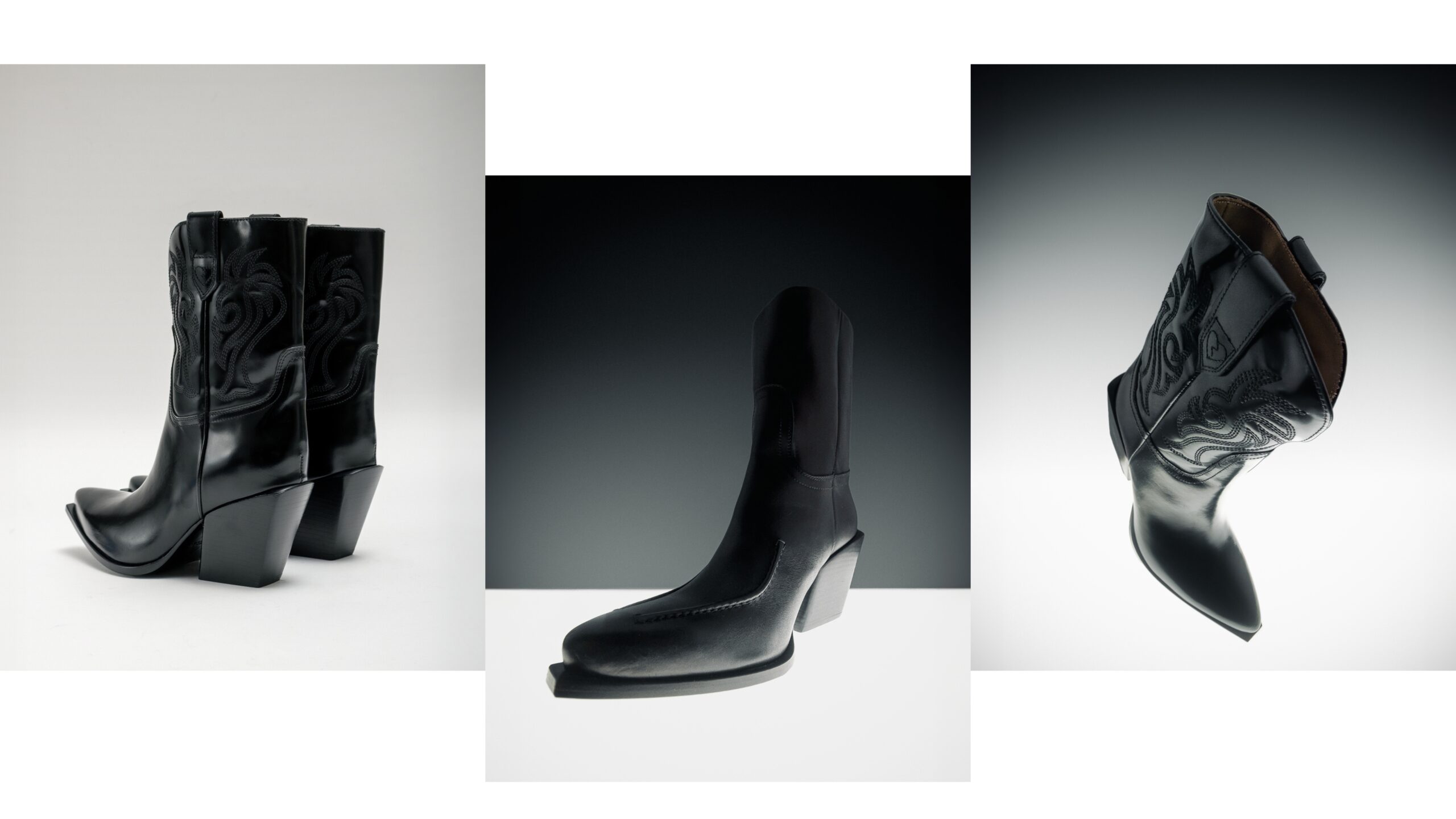
Coming from a lineage of footwear artisans has given me a deep appreciation for the craft. I’m passionate about preserving that legacy—the art of shoemaking is incredibly intricate and beautiful, and I want our customers to understand what goes into making a pair of shoes. It’s about investing in something meaningful. You could buy several pairs of shoes, but one exceptional pair can take you through many stages of life and still be just as valuable years later if cared for.
How has your experience as a footwear designer and brand founder influenced your teaching style? Do you bring insights from your experiences directly into the classroom?
I absolutely love teaching. I teach short courses at the London College of Fashion and Central Saint Martins, as well as BA Footwear at LCF. Seeing students share the same enthusiasm for footwear is incredibly rewarding. I’m honest with them—it’s a tough industry, but if they’re passionate and willing to work hard, they can make it. I encourage them to embrace their individuality because that’s what sets a designer apart. My experiences in the industry definitely shaped my teaching; I want them to leave inspired, but also grounded in the realities of the field.
Could you share a particularly memorable moment of your journey that you still think about to this day?
There are so many memorable moments, but one that stands out was when our shoes were picked up by the international retailer LuisaViaRoma. That was a huge milestone—it felt like validation that we were on the right path. Another unforgettable moment was our first press tour in New York and then returning to London to find multiple publications calling us the “it” brand to watch was surreal. Sharing those achievements with my brother, Ali, made them even more special.
As a jury member for the Global Footwear Awards, what do you prioritize when evaluating designs?
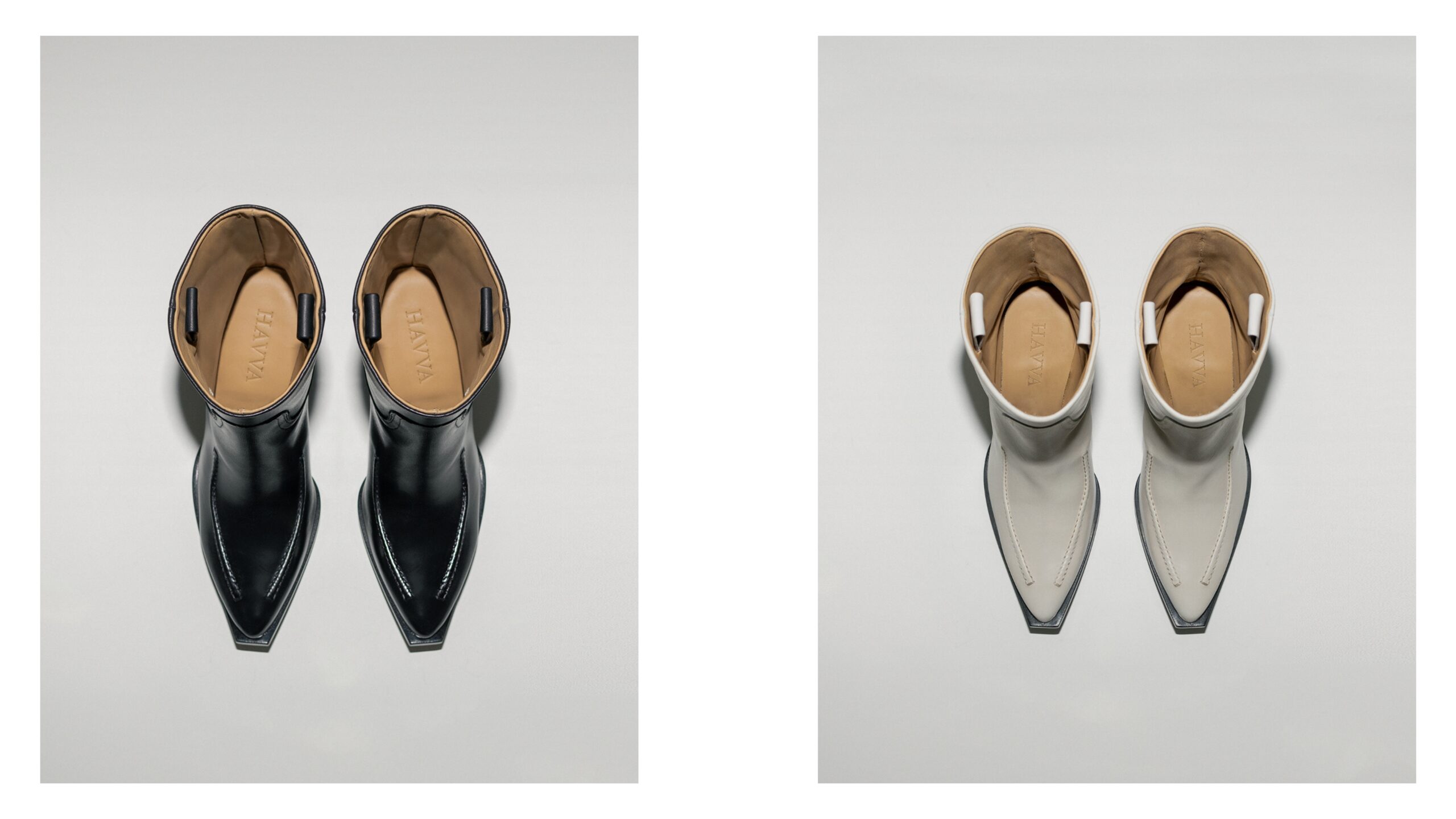
I look at the project as a whole—what’s the story behind the design? What’s the inspiration and purpose? Then I dive into the design itself and consider sustainability, which is so important today. I also think about whether the design is practical and achievable. I’m always excited to see how the future of footwear unfolds through these innovative designers.
What advice would you give to aspiring designers?
Get out there and immerse yourself in the industry. It’s not just about sketching; visit factories, see what’s popular in stores, and attend trade shows to stay on top of the latest developments in materials and design. The more you learn, the better you’ll be at designing. Don’t be afraid to ask questions—like my father says, “If you don’t ask, you don’t get!” Keep evolving, show what you’re capable of, and always be open to feedback. Your journey as a designer is a constant learning process.
What do you envision for the future for yourself and the broader design community?
The world is changing rapidly, and I believe AI will play a significant role in accelerating design and manufacturing processes. However, I don’t think it will ever replace the need for human creativity. Without that human spark, a product lacks soul. With the rise of video-based social media, people are becoming more open about their views on fashion, and the industry feels less like a guarded secret. Consumers are increasingly aware of what they’re buying—they want to know the story and the craftsmanship behind a product, not just its design. That’s why I think it’s essential to highlight the artistry and complexity of footwear craftsmanship. It helps people appreciate the value and care that goes into creating each pair.