
Meet Caroline de Baere whose impressive career spans over three decades of shaping the luxury footwear industry. With a profound commitment to sustainable practices and a wealth of experience in design, product development, manufacturing, and sales, Caroline stands as a key figure at the forefront of innovative design and environmental responsibility. Her work exemplifies the perfect blend of artistry, expertise, and a passion for creating a more sustainable future in fashion.
Caroline’s career is defined by her vast knowledge of every facet of the footwear industry. From branding and concept development to final consumer delivery, she has successfully worked with both large global brands and emerging start-ups. Over the years, her deep industry expertise has expanded beyond design, allowing her to serve as an Intellectual Property expert witness in over two dozen litigation cases since 2012. Her insights into design patents, trademarks, trade secrets, and counterfeit protection have made her a sought-after consultant and a valuable voice in safeguarding creative ownership in fashion. Additionally, Caroline’s contributions to innovation are tangible, as she holds four United States footwear design patents to her name.
Her dedication to nurturing the next generation of designers is just as inspiring. As an Adjunct II Professor of footwear design at the California College of the Arts, Caroline has been a mentor, educator, and advocate for countless young designers. Her work with aspiring talents reflects her passion for the craft and her desire to see a more sustainable, responsible fashion industry emerge. Beyond the classroom, Caroline’s influence extends through public speaking engagements, panel discussions, and lectures across the United States and Asia, where she shares her knowledge at industry events like PI Apparel, SF Sustainable Fashion Week, and the Footwear Distributors & Retailers of America.
In 2024, Caroline’s journey continues to evolve with exciting new initiatives. As a strategic consultant for the United States Footwear Manufacturers Association, she is helping to grow its membership and influence. She is also honored to serve as a juror for the 2024 Global Footwear Awards, where her expertise will help shape the future of design excellence. Additionally, her recent launch of the IP Science: A Brand Protection Masterclass showcases her dedication to empowering designers to protect their work in a competitive industry.
Despite her packed professional life, Caroline finds balance in managing her idyllic Garden View Guest House in Mill Valley, California, where she hosts guests from around the world alongside her twin teenagers. With over 150 glowing five-star reviews, Caroline’s warmth and hospitality shine through in every aspect of her life.
Join us as we uncover Caroline de Baere’s remarkable journey and explore how her unique perspective continues to shape the future of fashion, footwear design, and sustainability.
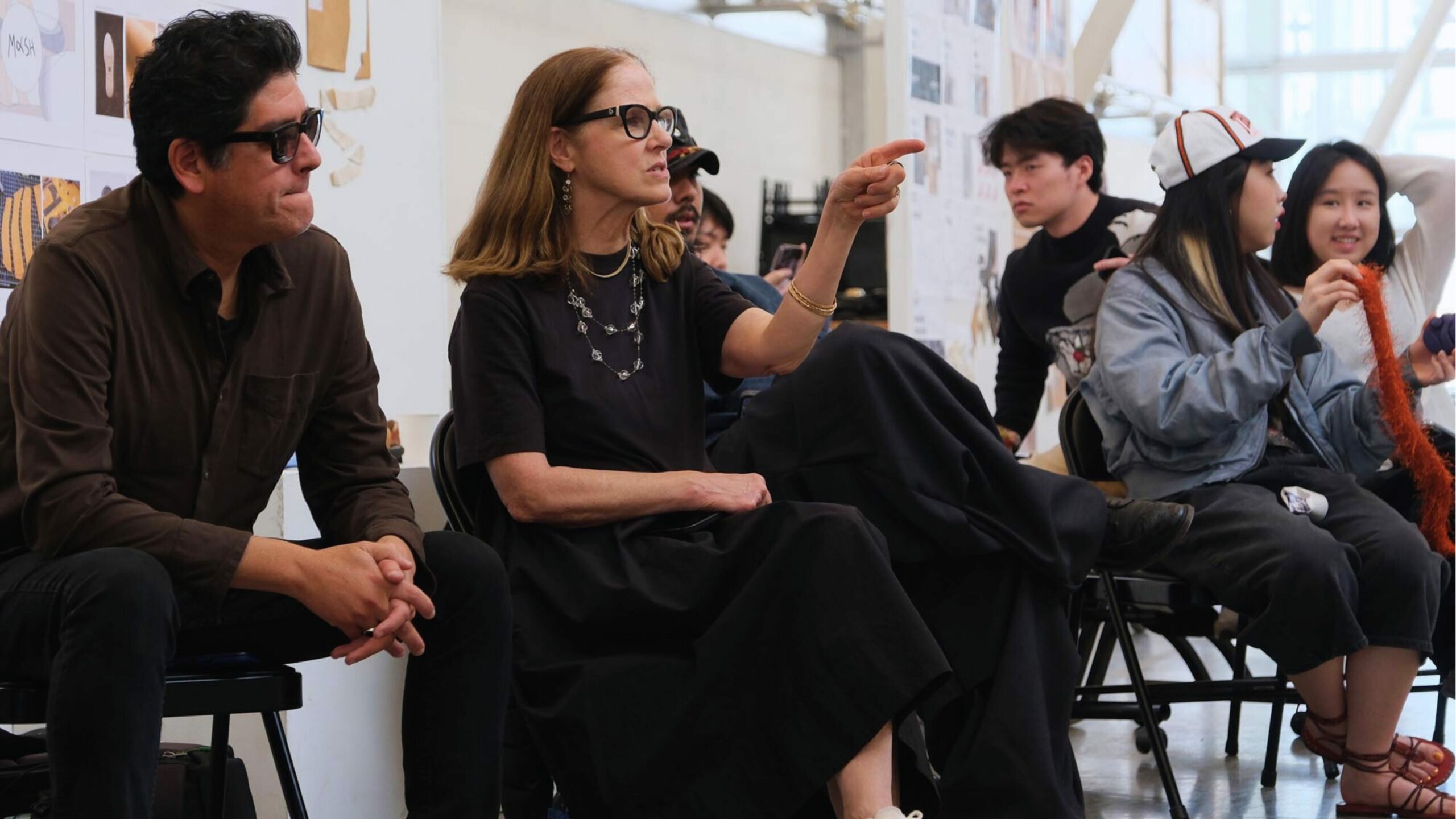
Can you tell us about your background? How did your journey to become such a prominent figure in the design community begin, and where did it take you over the years?
I began my journey in the footwear industry over three decades ago, building a strong foundation in design and product development. My early experience at Ariat International, where I managed product development and design, set the stage for my future success. Over the years, I expanded my expertise through roles that provided a more balanced approach and understanding of the industry overall with roles in sales, operations, and merchandising. I eventually started my consulting business, Laforma, www.laforma.net, where I provided comprehensive industry services in design and management.
My work has led me to collaborate with numerous start-ups as well as larger known brands. Now I continue with clients and have expanded my work to contribute to intellectual property cases as a footwear expert witness, and share my knowledge as an Adjunct Professor, teaching footwear design at California College of the Arts. Through public speaking, mentoring, and education, I’ve become a trusted voice and leader in the design community.
What would you say is your personal artistic philosophy? How has it evolved throughout the years?
My personal artistic philosophy centers on the balance between creativity, communication, and sustainability. I believe design should not only inspire but also serve a practical purpose and be mindful of its environmental impact.
Over the years, this philosophy has evolved, particularly through my teaching and mentoring roles. Guiding students and working with emerging brands has deepened my commitment to freedom of expression, circular design and innovation. I emphasize the importance of research, being unique, collaborating, and continuous learning, allowing my artistic approach to adapt and stay relevant in an ever-changing industry.
You’ve been working closely with the next generations of designers for a while now; can you share some of the new challenges designers face nowadays? What led to these difficulties, and how can they be overcome?
Designers today face challenges that stem from the rapid pace of technological change, increased emphasis on sustainability, and the pressure to stay relevant in a crowded market. The demand for circularity and eco-friendly materials adds complexity to the design process, while advancements in digital tools require constant upskilling.
Additionally, the global nature of the industry presents challenges in sourcing, production, and intellectual property protection. These difficulties can be overcome through education, mentorship, and fostering a mindset of adaptability. By encouraging collaboration, continuous learning, and innovative thinking, designers can navigate these challenges and thrive in this evolving landscape.
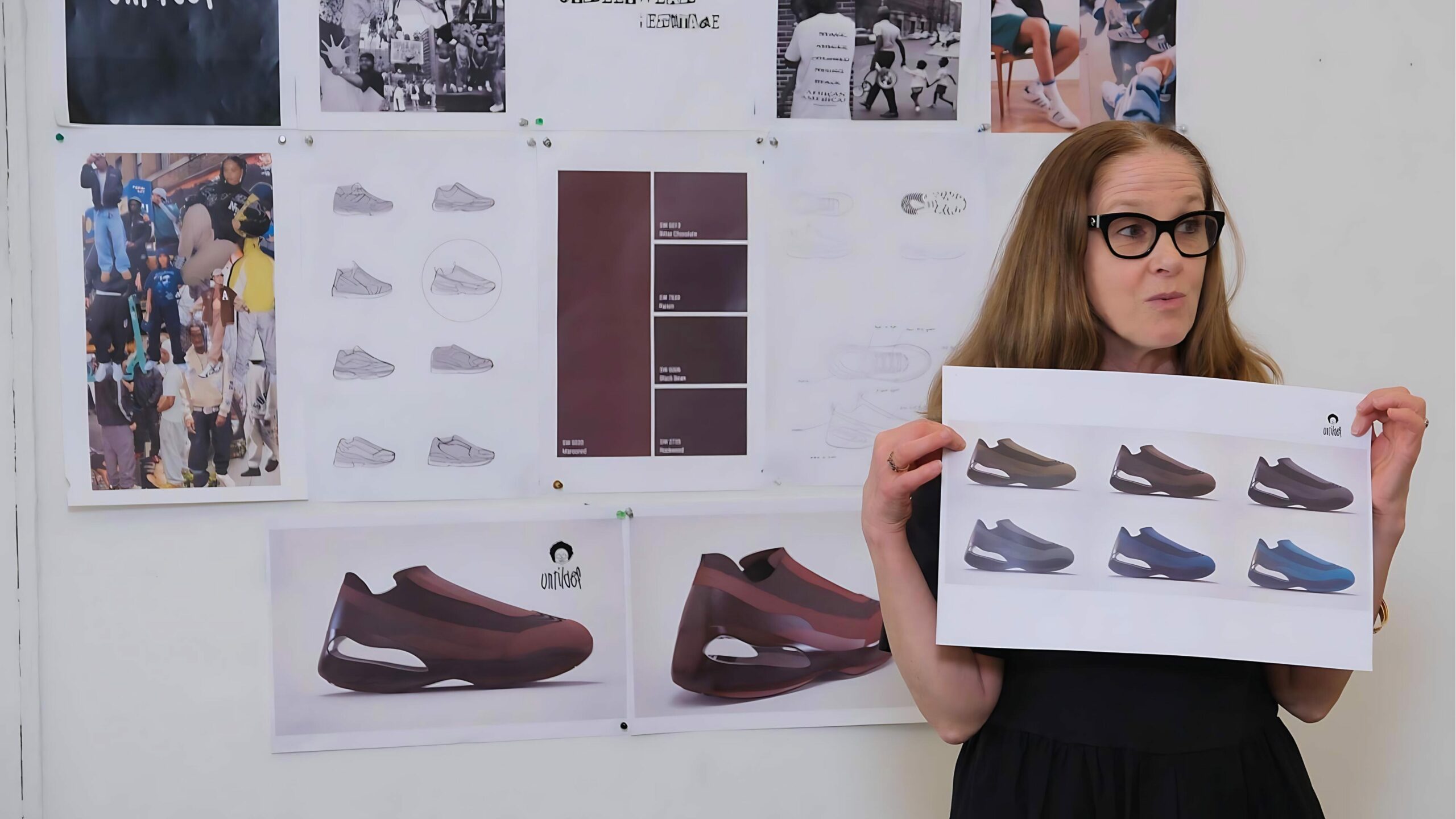
As someone who works both in the creative and business sides of footwear design, how do you balance your artistic vision with market demands?
Balancing artistic vision with market demands requires a strategic approach. I start by grounding my designs in a deep understanding of consumer needs and market trends, ensuring that creativity aligns with commercial viability.
By maintaining close relationships with brands, suppliers, and consumers, I can merge innovative concepts with practical solutions that meet market expectations. Flexibility is key—I’m always ready to adapt designs without sacrificing core artistic values. Through years of experience, I’ve found the ability to deliver products that are both visually appealing and successfully able to meet financial objectives.
Can you tell us about your experience as an expert witness in IP litigation cases? Do you feel like intellectual property rights in the design world are in danger?
As an expert witness in IP litigation since 2011, I’ve had the chance to dive into the essentials of design protection. It’s been fascinating to see how the legal side of creativity works. From patents to trademarks, trade dress, counterfeits, and trade secrets, I’ve worked with attorneys to over three dozen Intellectual Property cases for small and large brands and individuals.
Honestly, I don’t think intellectual property rights are in danger. The systems in place are solid, and as long as designers stay informed and proactive and stay unique through design and innovation, they can protect their work effectively. It’s about being aware of the rules, what’s already out there, and using knowledge to your advantage.
Your career must have given you many good stories and projects that make you the perfect guest at any dinner. Could you tell us about something special you still think about to this day?
One story that always sticks with me is from my early days when I was trying to transition from the production side of footwear into design. I was an International Business major, so I didn’t have the typical design background.
I approached the president of the footwear division at Esprit and told him I wanted to transfer into design. He walked me into the showroom and grabbed a shoe called the Audrey, then went over to the large copy room in the office and handed me a stack of blank paper and a shoe, saying, “Draw this shoe until you can do it with your eyes closed.” That moment changed everything for me. I practiced every day and when a role opened up for a design assistant in footwear, I got the job.
I’m forever grateful that someone had faith in me and gave me that chance. It’s a reminder that sometimes all it takes is actually asking and knowing that one person believing in you may be all you need to kickstart your journey.
One important thing that stands out to me is that the footwear industry is very supportive. I can see people or speak to many I have not seen in 20 or more years, and it is like we saw each other just the week before. We help each other. I have so many amazing friendships with my fellow footwear industry friends that will last a lifetime. We are like a huge family.
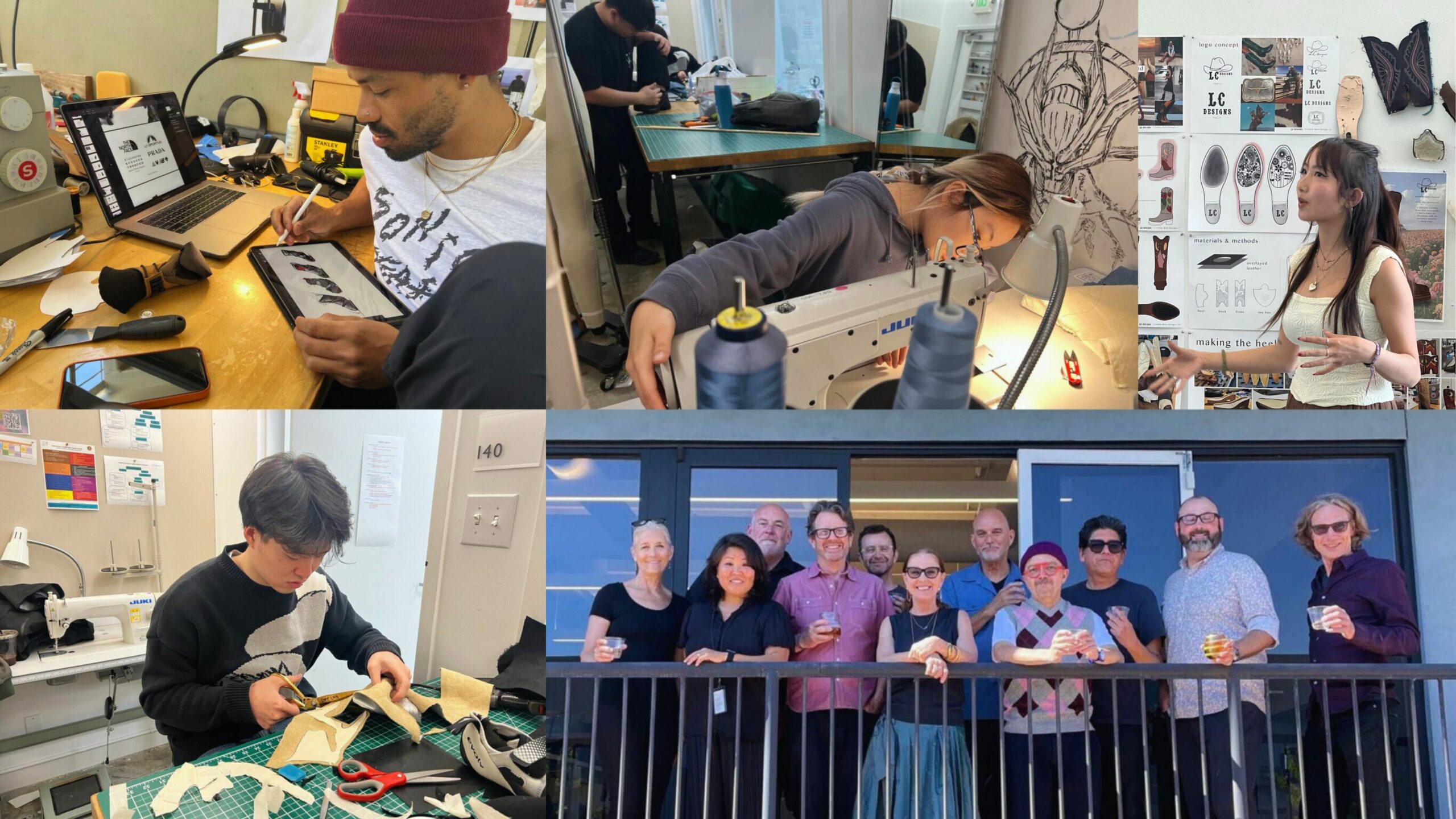
As a jury member for the Global Footwear Awards, what do you prioritise when evaluating designs, and what advice would you give to aspiring designers?
As a jury member for the Global Footwear Awards, I prioritize designs that go beyond just great sketches or renderings. It’s important to consider the whole package—how the design functions, its sustainability, and how well the concept is communicated. A strong design tells a story and has a clear purpose.
For aspiring designers, my biggest advice is to network. Don’t be afraid to ask for connections or recommendations, and always seek out advice from those with experience. The industry is full of people willing to help—you just have to put yourself out there and make those connections.
What do you want to see happening in the future, both for you and for the design community?
After three decades in the industry, I feel it’s the perfect time to give back. For me, that means continuing to teach at California College of the Arts, working as an Intellectual Property expert witness, and sharing my knowledge at industry conferences and through Masterclasses.
I believe it’s crucial to support and mentor the next generation of designers. Looking ahead, I hope to see more collaboration and knowledge-sharing within the design community, fostering an environment where we all lift each other up and push the industry forward together.
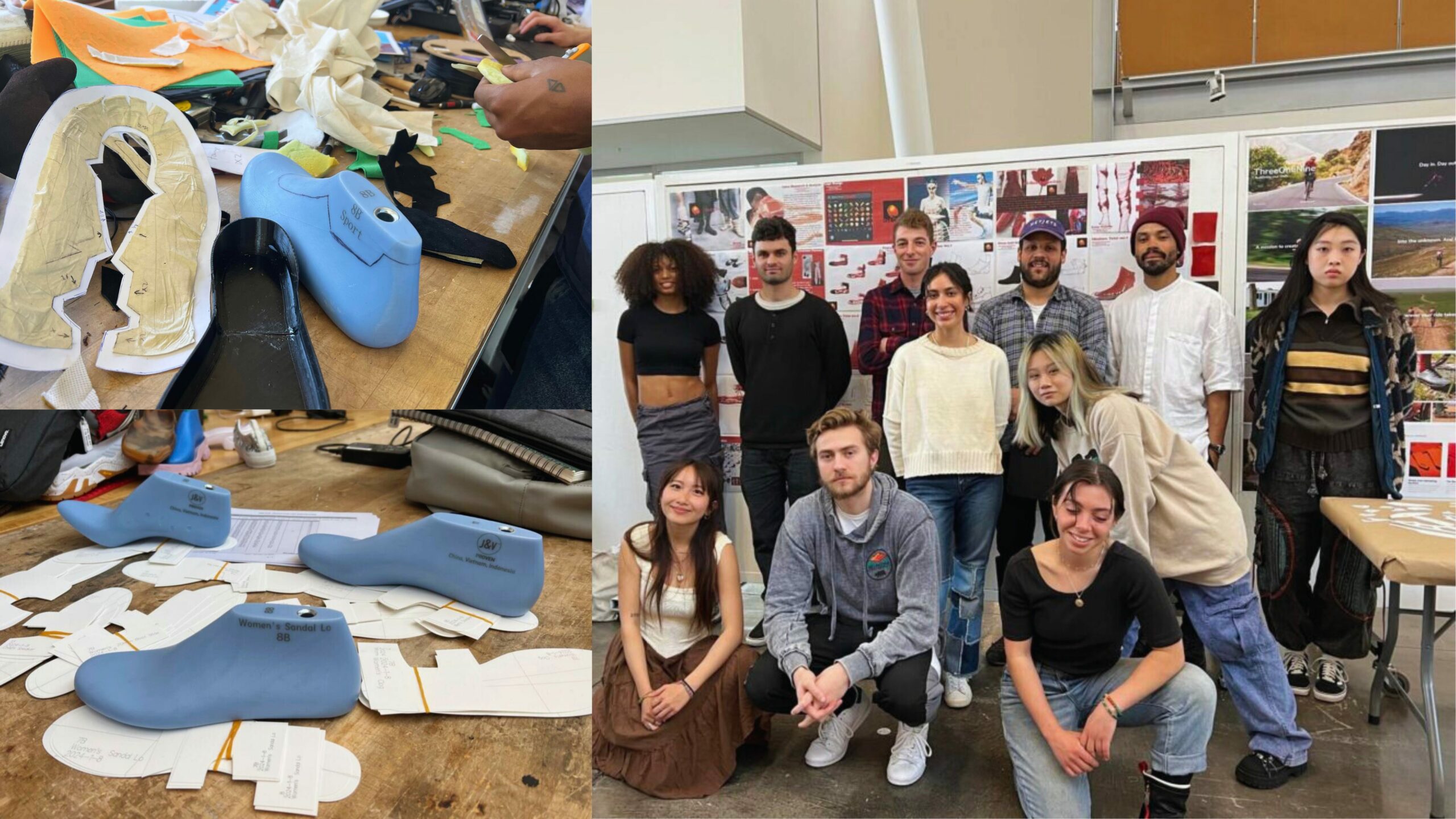
Meet Monica Mei, a visionary in sustainable design and luxury fashion, whose career spans over two decades of creativity, innovation, and collaborations with the world’s most prestigious brands. With a deep-rooted passion for designand sustainability, Monica has carved a niche for herself at the intersection of high fashion and environmental consciousness. From her early days as a young designer in Florence, inspired by her artistic father and the rich cultural heritage surrounding her, to her current role as a Global Footwear Award juror, Monica’s journey is nothing short of remarkable.
Her professional path began after graduating from the Academy of Fine Arts, where her talent for fashion design led to collaborations with legendary names such as Armani, Valentino, and Christian Lacroix. Working across various divisions, including clothing and knitwear, she soon discovered her true passion for footwear and leather goods. Monica’s relentless pursuit of excellence drove her to further her education, ultimately earning a Master’s degree in Accessories and securing her place in the iconic house of Gucci, where her career as a footwear designer truly took off.
Over the years, she honed her craft in the style offices of Prada, Sergio Rossi, Versace, and Fratelli Rossetti, taking on key roles that helped shape the global luxury landscape. Her creations not only contributed to the success of these brands but also established her reputation as a designer who seamlessly blends artistic vision with commercial success. In addition to her high-fashion achievements, Monica has consistently championed sustainable practices, expanding her expertise in fashion sustainability and the circular economy, particularly during the pandemic.
Over the past year, Monica has also had the opportunity to work as a speaker and trend analyst in several international contexts. She was invited to present fashion and footwear trend analyses at events including the CIPEG fair in León, Mexico, and for SATRA in the UK. These contributions focused on exploring macro trends in the fashion and footwear sectors, with an emphasis on atmospheres, historical and cultural references, lifestyle analysis, visual language, and target profiling. She also conducted research into materials, colours, and inspirational imagery to support the creative development of new collections.
Today, as a freelance consultant for both Italian and international brands, Monica continues to push boundaries and redefine what it means to be a designer in the modern era.
In this interview, we delve into how her rich experiences, from the ateliers of Florence to global fashion capitals, have shaped her unique approach to fashion, sustainability, and the future of design. Discover how Monica Mei remains at the forefront of innovation while preserving the timeless elegance that defines her work.
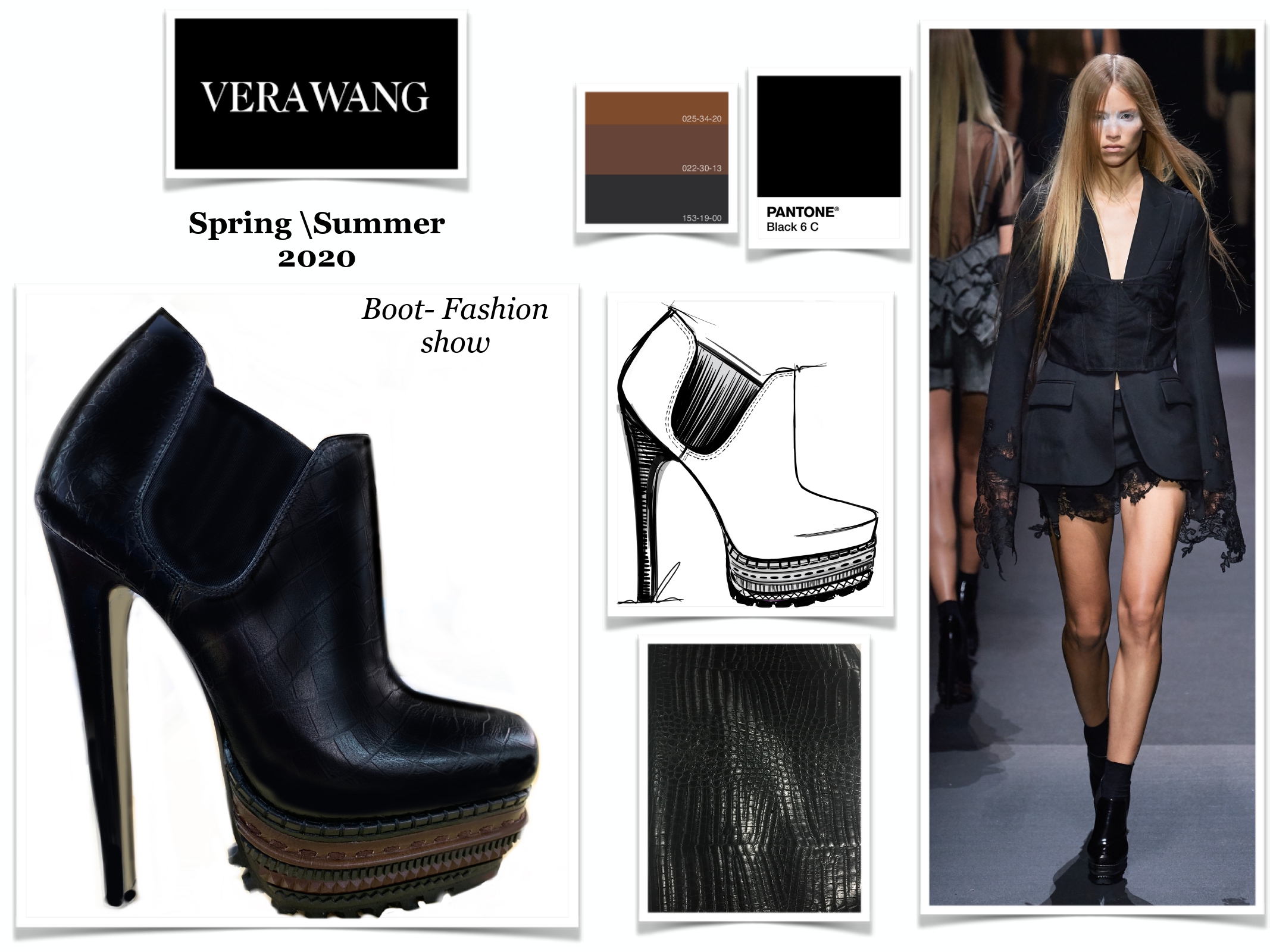
Can you tell us a bit about your background? How did design come to have such an important role in your life and where has it taken you over the years?
Design has always been at the core of my existence. As a child, I was fascinated by how aesthetics and functionality intersected in everyday objects. My passion for fashion started early, with a particular interest in how accessories and footwear could transform an outfit and a person’s confidence. Over the years, this passion has led me to collaborate with some of the most iconic brands, shaping my understanding of design and its potential to influence culture.
What would you say is your personal design philosophy? How has this philosophy evolved throughout your career?
My design philosophy is based on the idea that true beauty lies in simplicity and purpose. Every piece I create must serve a function but also evoke an emotional response. Over the years, I’ve deepened my knowledge of sustainability, completing a master’s degree in sustainability at Bocconi University in Milan. This journey, along with collaborations with luxury brands like Prada, Sergio Rossi, Gucci, and Versace, has enriched my vision, pushing me to consider not just aesthetics, but also the environmental and ethical impact of my work.
Working with such renowned brands like Armani, Valentino, and Christian Lacroix so early in your career must have been quite an enriching experience. Can you tell us about these collaborations and how they influenced your development as a designer?
Collaborating with brands like Armani, Valentino, and Christian Lacroix early in my career was an incredibly enriching experience. However, it was the luxury brands such as Prada, Sergio Rossi, Gucci, and Versace that provided the most significant input for improving my work. These collaborations taught me the importance of pushing the boundaries of design while maintaining a strong connection to craftsmanship and timeless elegance.
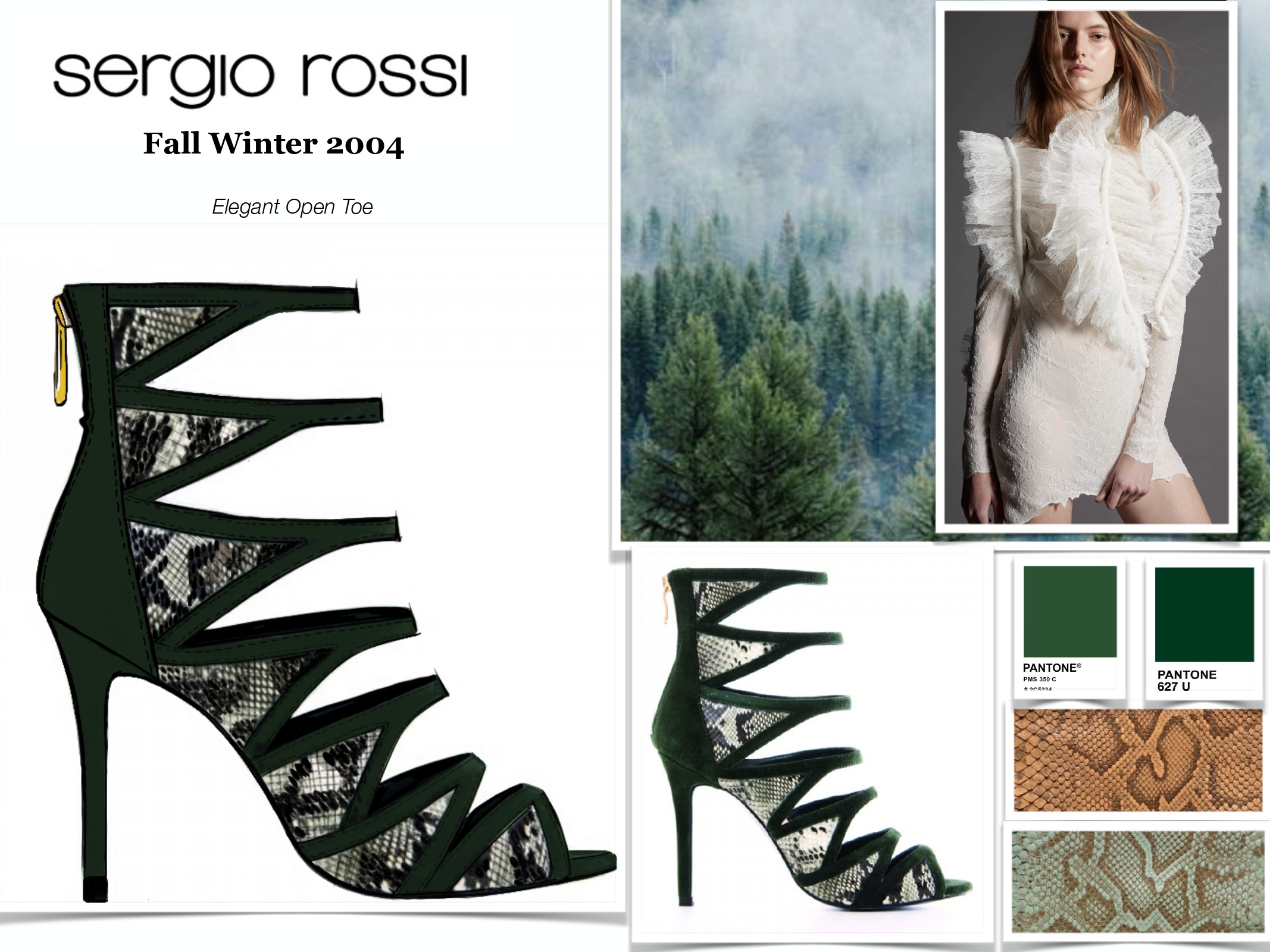
You have a great interest in fashion sustainability and circular economy, how do you integrate this into your current projects?
I have a strong interest in sustainability in fashion and the circular economy, topics I delved into during my master’s degree in sustainability. I integrate these principles into all my current projects, using materials from sustainable sources and committing to reducing waste during production.
What are some key trends in footwear and accessories design that you are excited about right now? How do you see these trends evolving in the next few years?
Currently, some of the key trends in footwear and accessories design that excite me are the use of innovative and sustainable materials, along with a return to more classic forms reinterpreted in a modern way. In the coming years, I see these trends evolving towards greater personalization and even more responsible and transparent design.
Your work has been praised across various brands and markets. What do you believe make your designs stand out and resonate with both the brands and their customers?
I believe what makes my designs unique is the combination of aesthetics, functionality, and sustainability. I strive to create pieces that are not only visually appealing but also offer real value to clients. My collaborations with luxury brands have always aimed to find a balance between innovation and tradition, and I believe this approach resonates with people.
Could you share a particularly memorable experience from your work that you still think about to this day?
A particularly memorable experience was the first time I saw one of my designs worn on an international fashion runway. It was a moment of great pride, a recognition of all the hard work and dedication I’ve put into my craft. Every time I think about it, I’m reminded of why I love doing what I do.
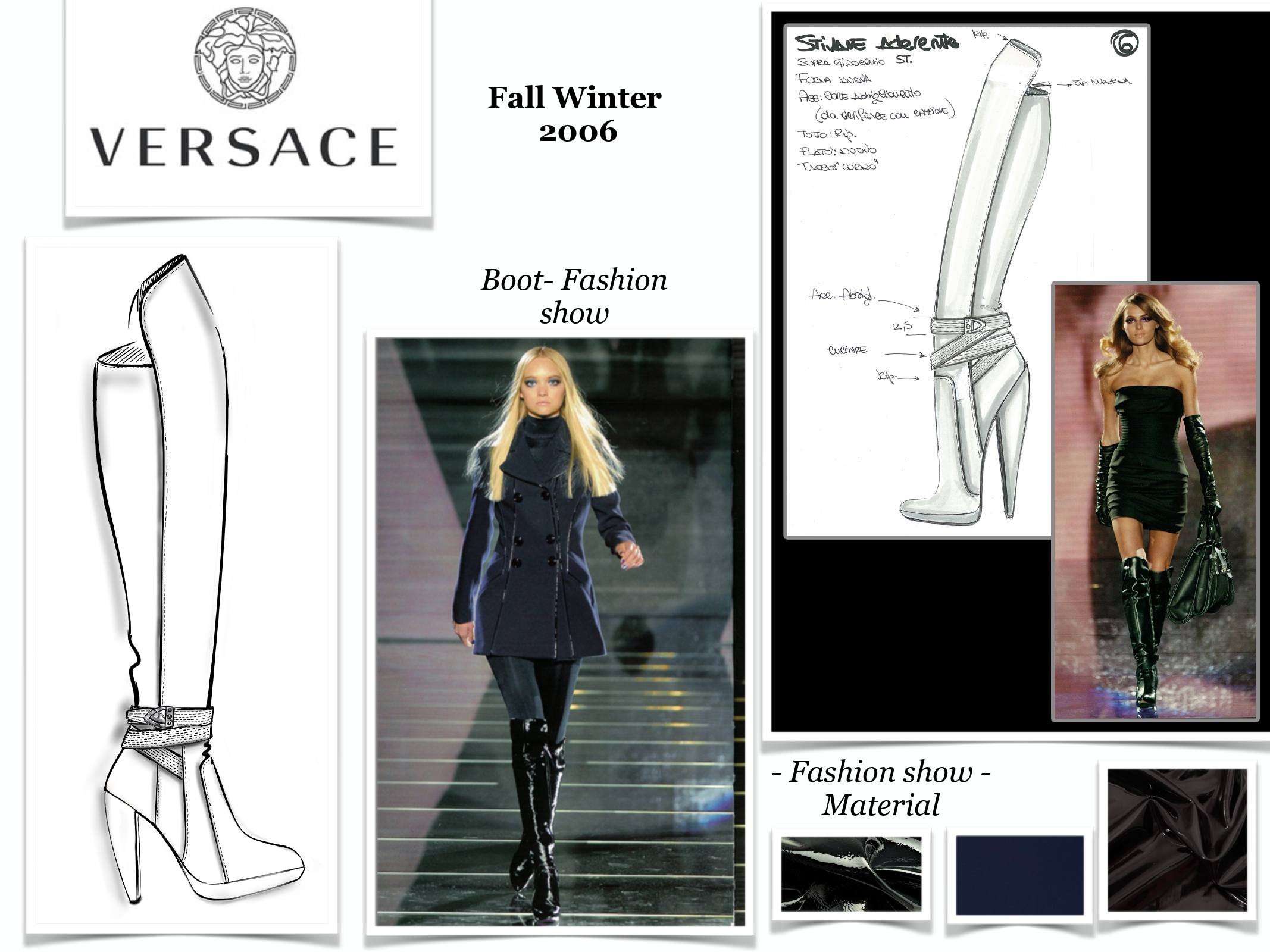
As a jury member for the Global Footwear Awards, what do you prioritise when evaluating designs? What advice would you give to aspiring designers who look up to you?
As a jury member for the Global Footwear Awards, I prioritize originality, sustainability, and the ability of a design to tell a story. My advice for aspiring designers is to be bold, to explore new ideas without fear, and to stay true to their vision, while never losing sight of the importance of quality and innovation.
What do you envision for the future, both for yourself and for the broader design community?
For the future, I envision a design world increasingly oriented towards sustainability and inclusivity. As for myself, I will continue to explore new materials and technologies, seeking to push the boundaries of responsible design. I’m excited to see how our industry will evolve and how we can all contribute to a better future through design.
Meet Robbie Fuller, a self-professed sneakerhead. With a degree in industrial design and extensive experience at Converse, Adidas, ANTA, and FILA, Robbie Fuller holds over 60 patents and has made a significant impact on the sporting goods industry. His design philosophy centres on bridging brand and consumer needs, balancing cost with vision, and driving innovation. Ranked among the most influential figures in the industry by Complex magazine, he has spearheaded groundbreaking projects like the Adidas Crazylight, the lightest basketball shoe of its time.
As a Global Footwear Award jury, Robbie brings his wealth of experience and passion for innovation, always seeking out iconic and daring designs. Looking to the future, he envisions AI and other technologies transforming the design process, enhancing creativity and efficiency.
In this interview, we delve into Robbie’s inspiring journey from North Carolina to global recognition, his innovative design philosophy, and his impactful work with industry-leading brands.

Can you tell us about your background? How did your journey to become such a prominent figure in the design community begin, and where did it take you over the years?
My journey started in North Carolina, in the southeast of the US. I was fortunate to live only a few miles from the first ever Michael Jordan store where they gave out key chains with small sketched shoes at the grand opening in the mid 80s. This introduced my friends and I to the idea that shoe design is a real career and could be a great future. From there I was tipped off by a Converse designer ( long story) that industrial design was the degree to get. After getting the degree in 2000, several brands were hiring. I went with my Adidas offer! This choice led me to the opportunity to live in Germany. That choice led to years of development trips to China, which enabled me to be willing to accept a role with ANTA in China, and that led to the ability to travel all over the world expanding their business. So at this point, this career has taken me to more than 30 countries, it’s enabled me to hang out with world class athletes and creatives, and ultimately give me a platform to play a role in shaping culture in the sporting goods industry.
What would you say is your personal design philosophy? How has this philosophy evolved throughout the years?
Good question, I would say my philosophy is that I’m always trying to be a “BRIDGE” between brand and consumer, between cost and vision, and between needs and wants. I strive to find HARMONY in design. Just like great music, there needs to be a hierarchy. Something must be the lead, then other things need to support the lead. To this day, this philosophy still delivers results.
With more than 60 patents to your name, innovation and creativity clearly play a huge role in your work. Can you walk us through the process of developing a project?
They’re all different. Some projects break new ground which requires a certain process, and others reinvent an existing idea which requires a deep understanding of the DNA of the previous model and its shortcomings so that you know what to improve on. For me, I just want to know the goal and then overachieve on it. There’s a great quote that says, “Your direction is more important than your speed, many designers are going the wrong way fast”. So, the best process starts with a clear understanding of the goal. Then after that, give it all you’ve got!
Complex magazine ranked you as high as the 22nd most influential person in sporting goods at a point during your career, what does this recognition mean to you? How do you keep pushing through in such a competitive industry?
It was an honour. I think you have to be humble about it. If I wasn’t allocated such high-profile projects where I got to work with great partners and be inspired by world class athletes, who knows what the outcomes and notoriety would have been. From my experience in this industry, it’s nearly impossible to guarantee success. You just have to do great stuff and hope that “luck” happens. I always mention the amazing coincidence that the fastest human of all time’s name is BOLT. That’s unbelievable! So as I say, just stay focused, work hard, and do your best and you will put yourself in a position for recognition and accolades to find you.
Having worked with iconic brands like Converse, Adidas, and now Anta Sports, you’ve been part of numerous groundbreaking projects. Could you share a particularly memorable experience from your work that you still think about to this day?
As you mentioned I’ve been a part of several projects, each with their unique circumstances, deliverables, etc. I think the most memorable ones are the ones that do something “ first”. For example, the Adidas Crazylight project had the goal to be the lightest basketball shoe ever at under 10 oz. We achieved the goal but only by having the innovation team set such an outlandish goal for itself where they were pushed to invent several new lightweight crafts that, in turn, enabled the team and I to achieve the goal of getting the concept to the athlete at an attainable price! So, to this day I ask myself, is the target wild enough to push the team and I to our limits of creativity? If so great, if not then rethink the dream!
How do you see the role of sustainability evolving in sneaker design and production, and what steps are you taking to promote sustainable practices?
I see sustainability really as a push towards having designers truly understand the full process of “making”. The responsibilities of it, the power you yield when you create a vision and ask others to help you realize it. As you better understand the “ask” you will undoubtedly begin making better decisions. You will also alter how you measure success, and what decisions you make, and ultimately take you down a path of creating more sustainable products. As for myself, over my career, I’ve been a part of projects and initiatives where we used renewable based materials, adjusted patterns for better yields, and also reduced processes to simplify the project’s downstream effects. There are several projects on the horizon I’m involved with that will have breakthroughs in sustainability for product, process, retail and beyond!
As a jury member for the Global Footwear Awards, what do you prioritise when evaluating designs? What advice would you give to aspiring designers?
I’m always looking for an icon. Something memorable, simplified, and focused. And secondly, and just as important, I’m looking to see how unique the icon is. Is it “ on trend” or is it setting a new standard? I also look for emotion in the design. Is it perfect but heartless, or is it slightly flawed but daring? I’ll take daring any day of the week!
What do you envision for the future, both for yourself and for the broader design community?
For the design community, I see AI and other tools blending into designers’ work processes, igniting new ideas, and unintentionally sparking new creative combinations, and we will see efficiencies in “making” like never before. For myself, I too am embracing these new tools, and doing my best to blend them with my real world experiences, with new cultures’ wants/needs and as always trying to be the best designer and creator I can be.
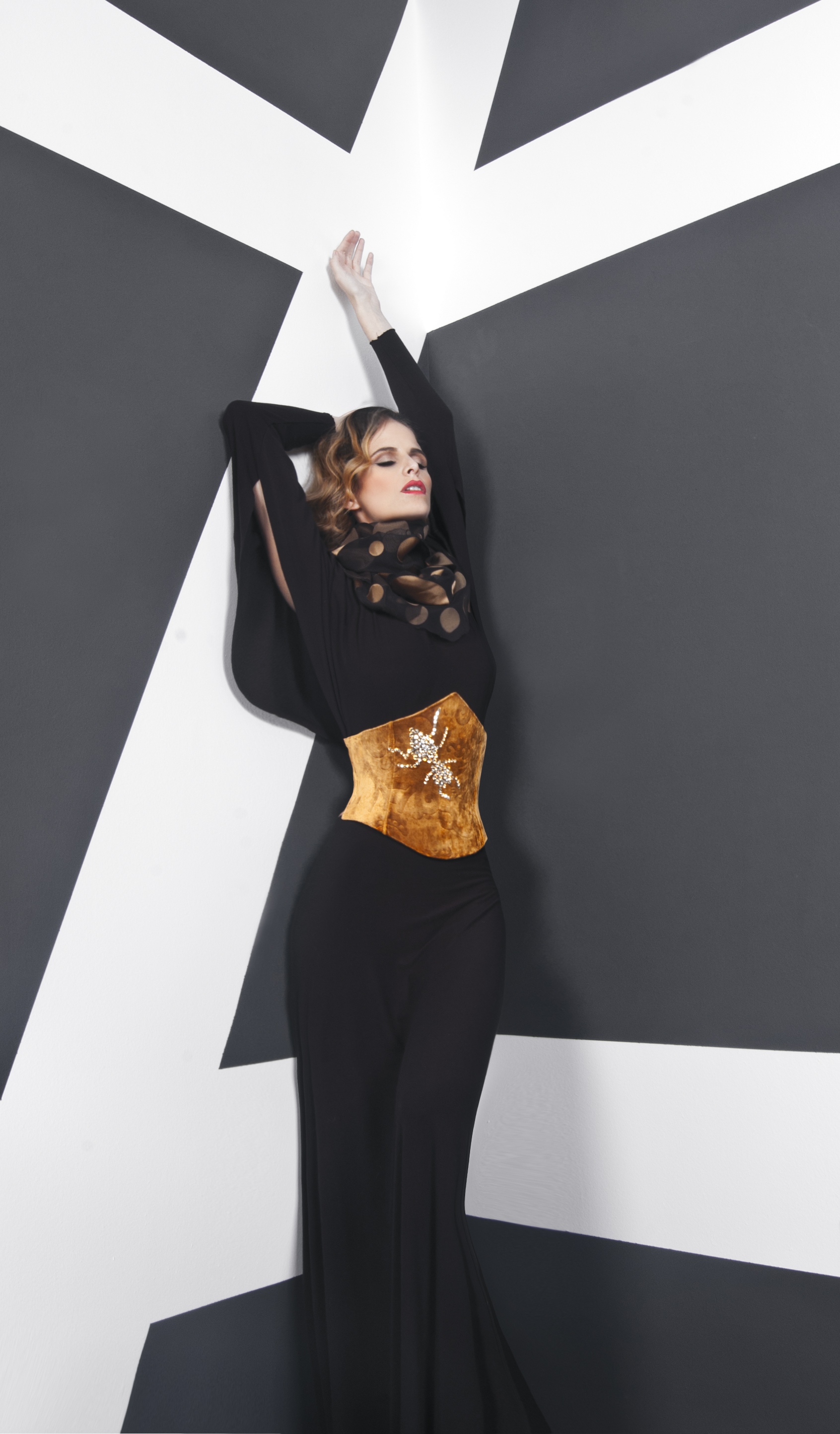
We are delighted to feature Luis Valenzuela, a distinguished member of the Global Footwear Awards. Luis Valenzuela, a trailblazer in the design and art community, has dedicated his career to merging creativity with sustainability. With a rich artistic heritage and over three decades of experience, Luis has made significant strides in fashion, art education, and eco-friendly practices.
From founding the MIAMI Shoe Museum to launching the world’s first EcoArtFashion Week™, his work continues to inspire and shape the future of design. In this exclusive interview with the Global Footwear Awards, Luis shares insights into his journey, philosophy, and vision for the future of the design industry.
In this interview, we explore Luis Valenzuela’s remarkable journey from his artistic roots in Venezuela to becoming a pioneering force in sustainable design. We discuss his innovative projects, including the MIAMI Shoe Museum, his philosophy on art and education, and his impact on the design community. Luis also shares his insights as a jury member for the Global Footwear Awards, offering advice to aspiring designers and reflecting on the future of the industry.

Can you tell us about your background? How did your journey to become such a prominent figure in the design community begin, and where did it take you over the years?
My journey in the design and art community began in Caracas, Venezuela, where I was born into a family with a rich artistic tradition spanning four generations. Throughout my career, I have embraced diverse roles, including Master Teaching Artist, Visual Artist, Fashion Designer, and Journalist, rooted in a deep commitment to Art and Design Education. My path led me to pioneer sustainable practices in the arts, founding EarthDayMiami in 2007 and launching the world’s first EcoArtFashion Week™ in 2010, which was later reimagined as The Art of Fashion Show™, emphasizing fashion as a form of enduring art. In 2016, I founded The Creators Lab in Wynwood, Miami, a New Media Art research center dedicated to exploring the intersection of art, design, and technology. With over three decades of teaching experience, I have fostered student creativity through roles with institutions like Arts for Learning Miami Chapter and as Director of Education at the Coral Gables Museum and Florida Grand Opera. In 2022, after 17 years of collecting historical footwear, I established the MIAMI Shoe Museum, showcasing a collection of over 800 historical shoes to educate and inspire through the lens of footwear design history. My career reflects a profound dedication to advancing art education and embracing innovative design inspired by history.
What would you say is your personal artistic philosophy? How has it evolved throughout the years?
My artistic philosophy is deeply rooted in the belief that art and design are not merely forms of expression but are pivotal educational tools that bridge historical and contemporary perspectives. Initially influenced by my family’s four-generation legacy in the arts, I’ve always valued the transformative power of creativity. As my career progressed, primarily through my experiences teaching and directing educational programs at major institutions, I refined my approach to emphasize the academic impact of art and design. Establishing the MIAMI Shoe Museum was a culmination of these beliefs—demonstrating how art can preserve cultural heritage and inspire future generations. My philosophy has evolved from focusing on traditional artistic expression to a broader, more inclusive perspective that embraces innovation, education, and sustainability. Each step in my career has been a building block in developing a dynamic approach that seeks to challenge, educate, and inspire through art.
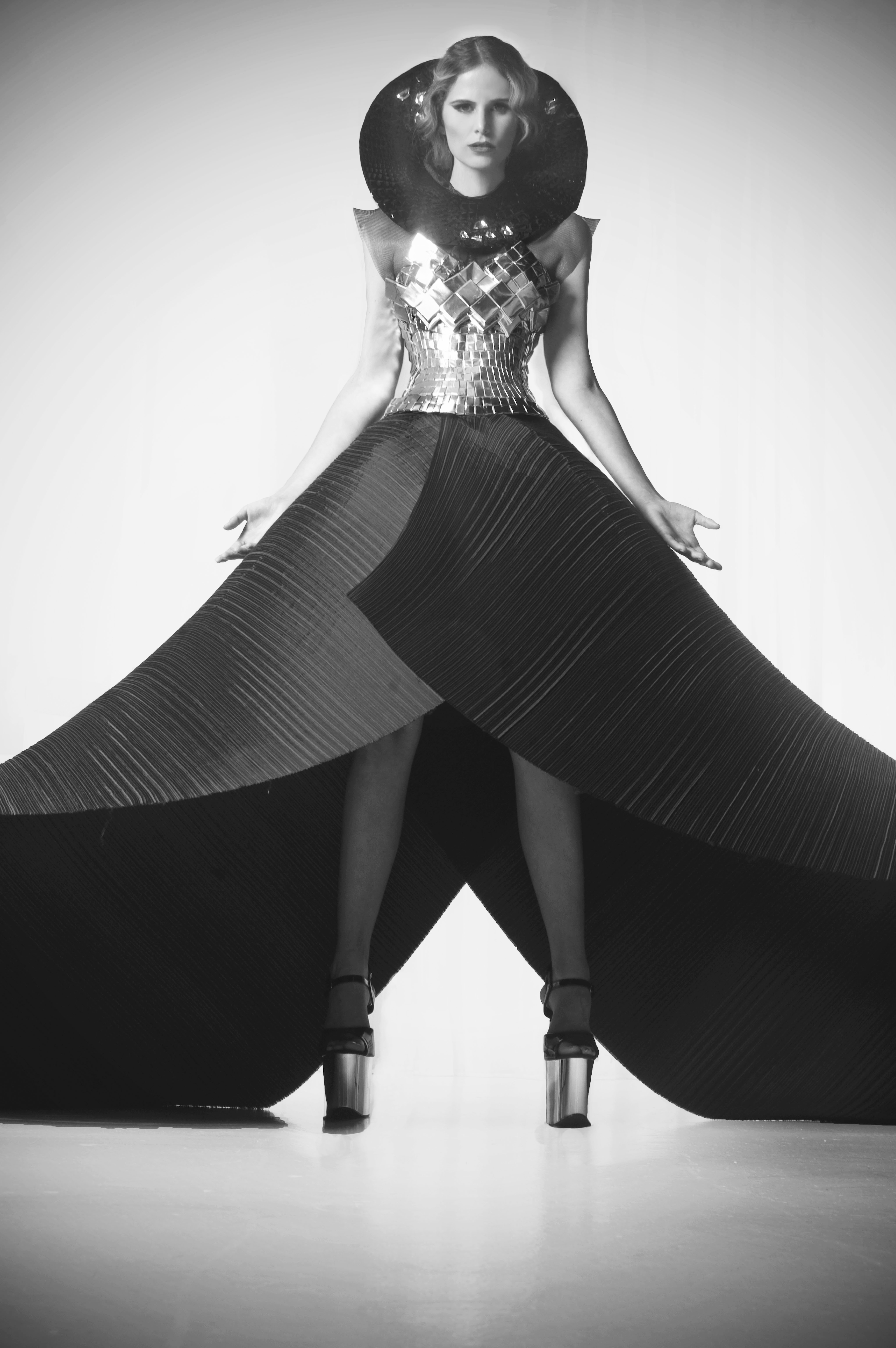
You’ve worked in several areas, such as fashion design and journalism. How does this experience influence your creative process?
My career spanning fashion design, journalism, and visual arts has profoundly influenced my creative process, instilling a multidimensional approach that integrates various forms of expression and communication. As a fashion designer, I learned the art of storytelling through materials and garments, focusing on how each piece conveys a narrative and evokes emotions. This design aspect has helped me think deeply about the user experience and the messages my work communicates. Journalism has sharpened my ability to research, observe, and document the world around me, skills that are crucial in conceptualizing and contextualizing my art. It taught me to be curious and thorough, ensuring that every creative decision is well-informed and purposeful. Additionally, my extensive background in art education allows me to incorporate pedagogical elements into my work, making it accessible and educational. This experience has cultivated my ability to engage audiences, inviting viewers to observe, interact with, and learn from the art. These disciplines have fostered a holistic creative process where each project amalgamates aesthetic beauty, meaningful content, and educational value. This approach reflects my artistic philosophy and continually pushes me to explore new boundaries and possibilities within the art and design world.
You are someone who takes great care in ensuring that your art and designs are always level A graded when it comes to sustainability. Can you tell us how the green mindset became so important for you?
My commitment to sustainability stems from a deep-seated belief in the responsibility of artists and designers to foster a healthier planet. This green mindset was catalyzed by my early experiences in Caracas, Venezuela, surrounded by a rich natural landscape and a family dedicated to artistic pursuits that respected and reflected the environment. In 2007, this commitment took a more formal shape when I founded EarthDayMiami, an initiative that marked my entry into sustainable art and design. This venture was driven by my realization of the fashion and art industries’ significant impact on our environment. Witnessing the often-wasteful practices in these fields, I felt compelled to pioneer alternative, eco-friendly approaches. The launch of EcoArtFashion Week™ in 2010 was a pivotal moment. It allowed me to merge my artistic vision with sustainable practices on a global stage. This platform showcased fashion that respects the earth and promoted the idea that sustainability can coexist with luxury and aesthetics. My dedication to a green philosophy has been about adhering to eco-friendly practices and educating others. Through my roles in educational institutions and community programs, I have emphasized the importance of sustainability, teaching the next generation of artists and designers the value of environmental stewardship through creative expression. The green mindset is integral to my work because it aligns with my belief that art and fashion are not just about creating beauty but also about contributing positively to the world.
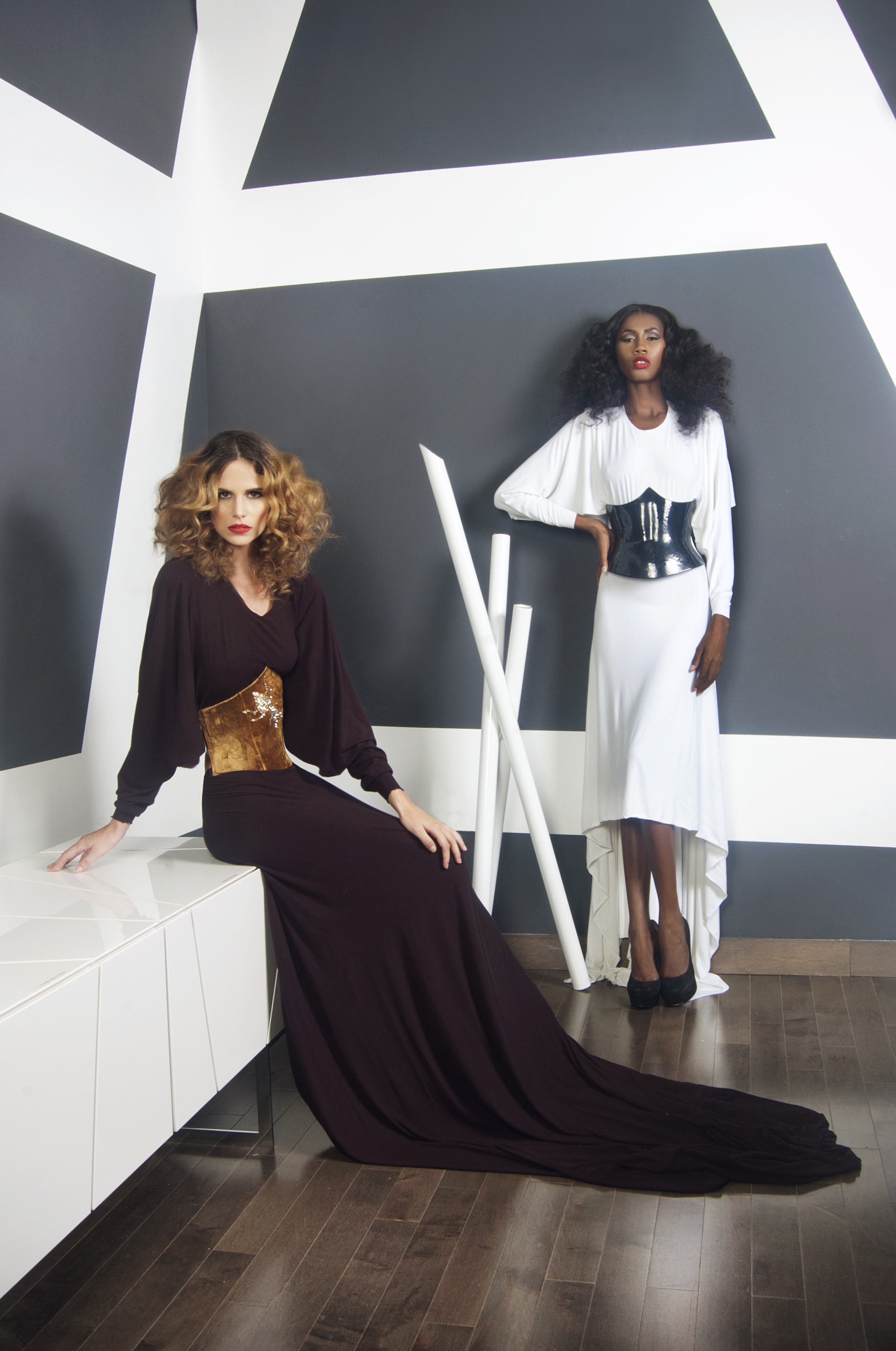
Could you share the story behind the creation of the MIAMI Shoe Museum? How big do you think its impact has been in the design community since opening its doors?
The MIAMI Shoe Museum’s inception, particularly the establishment of its new Research Center, was born from a deep personal passion for footwear and its historical relevance. Over 17 years, I gathered nearly 900 historic shoes, recognizing the need to preserve these artefacts not just as fashion items but as cultural markers reflecting the evolution of design, technology, and society.
What began as a virtual museum in 2022 became a physical Research Center in downtown Miami in 2024. It is a space dedicated to research, educational programming, and public engagement with footwear heritage. The center provides designers, students, and scholars access to rich archives and immersive programming that enhances understanding of past and present design practices.
Since its opening, the MIAMI Shoe Museum Research Center has had a measurable and meaningful impact on the design community. It has sparked new academic and creative investigations, inspired more sustainable approaches to design, and created a collaborative environment where history informs innovation.
The MIAMI Shoe Museum is a pivotal institution in the global design landscape. It inspires new ideas and practices that bridge the past with the future of footwear design. It demonstrates how cultural preservation and innovation can go hand in hand.
How have the many collaborations you’ve been part of throughout your career influenced your approach to design and art?
Collaborations have been a cornerstone of my career, profoundly influencing my approach to design and art. Working with diverse teams and institutions such as the Lowe Art Museum, Miami Art Museum (now PAMM), and the Kennedy Center in Washington DC, among others, has broadened my perspective and enriched my creative process. Each collaboration has brought unique insights and challenges, pushing me to innovate and adapt. These experiences have taught me the value of combining different viewpoints and expertise, resulting in more affluent, more impactful designs. Collaborating with private labels like SWAROVSKI and Bloomingdale’s has also honed my ability to blend commercial appeal with artistic integrity, ensuring my work resonates with a broad audience while maintaining its unique essence.
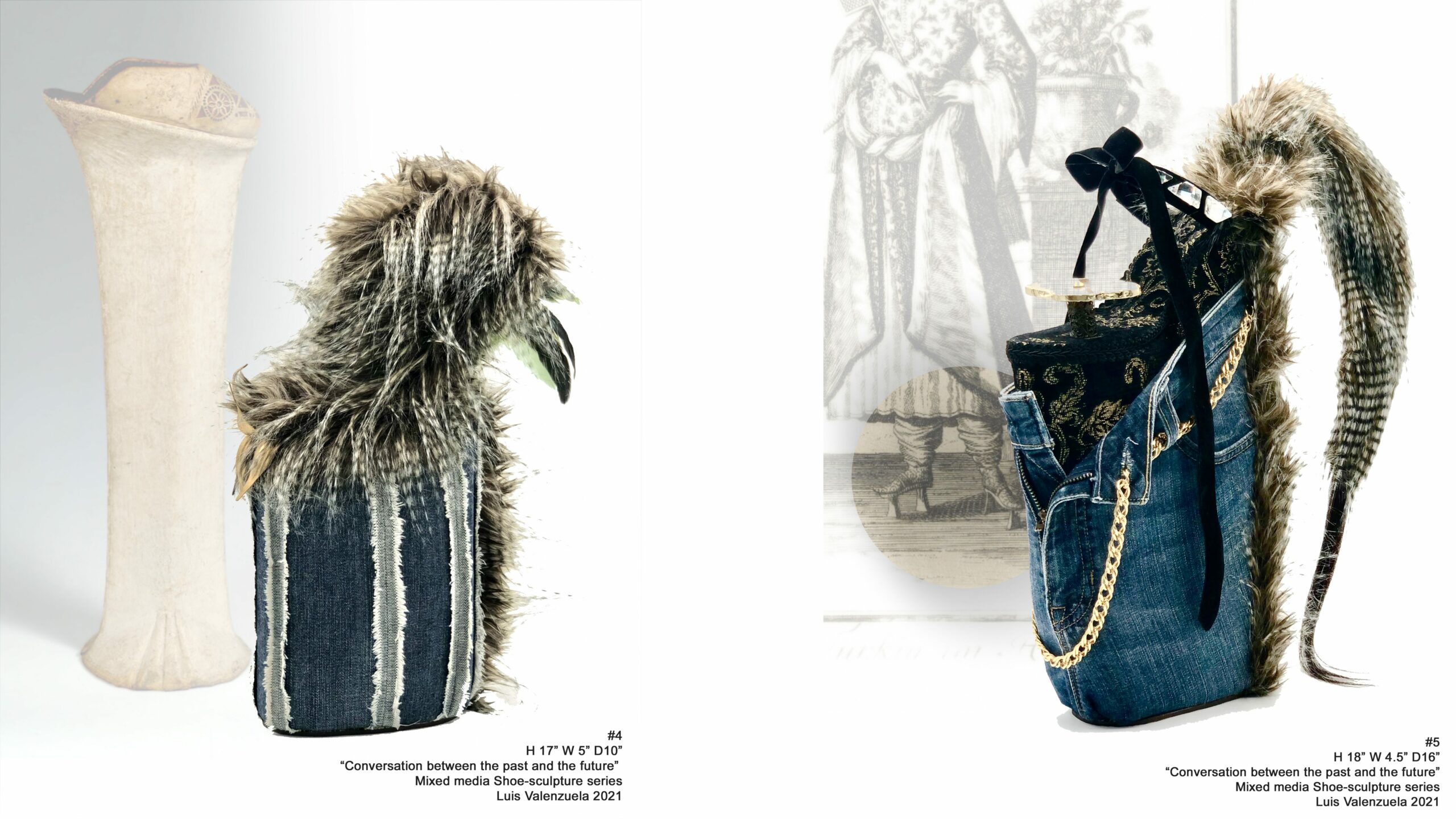
Your career must have given you many good stories and projects that make you the perfect guest at any dinner. Could you tell us about something special you still think about to this day?
One project that stands out and inspires me is the creation of the MIAMI Shoe Museum (MSM) in 2022. This initiative began as a passion for collecting historical shoes in 2010, which grew into an extensive collection of nearly 800 pairs from designers worldwide. The idea was to create a virtual museum before building the main facility that showcases this collection and serves as a rich historical research and education resource. In July 2024, the MSM inaugurated its Research Center in downtown Miami, which marked a significant milestone. The MSM Research Center is dedicated to conserving, researching, and educating the public about footwear’s artistic and cultural heritage. This space allows visitors to explore the evolution of shoe design, understand its historical context, and appreciate the craftsmanship involved. The journey of bringing the MIAMI Shoe Museum to life has been enriching. It reflects my commitment to preserving history and my passion for art and design. This project is a testament to the power of combining personal interests with professional expertise to create an incredible project that can educate and inspire future generations. Whenever I am in the MSM Research Center or interact with its visitors, I am reminded of the impact art and history can have on our understanding of culture and society.
As a jury member for the Global Footwear Awards, what do you prioritize when evaluating designs, and what advice would you give to aspiring designers?
As a jury member for the Global Footwear Awards, I prioritize innovation, functionality, and sustainability in designs. Innovation is crucial as it demonstrates the designer’s ability to push boundaries and offer fresh perspectives. Functionality ensures that the design is visually appealing but also practical and comfortable for everyday use. Sustainability is increasingly important today, and I look for designs incorporating eco-friendly materials and practices. For aspiring designers, stay true to your vision while remaining open to feedback and new ideas. Embrace technology and sustainability in your designs, as these elements are becoming essential in the fashion industry. Don’t be afraid to experiment and take risks, as innovation often comes from stepping outside your comfort zone. Lastly, always keep the end-user in mind, ensuring that your designs are striking but also functional and meaningful.
What do you want to see happening in the future, both for you and for the design community?
In the future, I hope to see continued integration of technology and sustainability in the design community. These elements are crucial for addressing our environmental challenges and driving innovation in the industry. I aim to expand the reach and impact of the MIAMI Shoe Museum and its Research Center, fostering a deeper understanding and appreciation of footwear’s cultural and artistic significance. I also aspire to continue inspiring and educating the next generation of artists and designers. By sharing my passion for art and design, I encourage others to explore new possibilities and contribute to a more sustainable and innovative future.
In this exclusive interview, Oronzo De Matteis shares his journey from his early days in Germany to becoming a renowned figure in luxury footwear design. We delve into his experiences, design philosophy, and the influence of both German and Italian cultures on his creative aesthetic. As a jury member for the Global Footwear Awards, Oronzo offers invaluable insights and advice for aspiring designers while reflecting on his contributions to the ever-evolving world of fashion.
Join us as we uncover the creative process behind his work and gain insights into his unique approach to design.
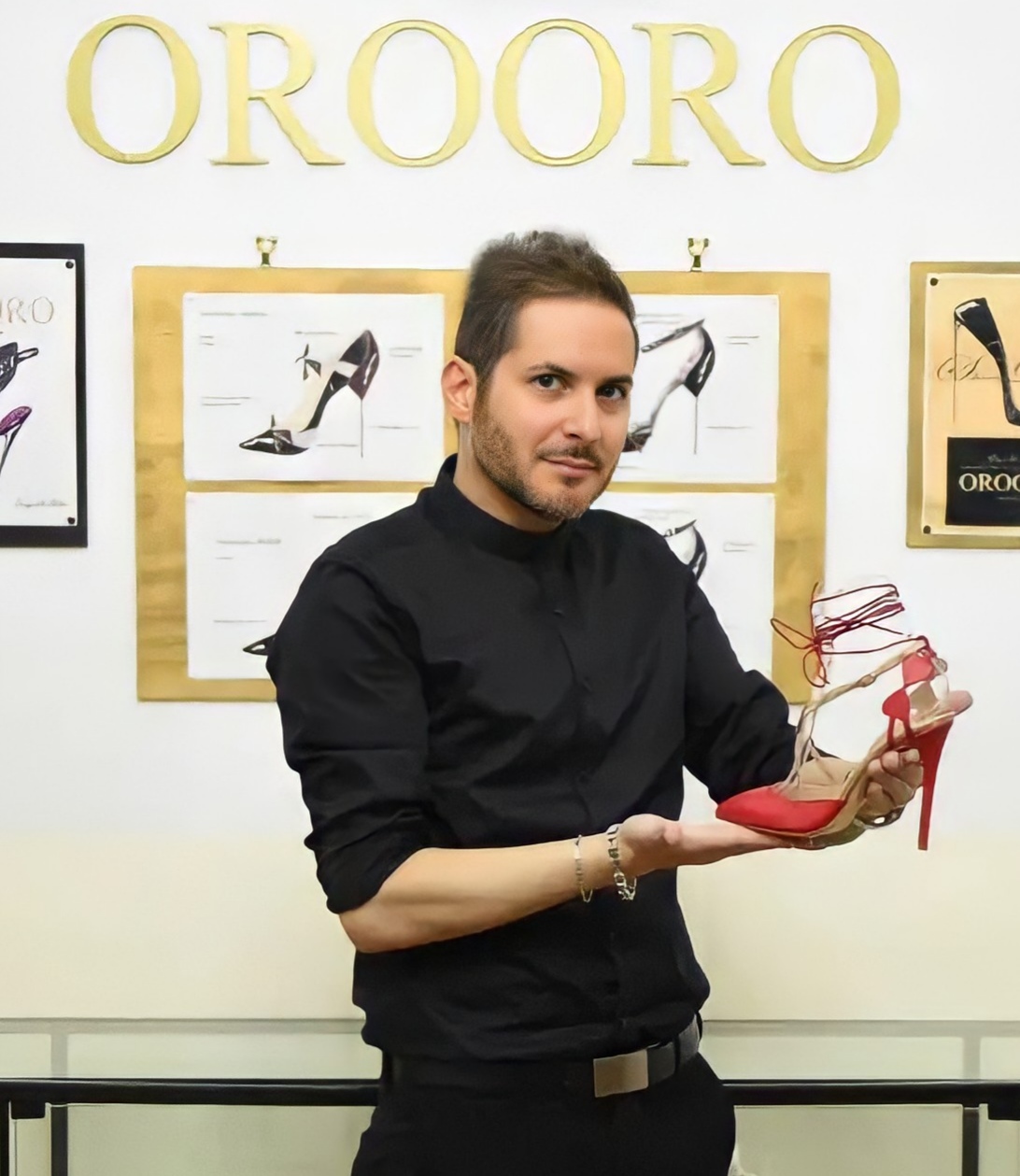
Can you tell us about your background and professional training?
I was born in Rheine, Germany, and grew up near Düsseldorf, a key hub of German romanticism known for hosting international trade fairs, including the GDS International Event for Shoes. In 2000, I relocated to San Mauro Pascoli, Italy, the epicentre of luxury footwear. My training was through CERCAL (Shoe Academy), where I pursued High International Training in “Technical Industrializer Designer/Modeler of Luxury Footwear.” I earned a Diploma in the Merceological Study of Leather and Luxury Footwear Components. I also spent three years working with Sergio Rossi, who later joined the Gucci Group.
From 2004 to 2007, I launched my brand under the “OROORO” trademark, serving as CEO, Founder, and Creative Director. In 2005-2006, I worked with Bruno Magli Shoes, where I gained experience in style and manual techniques, overseeing the entire shoe-making process. After moving to Bologna, I frequently travelled between San Mauro Pascoli, Rome, Milan, and Florence. I briefly worked with Baldinini but remained focused on developing my brand.
In 2009, I became involved with Alta Roma Alta Moda, showcasing my work on Italian high fashion runways alongside top names in fashion for over 13 years. In 2012, I was honoured as Master of Art by the Chamber of Fashion, leading to teaching opportunities and workshops at Fashion Academies. My work has been featured in magazines such as Vogue Italia and House Couture, and I’ve been dubbed the “designer of the Divas” for my timeless, regal shoes. After fashion catwalks, I ventured into cinema, designing shoes for various films and TV productions. In 2013, I partnered with AltaRoma AltaModa and Wedding World fashion shows. Notable collections include Gold Edition Limited, Desiderium, Timeless Endless Edition, Luxury Dream of Queen, and Positive Sneakers.
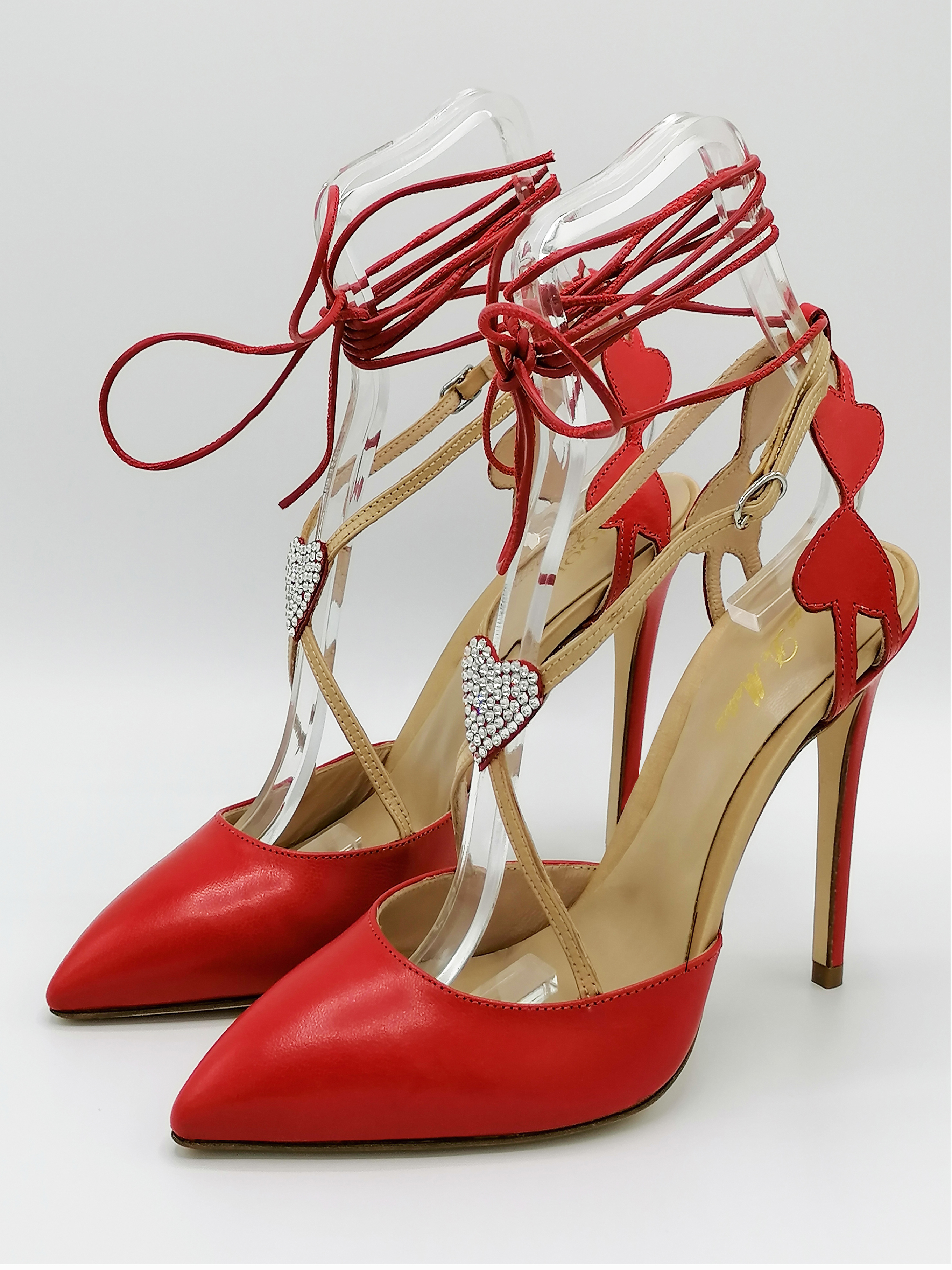
How did design play such an important role in your life, what is fashion for you?
I’ve always been resistant to following trends and prefer simplicity, which I see as synonymous with beauty—so much so that I’ve made it one of my guiding principles. I value elegance and refinement, focusing on quality, comfort, and design, while also being committed to sustainability by exploring non-animal materials, such as those derived from fruit molecules. Fashion is integral to my life; it comes naturally to me and aligns with my core values and principles, reflecting both the heritage and land that influence my creations.
Where has it taken you over the years, have you ever thought of giving up during your journey?
I’ve reached the level I aspired to, becoming a notable fashion personality, but I don’t see myself as having arrived—I remain grounded and accustomed to hard work. The career is challenging, and staying relevant in fashion and cinema requires continuous effort. I have considered giving up many times, but each time, the desire to continue drives me forward, confirming that this is the right path for me.


What are the most important aspects that OROORO wants to convey to its consumers?
OroOro is recognized for its elegant, feminine, and refined creations, with a distinctive Italian style and design appreciated in European and international fashion circles. Our collections are known for their originality, elegance, and attention to detail, offering high-end fashion footwear that combines style, quality, and comfort. Each piece is crafted from fine leather and eco-sustainable materials, embellished with Swarovski stones. The OROORO style is encapsulated in three letters: E-Q-C—Elegance, Quality, and Comfort.
What is, in your opinion, your design philosophy? How has this philosophy evolved over the years?
My philosophy revolves around luxury and beauty, aiming to continuously surprise and stay updated. I keep an eye on emerging trends and capture them ahead of time. This requires creativity and intuition, honed through experience and a commitment to staying relevant. Over time, my philosophy has remained focused on attention to detail and respect for every project, whether for my own brand or others. The use of AI and graphics software has enhanced my creative process, and I strive to adapt and innovate based on the current era.
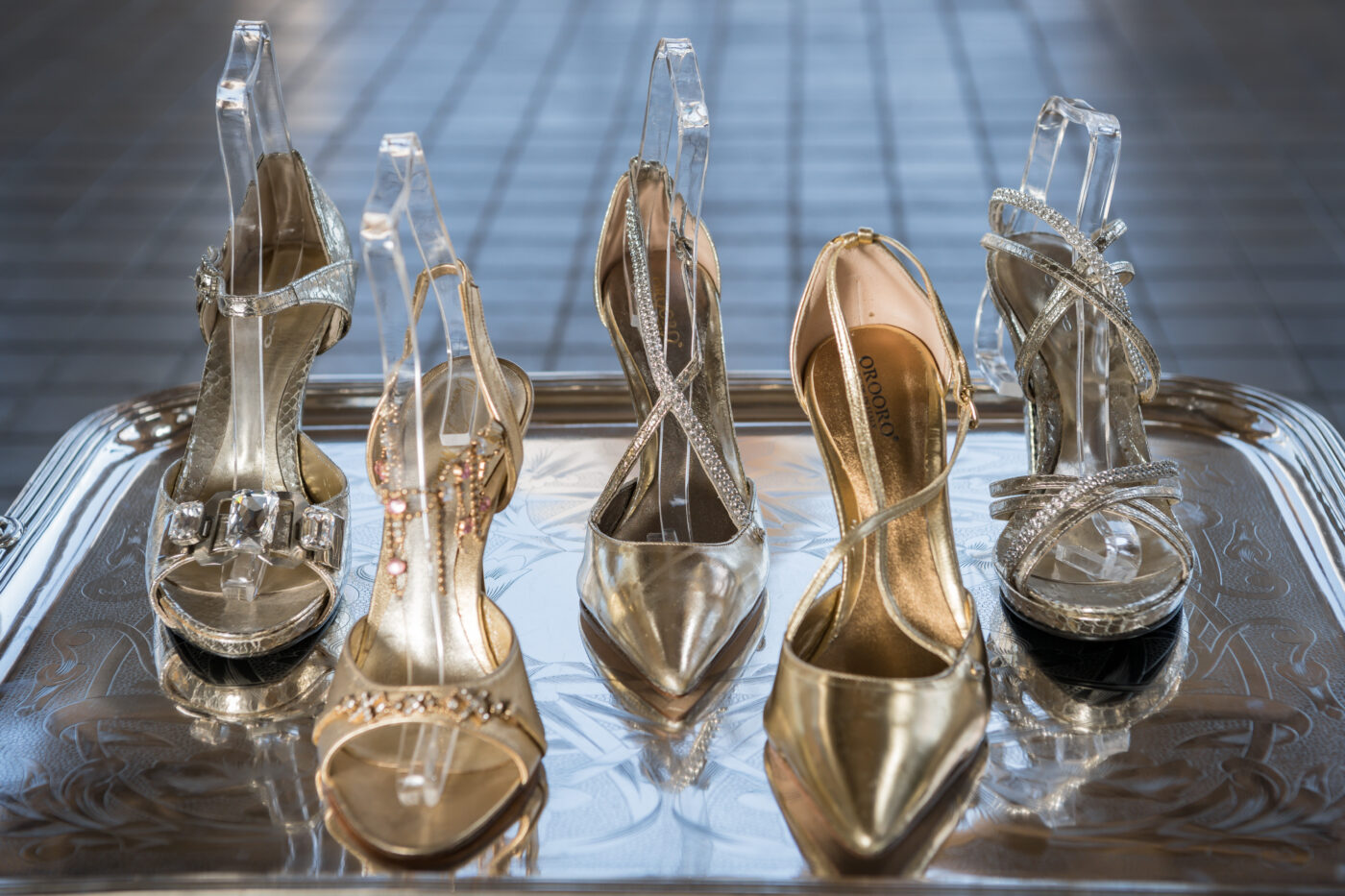
What is meant by the term: FASHION?
“FASHION” represents the societal appearance reflecting current tastes, particularly in luxury and elegance. It encompasses articles and accessories for women’s clothing that embody both luxury and sophistication. Recent developments have positioned fashion strongly in global markets, supported by technological and industrial advancements in our country.
Which brands have you interacted with and what are your latest collaborations?
I’ve collaborated with renowned luxury brands such as Sergio Rossi, Gucci Group, Bruno Magli, and Baldinini, as well as working with brands like Alexander McQueen and Yves Saint Laurent. I later launched my own brand, OROORO BRAND LUXURY.
Having experienced both German and Italian culture, how have these different cultures influenced your design aesthetic and your professional approach?
Growing up in Düsseldorf, a city known for its romanticism, greatly influenced my design aesthetic, instilling a sense of beauty and romanticism in my work. The colourful houses and the vibrant German culture contributed to my sense of aesthetics and taste. Alongside this, German culture imparted a rebellious spirit and openness to diverse cultures, enriching my curiosity and adaptability.
Moving to Italy, I was immersed in the baroque beauty of Salento and the local traditions, which have deeply inspired my designs. The Italian culture of hospitality and simplicity continues to influence my creative process, transforming sensory experiences into artistic expressions.
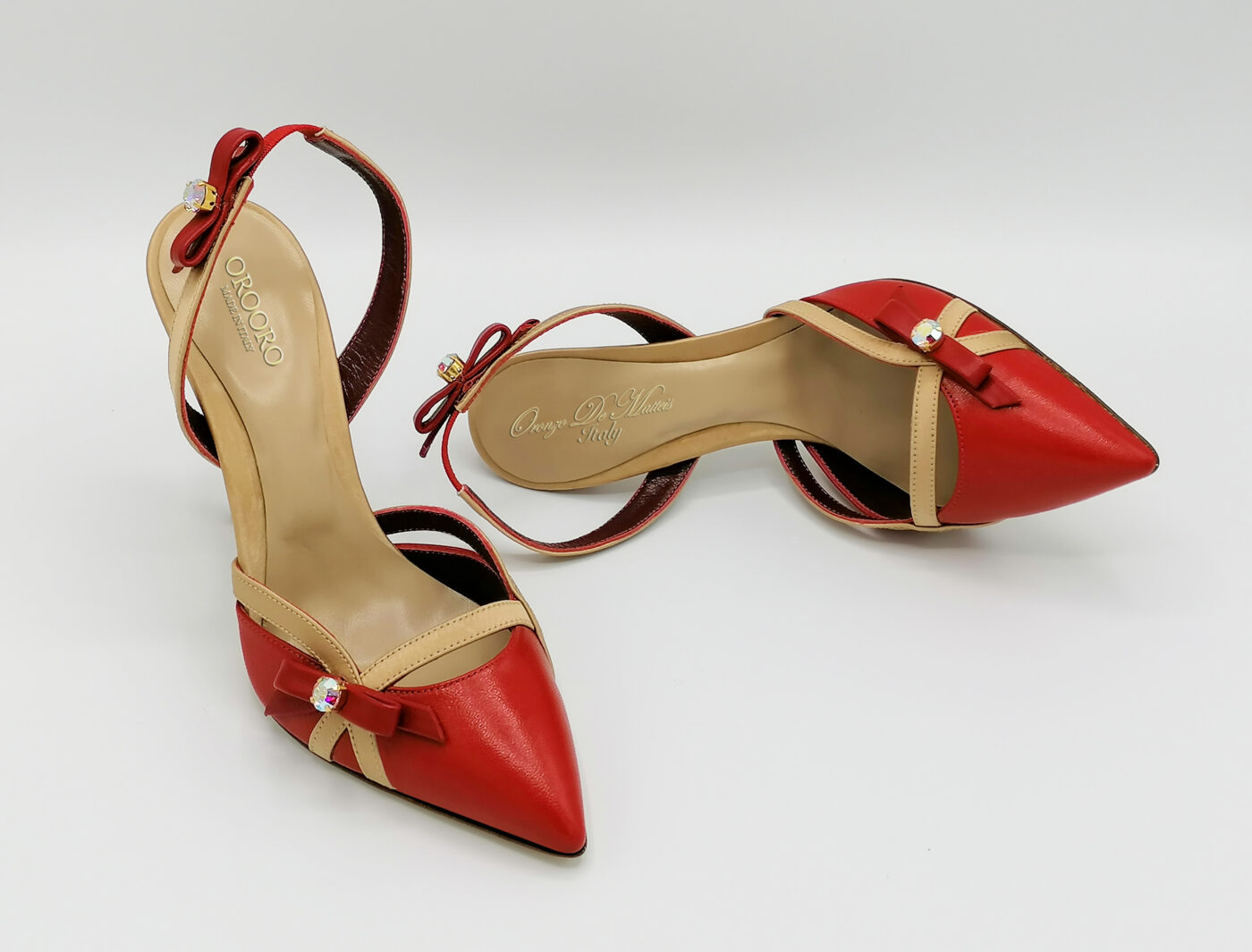
In your opinion, what are the key elements that define luxury footwear and how do you integrate these elements into your designs?
Research and shape study are crucial to defining the character of footwear. I focus on refined, delicate lines, paying meticulous attention to every detail. The choice of materials, such as soft leathers and customized accessories, is essential to achieving a superior quality. My goal is to create a shoe that seamlessly complements the wearer. The integration of customized heels and precious stones adds the final touch, enhancing the overall design.
Could you share a particularly memorable experience of your work that you still think about today?
One memorable moment was my first Italian Haute Couture event, where my creations graced the runway, highlighted by the accessories I designed. The reaction from the audience, including my proud parents, was incredibly rewarding. Seeing my designs celebrated and appreciated was a profound and fulfilling experience.
Can you share a case in which a design did not go as planned? What did you learn from that experience?
A recent challenge occurred when the pandemic disrupted our plans for a high-end collection. Despite meticulous preparation, the pandemic’s impact on global supply chains and markets affected our expectations. This experience taught me not to take anything for granted and to adapt to unforeseen circumstances. I learned to focus on creating more comfortable designs, such as Sneakers and Bags while maintaining a belief in the enduring value of luxury. The key is to keep moving forward and never stop pursuing one’s goals.
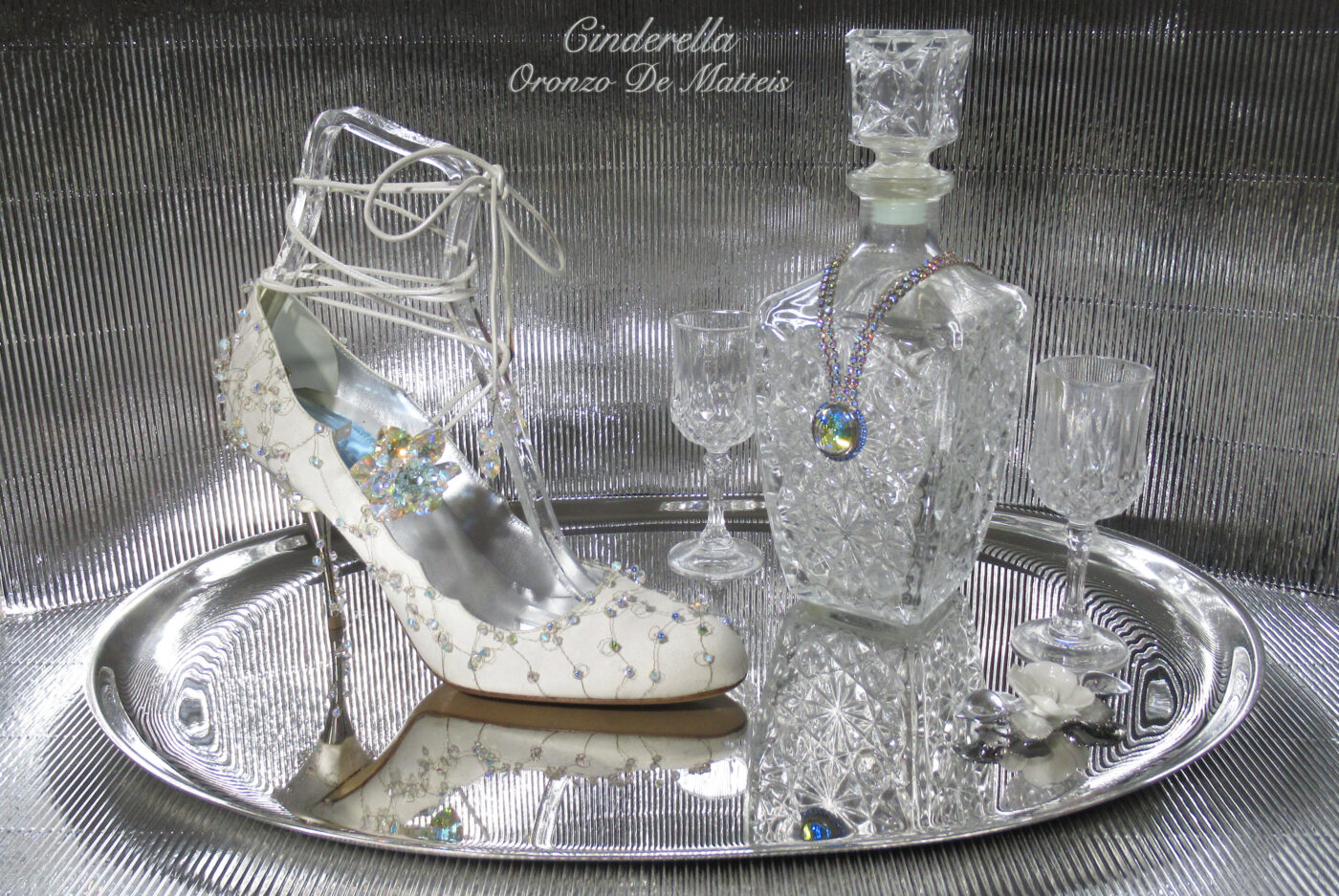
As a member of the jury for the Global Footwear Awards, what do you give priority to when evaluating designs?
I focus on the initial impact and the emotional response conveyed by the design. My method involves viewing all projects in-depth and reflecting on them over time to identify those that evoke strong feelings. I prioritize originality, creativity, and dedication, paying close attention to innovative and futuristic projects. I encourage young designers to seek guidance from experienced craftsmen and manufacturers to refine their ideas.
What advice would you give to aspiring designers who admire you?
Dreams require effort and persistence. Shortcuts can lead to losing sight of your original vision. Stay true to your dream, and remember that talent will eventually find its moment. Don’t be discouraged by obstacles; they are part of the journey to success.
What do you envision for the future, both for yourself and for the design community in general?
I aim to continue creating “Shoes and Bags” with positivity and determination, fulfilling dreams and exploring new opportunities. I am open to contributing to a major luxury fashion house and remain committed to promoting Italian excellence. For the design community, I encourage curiosity, creativity, and resilience. Embrace technical aspects and let your creativity guide you, always striving to improve and innovate.
We are delighted to feature Sean Williams, a distinguished member of the Global Footwear Awards. Renowned for his unparalleled expertise and passion for sneakers, Sean has spent over 39 years transforming the design landscape with his unique vision and storytelling prowess. As a mentor and advisor to designers worldwide, Sean has built a reputation for his authentic approach to sneaker culture, focusing on appreciation, education, and elevation.
In this interview, we delve into Williams’s journey, philosophies, the future he envisions for the design community, and his role as a jury member for the Global Footwear Awards.

Can you tell us about your background? How did your journey to become such a prominent figure in the design community begin, and where did it take you over the years?
I’m in a 39+ year love affair with sneakers. That love allows me to see sneakers as a unique story in every box. As a mentor, advisor and counselor of sorts to designers all over the world I’ve become a trusted source for those who seek accurate and authentic storytelling for their design work and/or promotion and marketing plans. To that end, sneakers have taken me to numerous countries around the world to share my expertise in the education space.
What would you say is your personal philosophy? How has this philosophy evolved throughout the years?
I live by these 3 words when it comes to sneakers and sneaker culture, “Appreciate, Educate, Elevate.” It’s my uncompromised way of live when it comes to my work in this industry
You co-created the first-ever sneaker talk show in 2007, what was the inspiration behind this? How did it change the conversation around sneakers within the industry and among the public?
The idea as originally conceived by OSD Co-founder Dee Wells was to give a voice to sneaker lovers around the world using a format that no one had tried yet. Podcasting was new to EVERYONE so it was the perfect vehicle for us. Our show FORCED all the other sneaker sites to grow up and create more mature subject matters around sneakers. It’s our blueprint and narrative that many of the sneaker media sites of today use when talking about the sneaker industry. We’re very rarely given credit for that, but the proof is well documented.
You work as an adviser for global sneaker brands, how do you stay ahead of trends?
My work with brands is very rarely about trends and more along the lines of helping brands tell AUTHENTIC stories about themselves and the products they make.
You’ve curated public art exhibitions that have reached over 10 million people, what do you think makes an art exhibition successful and memorable, particularly in the context of sneaker culture?
Our success in producing over a decade of sneaker exhibitions is tied to the curation and access. What good is telling a great story if it is limited by who has access to it? Our exhibitions achieve the numbers they have because we chose exhibition partners that allow access to massive numbers of people. Not just a select privileged few.
What challenges do you find most common among emerging designers when it comes to understanding the impact of their designs, and how do your Master Courses address these challenges?
Design programs are great, but who is going to teach the creatives that they need to be armed with business acumen? We’re the only ones in the world who teach the business and culture of sneakers. We’re the only ones that teach the lawyer, the scientist or the marketing professional that there’s a fun industry waiting for them RIGHT NOW without having to reinvent themselves. 13 years after we started SOLEcial Studies, and We’re STILL the only ones GLOBALLY that teach that aspect of the business.
Could you share a particularly memorable experience from your work that you still think about to this day?
I would have to say winning my Anthem Award (in early 2024) for my work teaching in Paris in 2023. It was already a memorable experience, but winning the award for teaching “sneakers” to a room full of students from at least 7 different countries in one classroom was great!
As a jury member for the Global Footwear Awards, what do you prioritise when evaluating designs? What advice would you give to aspiring designers?
My evaluation process as a jury member starts with how much of the inspiration the designer shares with us upfront. What problems are they aiming to solve and the design evaluation is going to be based on how well you did that. Making space aged fast and sharp looking things with no real purpose will never impress me.
What do you envision for the future, both for yourself and for the broader design community?
I want to see more people being skilled in using 3D design, AI design tools. Also focusing more on using the technology as tools in the process instead of the tech being the actual “Ghost Designer” of things. As for me, OSD, and the SOLEcial Studies CommUNITY Academy there will be more groundbreaking courses, and we’re going back further into our roots!

The Global Footwear Awards is partnering with the China Leather Association and Wenzhou Municipal People’s Government organizer of the first “Red Boots Award” to provide a new set of benefits to the GFA’s winners to showcase their work to the fast-growing footwear industry in China and find strategic partners to produce their shoe concept.
Global Footwear Awards recognizes visionary out-of-the-box thinkers from around the world with an ambition to provide the highest recognition to footwear designers in all footwear divisions, from Fashion to Sports. Entries are evaluated at three different levels: Brands, Independent Designers, and students, in order to provide a fair opportunity for each level. With 24 categories, the Global Footwear Awards honors strategic thinking and innovative solutions from medical footwear, to running and trails, vegan, recycled materials to those having a positive social impact with inspiring collaboration.
The “Red Boots Design” advocates product innovation driven by design creativity, highlighting the commercialization and marketization of design achievements; introducing the local footwear industry in Wenzhou, igniting cooperation between designers, design colleges, and enterprises, and leading the design trend vane of China’s footwear industry.
In December 2022, China Leather Association and Wenzhou Municipal People’s Government will invite experts and scholars, industry leaders, entrepreneurs, and fashion buyers from developed countries such as Europe, the United States, Japan, South Korea, and Vietnam to explore the new ecology of fashion trends in China’s footwear industry, draw a new blueprint for the development of China’s footwear industry, and promote the transformation and upgrading of China’s footwear industry.
The organizers of “Red Boots Design” not only provide generous bonuses to encourage the designers but also release a series of supporting and recruiting policies to attract outstanding designers to launch their careers in Wenzhou. Also, after the competition, the organizers will collaborate with partners from the academic and industrial circle to provide resources for winners, and help them implement their programs, as well as produce, promote and sell their products, thus gathering domestic and international resources of footwear design, building a hundred billion footwear industry cluster, and establishing an open, prosperous, and vigorous ecological chain for the global footwear industry.
The 2022 Global Footwear Awards winners will be invited to join the “Red Boot Awards” to submit their designs which will be reviewed by industry experts made of Chinese and International Jury members to win a trip to Wenzhou, China; meet local manufacturers, receive concept counseling and potentially start producing their awarded Footwear Design.
GFA Program Manager, Jennifer Cullera shared her thoughts on the exclusive partnership, “We are thrilled to now provide a unique opportunity for talented designers to realize their dreams – meet Footwear Manufacturers to potentially start production”.
Registration for the Global Footwear Awards is now open and will close on January 15th, 2022. For more information on the partnerships and benefits – please contact info@globalfootwearawards.com
About Global Footwear Awards
The Global Footwear Awards recognizes the efforts of talented footwear designers around the world and aims to celebrate their exceptional creations at a global scale while honoring sustainable practices that will inspire the industry as a whole.
About Farmani Group
Established in 1985, Farmani Group is responsible for many successful awards programs around the globe, including the International Design Awards (IDA), Architecture Masterprize, DNA Paris Design Awards, London International Creative Awards, Prix de la Photographie in Paris, and the Annual Lucie Awards for Photography, which has emerged as one of the world’s most prestigious awards.
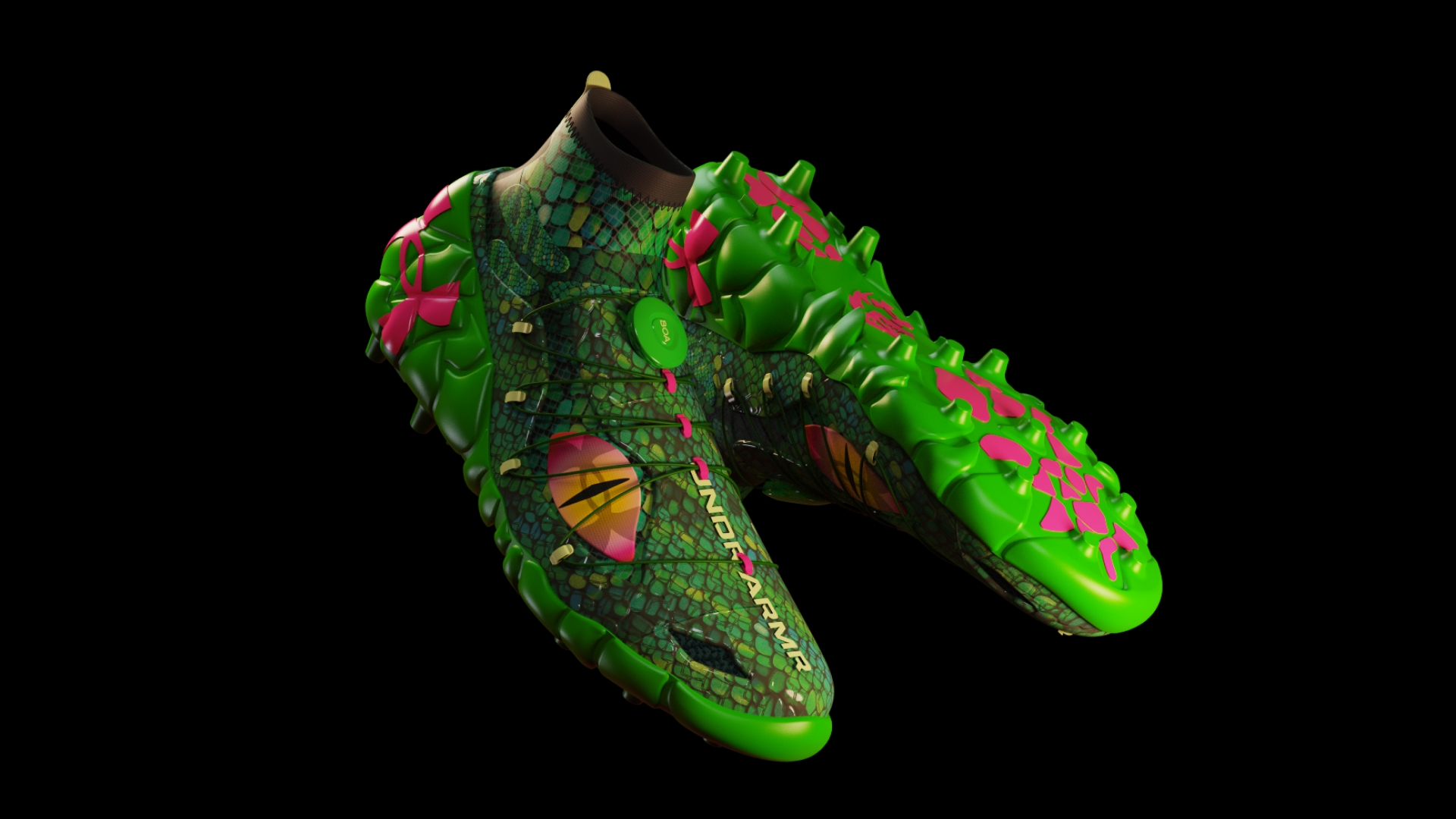
Sara Valeri shares the Story of the META BEASTS Project. Global Footwear Awards 2023 Best Overall Winner.
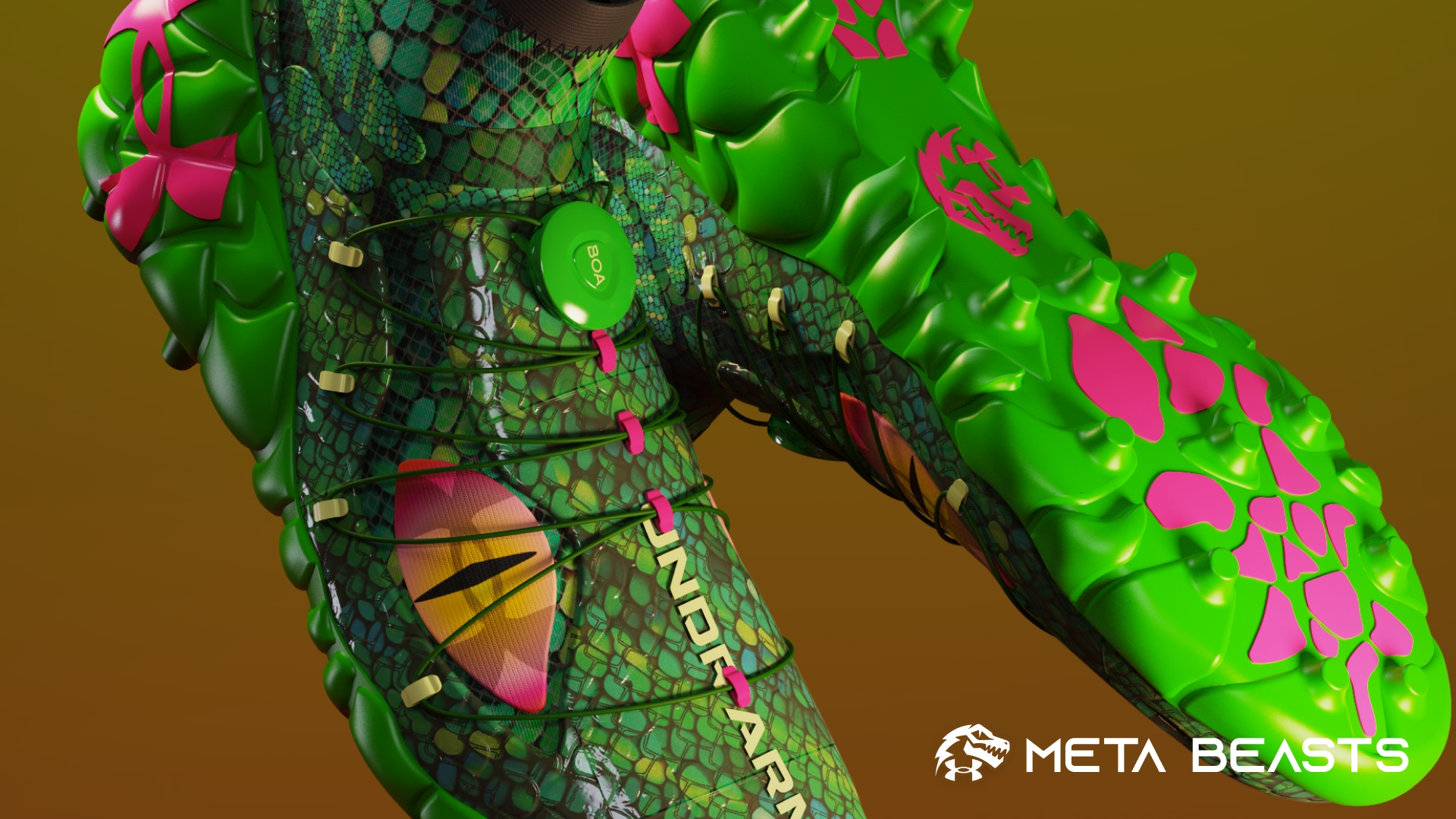
Meta Beasts by Sara Valeri are transitional soccer shoes for ages 7-11, offering comfort, performance, and safety, and featuring a unique digital twin in the metaverse for enhanced skills in and out of the field.
Could you tell us a bit about yourself?
Hi, my name is Sara Valeri. I was born in Merida, Venezuela. From a young age, creativity has been my way of expressing myself and understanding the world around me. Growing up, I used to sketch and paint all the time. I would also disassemble toys and assemble them as new creations; music, specifically playing the guitar, became another outlet for my artistic soul. Now, as an adult, I’ve found a home in design. In this space, I can translate my creative ideas and life experiences into tangible solutions that not only speak to aesthetics but also bring profound meaning and positive change to people’s lives.
Where are you with your studies? Have you specialized in footwear design?
I’m a second-year master’s student at the University of Oregon’s Sports Product Design Program. I plan on graduating this spring of 2024. With a BFA in Industrial design and now immersing myself in the world of sports product design, covering categories like equipment and apparel, my true passion lies in footwear design. Which is the focus of my thesis project and what fuels my aspirations for the post-graduation chapter of my journey..
Is a philosophy, a vision, or a special process influencing your design?
Every design, regardless of its scale, has the potential to bring meaning and impact to someone’s life. Throughout my journey, I’ve woven the threads of my past experiences, the lessons I’ve learned, and the diverse people I’ve met into my daily work. This approach deepens my understanding of others and infuses purpose into my creations. When designing, I always think about the future and how our world can be reshaped for the better through design.
Can you explain your general design process? How do you start a new project?
I kick things off in my design process by profoundly understanding the project brief and problem. I meticulously plan my time, dividing the project into manageable phases. Understanding the end user is critical to “who I’m solving for.” I conduct thorough research, collecting data through surveys and interviews to define pain points and insights. For projects like sportswear, I dive into biomechanics, human factors, and societal trends. Trend forecasting gets me to explore society’s psyche and reactions. Then, I organize ideas, drawing inspiration from past projects and creating mood boards. The ideation phase is about sketching on paper, digitally, or even in virtual reality. I refine ideas using tools like Illustrator and Photoshop, sometimes playing with AI for more sparks. Material research and understanding of manufacturing follow, often involving collaboration with industry experts. After defining everything, I moved to 3D modeling and created physical prototypes and 3D printing components like outsoles and midsoles. Prototypes are tested, validated, and refined based on user feedback before being sent to the factory or client as tech packs, 3D models, and final renders. It’s a journey from concept to reality, ensuring the design works seamlessly in the real world.
What is the most challenging part of working on a new footwear concept?
The most challenging part of working on a new footwear concept is defining the problem and clarifying my goals; therefore, project management is super important. Because sometimes, as a designer, you want to solve too many issues at once, and you can get carried away with different ideas you want to implement. So, it’s always essential to establish the main problem you are trying to solve, always have the defined target consumer in mind, and be able to continually clarify and support each step of the process so that, in the end, it is a streamlined process. You can anticipate changes and work around new paths while focusing on that end solution.

Which footwear designer has had the most impact on your work?
Given the diverse influences throughout my career, choosing a single designer is no small feat. In my undergraduate years, luminaries like Ross Lovegrove, Neri Oxman, Zaha Hadid, Naoto Fukasawa, and Iris van Herpen, introduced by insightful professors, shaped my perspective on design. Thinker Hatfield, with his revolutionary impact on footwear design, kindled my passion for the field. Virgil Abloh, with his ascent to the pinnacle of the fashion industry, taught me that dedication knows no bounds. That one can revolutionize an entire industry with hard work and dedication. Matthew Williams’ contemporary, bold, futuristic aesthetic, challenging norms, and Yohji Yamamoto’s transformative designs with Adidas inspire my work in the realm where fashion meets sports, evoking change and transformation. However, a pivotal figure in my life is my brother Ezio, whose resilience and perseverance have instilled in me the fire to keep designing and fighting for my dreams.
How do you see your work evolving in the future, and what new concept you want to explore?
Peering into the future, I envision my work maturing, carving out a distinctive design aesthetic marked by timeless creations. The evolving landscape of future technologies, particularly the realm of 3D-printed footwear, holds immense appeal for me, and it’s a frontier I’m eager to explore. Beyond that, my journey involves a continuous quest for knowledge and exploration of new paths that lead to groundbreaking innovations in the world of sports and design. Material innovation and sustainability are areas I’m determined to delve into, recognizing the limited knowledge we often have about the end life of our products and the environmental impact of the materials we use. As I design, my goal is not just to solve problems but to contribute revolutionary solutions that stand the test of time. The journey ahead is one of constant learning, exploration, and a commitment to delivering designs that make a positive impact.
Discover our GFA 2023 Winners HERE
Footwear Designer Wout Speyers Reveals the Story of the One Shoe (fits all) Project. Global Footwear Awards 2023 Best Overall Winner.
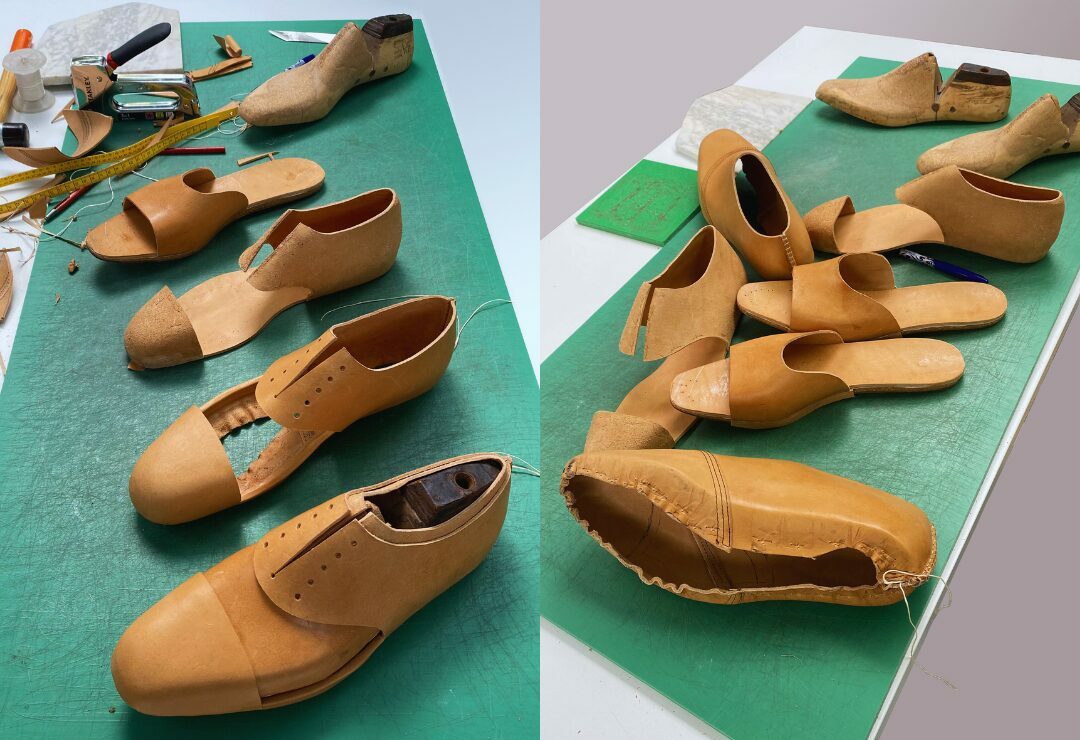
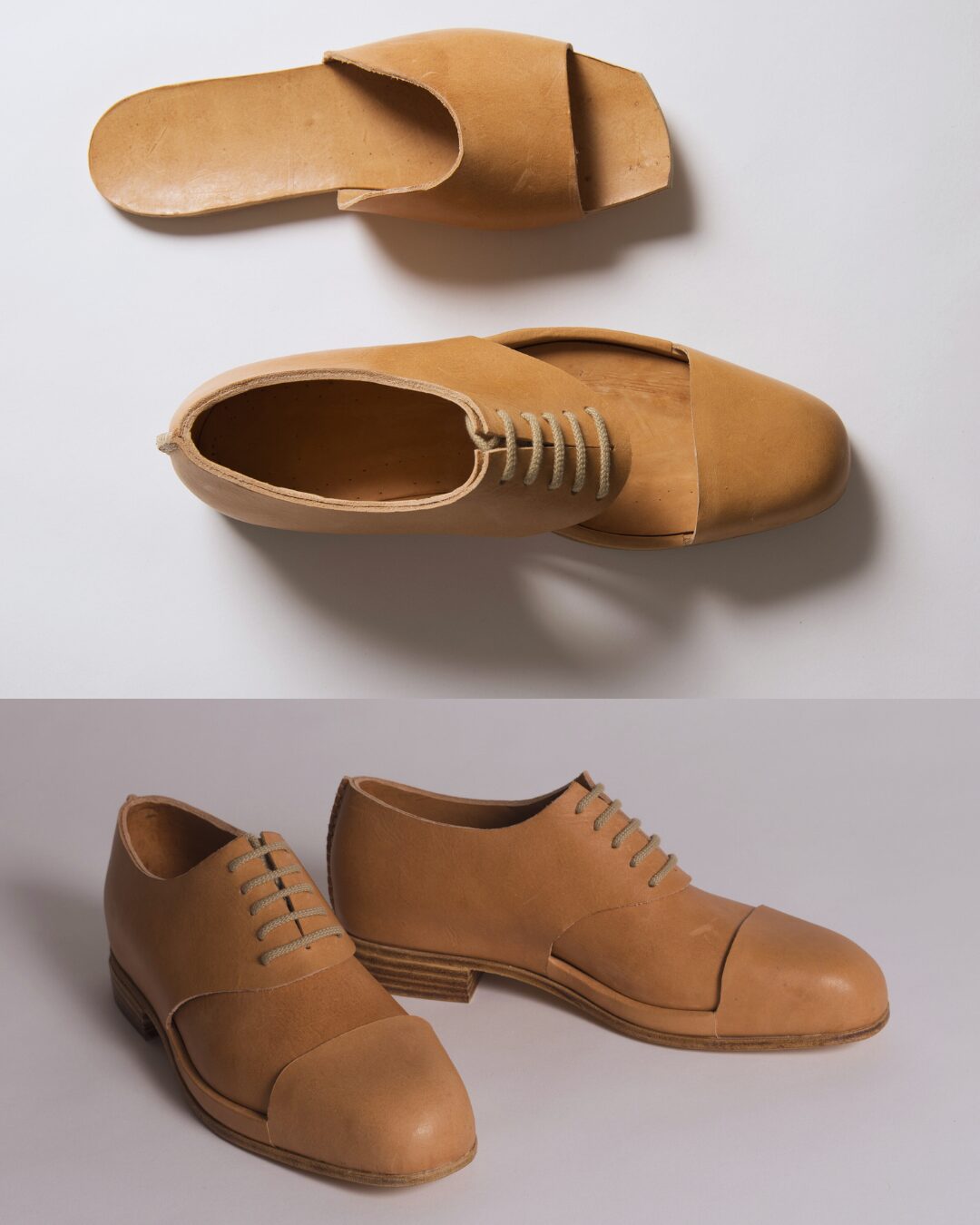
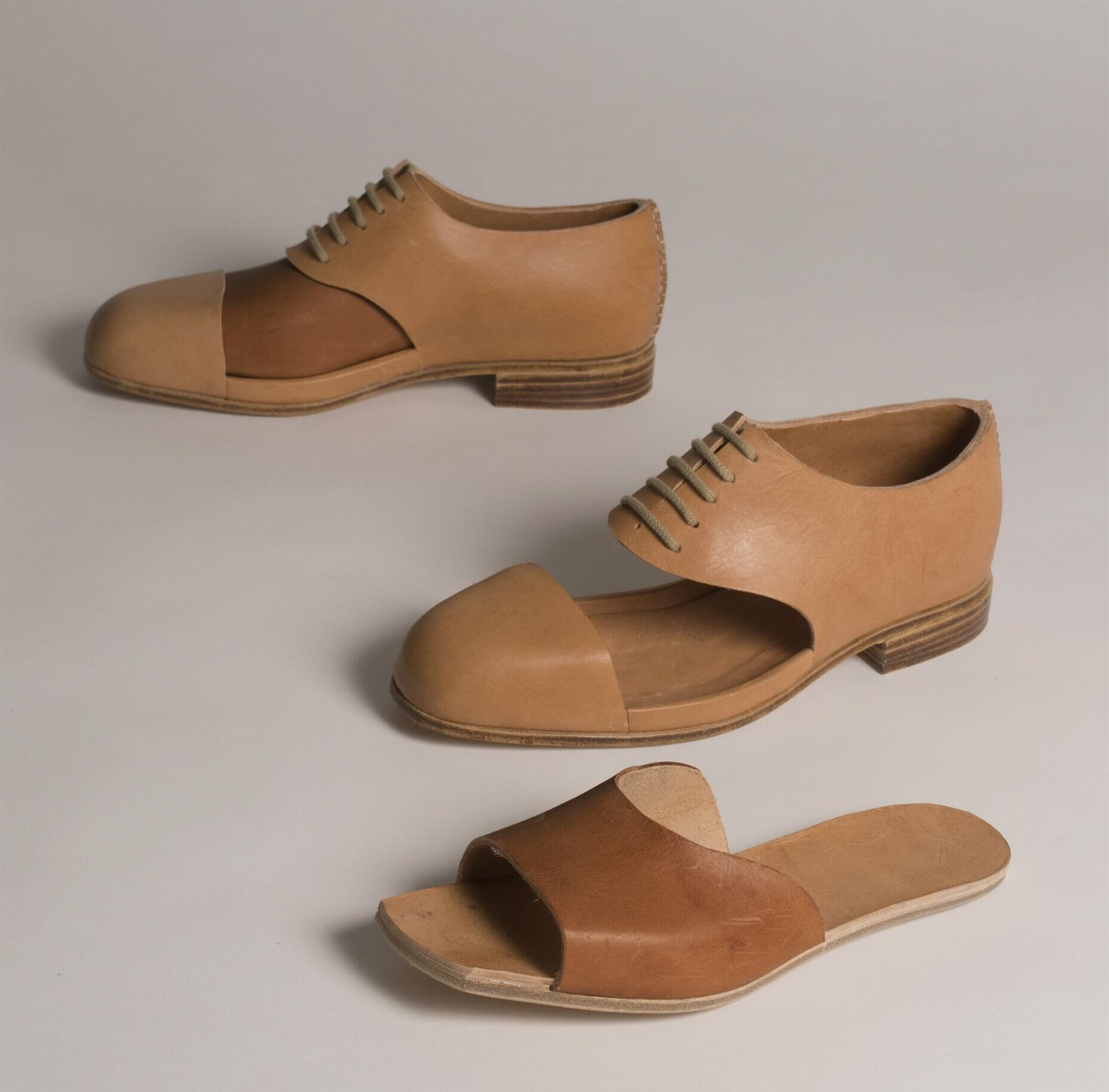
One shoe (fits all) by Wout Speyers. Innovative and refreshing. This is a new style of shoe. A shoe for the Oxford style wearer and the man in slippers. Two functions in one design. ‘One shoe fits all’ is part of ‘The World is a natural product’ collection, the winner of the Craft the Leather Award 2022.
Could you tell us a bit about yourself and your professional journey?
I am originally an industrial designer engineer and somewhere in life I fell in love with chairs. Designing chairs was my main focus for quite a while and then it struck me that a chair and a shoe are the same thing. It therefore made sense to switch to shoes and five years ago I started an education in artisanal shoemaking at the René van den Berg Academy.
Both, a chair and a shoe, are free-standing objects defined by the line, sculptural pieces so to speak. Both are intensively used and have complex curved surfaces due to their relationship to the human body. Upholstery, leather, folds, and stitches play a part and new techniques and new materials are quickly integrated with both products.
However, a shoe is more dynamic than a chair and finds its way through the world. It is such a pleasure to be involved with expression and fashion while artisanal shoemaking is still a very technical profession that fits in with my engineering background. The step aside to art is a small one. Ultimately I just make sculptures, if possible practical sculptures.
Can you explain your general design process? How do you start a new project?
A ‘general design process’ suggests that there is a standard approach and maybe that was taught to me at the university a long ago. Something about sketches, variants, and semi-scientific choices but I kind of forgot about that.
Nowadays ideas often come from an object or thing I see at a flea market or in a museum. Sometimes it is a fragment from a song or a line of text from a novel. Perhaps even the dissatisfaction of the evening news. The core is inspiration, a sparkle of life that connects it to the real world.
For example, the Global Footwear Award winner ‘ One shoe fits all’ is made of vegetable-tanned leather which is a responsible choice. To emphasize that we must use precious materials efficiently, I have put two functions in one product. But there is also the observation of modern life. Neatly dressed Oxfords-wearing men run a rat race every day, but there is always a pause. There is a built-in reminder that being less hurried is also an option. Just pull out the slipper and let it all go, the opportunity to take it easy. Hakuna Matata.
It should not be left unmentioned that this shoe was only possible with the support of my mentor René van den Berg.
Is there a philosophy, a vision, or a special process that influences your design?
The year is 2024 and the world is entirely driven by efficiency and the maximization of profit. Well not entirely. A small local shoemaker still holds out against this spreadsheet mentality.
I’m exaggerating a bit, but it still amazes me that professionals send invoices made up of 5-minute time intervals. I resist that and there is no clock in my studio. If there’s one thing I’m aware of – let’s call it vision – it’s being generous with time. Beauty cannot be forced and value creation takes time. Ideas mature slowly, I have plenty of time for my clients and I put everything together in a relaxed manner. That sounds laid back but still, you have to do everything with focus, intensity, and dedication. I cherish commitment and ultimately love for the product.
What did you find the most challenging while working on a new footwear concept?
I often work on many projects at the same time; art projects, (shoe) sculptures, and bespoke shoes for customers. That sounds interesting, but it is not very good for progress. I tend to think more than I actually create and sometimes there is a discrepancy between the ideas and the craft I master.
The answer to all those things is the same: discipline. Keep creating, keep practicing. It is the 2024 New Year’s resolution, like every year.
What does winning the Global Footwear Awards mean to you?
As I mentioned before, I have made a switch from furniture design to footwear and I am relatively new to shoe design. Winning the Global Footwear Awards was a huge boost and confirmation that I am on the right path. Besides that, it is a much-appreciated sign of quality for my customers.
I am very grateful to have won this award. Thanks so much for the opportunity!
What is your sustainable design approach when developing your pieces?
Making bespoke custom shoes is a responsible choice because the valuable leather is used for shoes that are worn (and not for a series of fitting shoes in shops). Well-fitting shoes simply last longer. Since my training in Tuscany, Italy (and winning ‘Craft the Leather’) I have been using more and more vegetable-tanned leather.
I like to think that a local shoemaker is a sustainable choice because the money stays within the community. The ‘buy local’ principle without mass production and major transportation around the globe.
The ‘Makerszoon’ concept created by master shoemaker René van den Berg is a wonderful example of all this. Makerszoon shoes are only made when there is a customer. All vegetable-tanned leather is therefore used effectively. Rene does not use electricity to make this shoe and the imperfections of handmade are part of the design. All stitches are on the outside making the shoe easy to repair. Wherever you are, there will always be someone close by with a needle and thread. To prevent customers from having to drive across the country for a pair of Makerszoon shoes, these shoes are made locally by a craftsman in his studio. That would be me for the province of Utrecht, the Netherlands and I like to involve customers in the entire process of creation. I do use electricity sometimes, don’t tell anyone.
What advice would you offer to aspiring designers?
Be patient and practice. Sooner or later you’ll find your own voice.
(There’s not much wrong with copying the masters to get a sense of greatness).
Discover our GFA 2023 Winners HERE
Footwear Designer Ofir Kertesz Reveals the Story of the metamorphosis Project. Global Footwear Awards 2023, Best Overall Winner in student category.
Ofir was born in Txfat in Northern Israel. And moved to Haifa district to this day. Her life revolved around art, as a child she participated in jewelry lessons, ceramics, and drawing and creating costumes in her free time. After her mandatory service, she started her degree studies at Bezalel Academy.
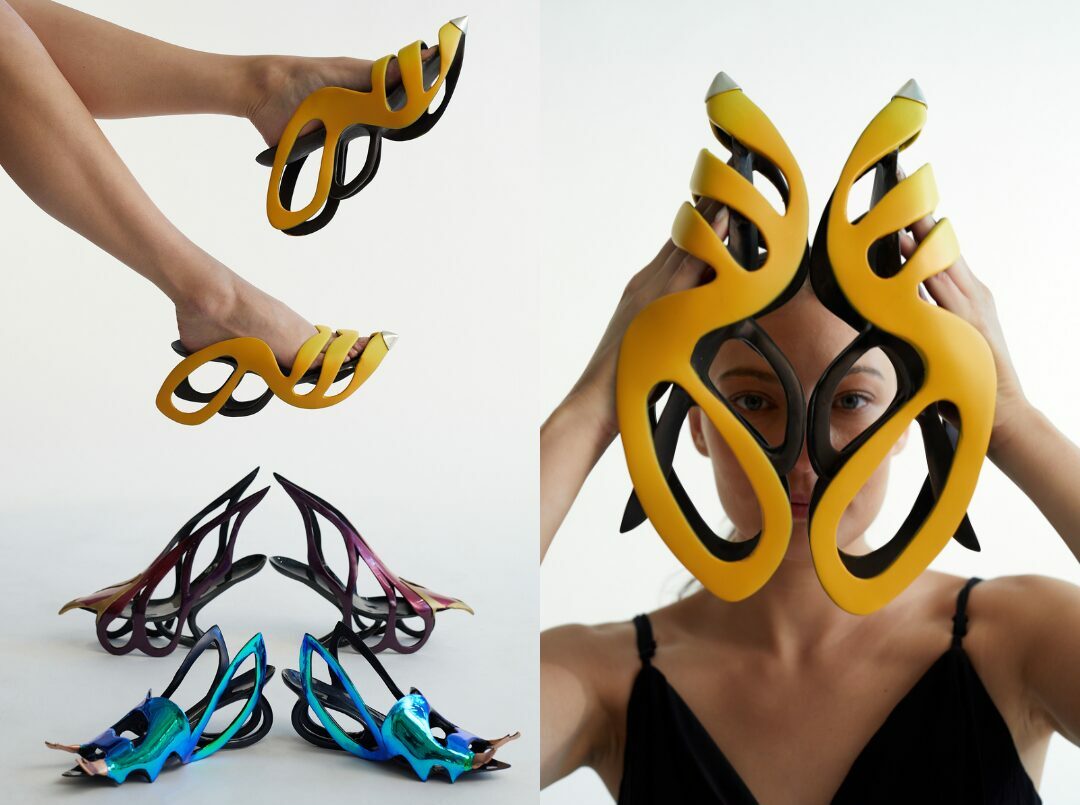
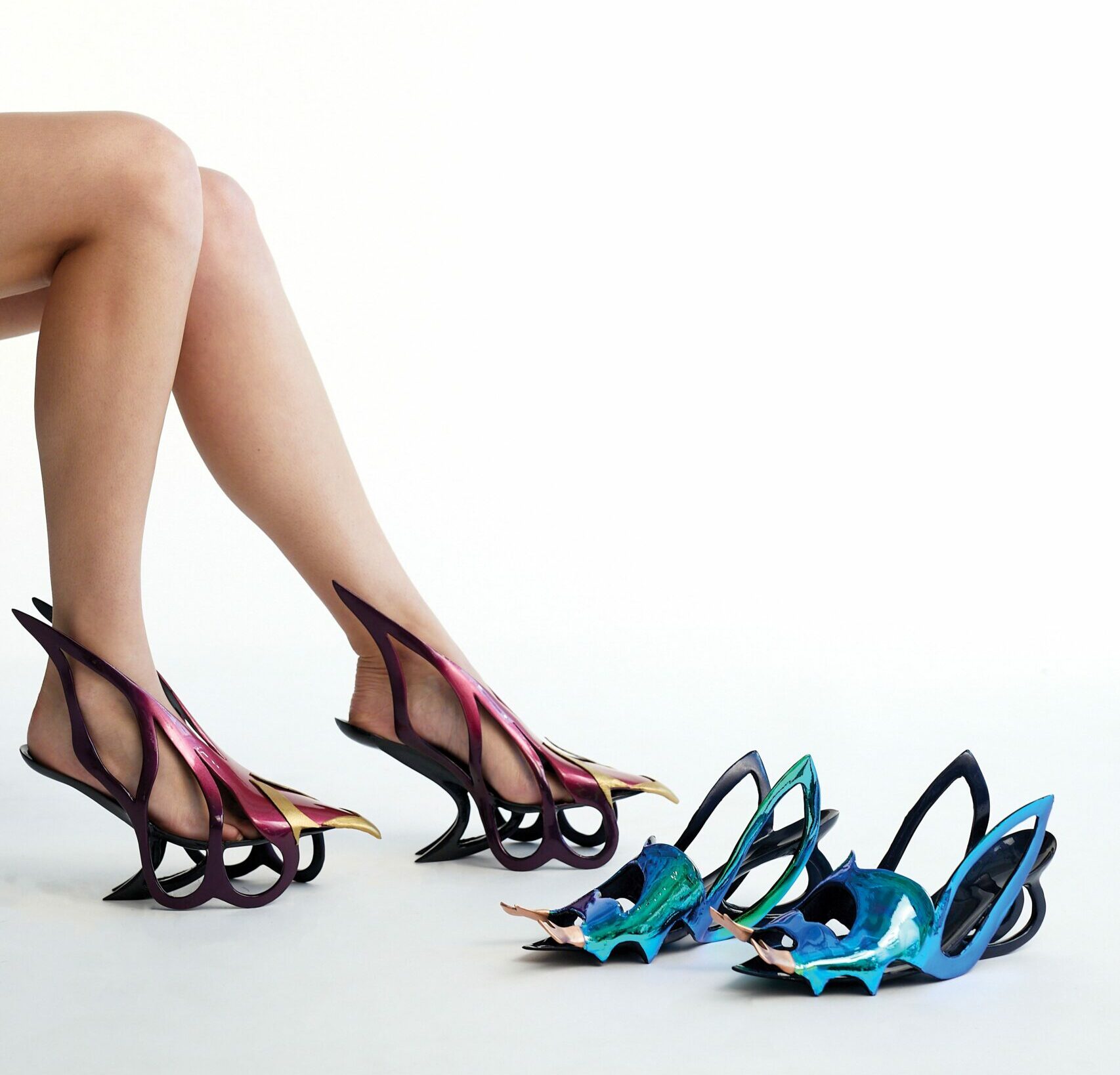
Winning Project: metamorphosis, During her recovery from a serious car accident that left her disabled both physically and mentally, she became obsessed with the concept of freedom, because she felt deprived of any remnants of it and found herself drawn to the metamorphosis of insects. She created three pairs of shoes, custom-made for her foot measurements using 3d printing and handcrafting techniques.
How did you choose Bezalel Academy Of Art And Design?
I was looking for a program that could teach me about as many aspects of design and art as possible. And the jewelry and fashion departments gave me just that, with the program starting as multi-disciplinary. I had the time to learn which aspects of the program suited me best and chose to continue my studies focusing on shoe design.
How did the design come to have such an important role in your life?
At about 12 years old I started to create fantasy costumes. I did that for about 10 years and decided to be a costume designer for theatre and movies. When I started my studies I came to learn the workings of shoe design and fell in love with the craft.
What is your inspiration behind metamorphosis?
In 2021 I was involved in a serious car crash. Suddenly I was disabled, had to learn how to walk again, and had to build myself back up. I felt like a butterfly and felt that my shell, my body, had more to offer than I could bring at that moment, so in the next months as I recovered, I had to learn how to utilize my body all over again. Same as I imagine a freshly hatched butterfly had to do when it left its
chrysalis.
Can you explain your general design process? How do you start a new project?
In this project, I started with how I felt. I started to look for inspiration around me that sparked that feeling and landed on insects and then studied the process that the insects go through and different kinds of them until I landed on the right shapes that I wanted to create with that inspiration.
What does winning the Global Footwear Awards mean to you?
I’m very honored to be selected, every recognition of my art and hard work brings me so much joy.
Are you currently working on something new that you can tell us about?
I’m currently learning how to crochet, with the idea of getting to know a new craft and maybe merging it to my shoe designs.
Discover our GFA 2023 Winners HERE